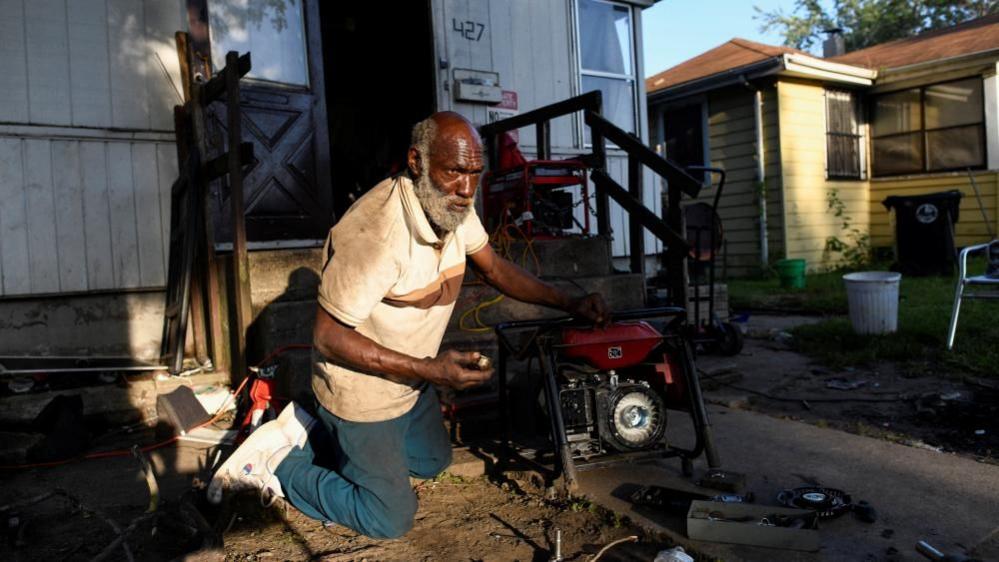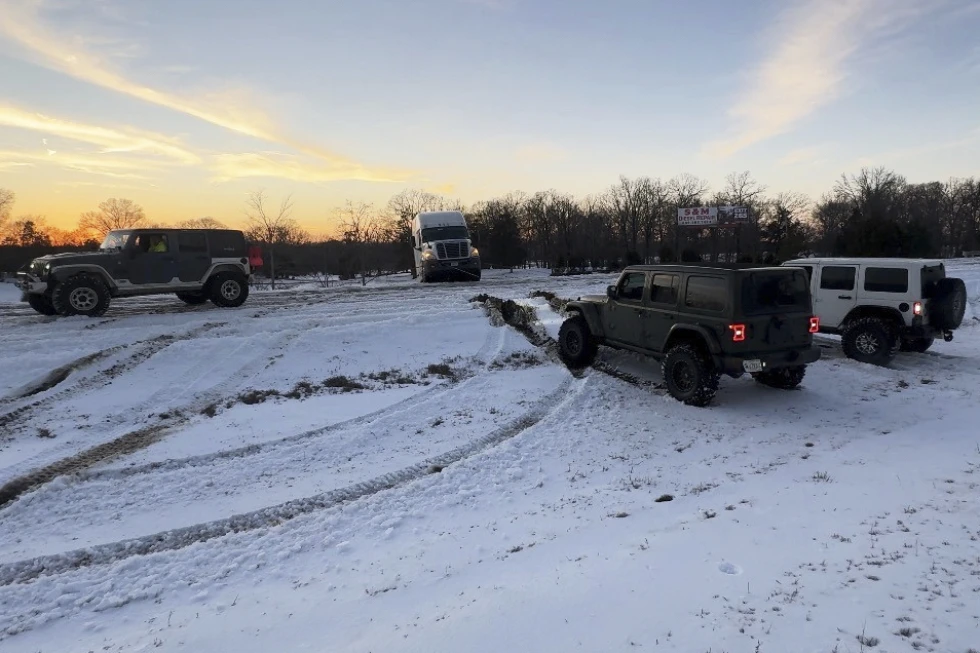
BElZONI, Miss. — As a harsh cold front continues to envelop the U.S. South, officials warn that the risks associated with prolonged exposure to subfreezing temperatures are escalating. With many individuals in Mississippi and Tennessee trapped at home for nearly a week without power, the threat of hypothermia is particularly acute.
Dr. Hans House, an emergency medicine professor at the University of Iowa, stated that the prolonged exposure to cold poses significant health risks. This has been confirmed by Dr. Zheng Ben Ma, medical director at the University of Washington Medical Center, who noted that those most vulnerable, including the elderly and those with health conditions, can begin experiencing symptoms of hypothermia within hours.
As of Friday, more than 79,000 homes and businesses remain without electricity, and officials underscore the urgency of restoring power in the wake of a massive winter storm that blanketed the region in ice and snow. Approximately half of the reported 85 deaths from the cold snap occurred in Tennessee, Mississippi, and Louisiana, with fatalities attributed to both hypothermia and carbon monoxide poisoning from improper heating methods.
The National Guard has stepped in to assist, providing meals, blankets, and other crucial supplies to stranded citizens across affected areas. While Nashville’s mayor notes progress in mobilizing utility crews, the timeline for full restoration remains uncertain, especially in rural areas.
Meteorologists are predicting that subfreezing temperatures will continue into February, with forecasts suggesting heavy snowfall could impact parts of the Carolinas and surrounding regions over the weekend. As the situation evolves, community warming centers are being opened to provide refuge for those in need. Officials continue to stress safety and preparedness as the weather poses ongoing threats to health and well-being.
Dr. Hans House, an emergency medicine professor at the University of Iowa, stated that the prolonged exposure to cold poses significant health risks. This has been confirmed by Dr. Zheng Ben Ma, medical director at the University of Washington Medical Center, who noted that those most vulnerable, including the elderly and those with health conditions, can begin experiencing symptoms of hypothermia within hours.
As of Friday, more than 79,000 homes and businesses remain without electricity, and officials underscore the urgency of restoring power in the wake of a massive winter storm that blanketed the region in ice and snow. Approximately half of the reported 85 deaths from the cold snap occurred in Tennessee, Mississippi, and Louisiana, with fatalities attributed to both hypothermia and carbon monoxide poisoning from improper heating methods.
The National Guard has stepped in to assist, providing meals, blankets, and other crucial supplies to stranded citizens across affected areas. While Nashville’s mayor notes progress in mobilizing utility crews, the timeline for full restoration remains uncertain, especially in rural areas.
Meteorologists are predicting that subfreezing temperatures will continue into February, with forecasts suggesting heavy snowfall could impact parts of the Carolinas and surrounding regions over the weekend. As the situation evolves, community warming centers are being opened to provide refuge for those in need. Officials continue to stress safety and preparedness as the weather poses ongoing threats to health and well-being.