MEMPHIS, Tenn. — A significant winter storm, referred to as a bomb cyclone, has plunged a large portion of the United States into an extraordinary cold snap, with temperatures well below freezing from the Gulf Coast all the way to New England. The severe weather led to over 2,800 flight cancellations over the weekend and left many states grappling with icy conditions and power outages.
Forecasters have warned that approximately 150 million people are under cold weather advisories and extreme cold warnings. In the southern U.S., particularly in Florida, temperatures dropped to the coldest levels seen since 1989, with icicles forming on fruit crops such as strawberries and oranges due to the unusual cold.
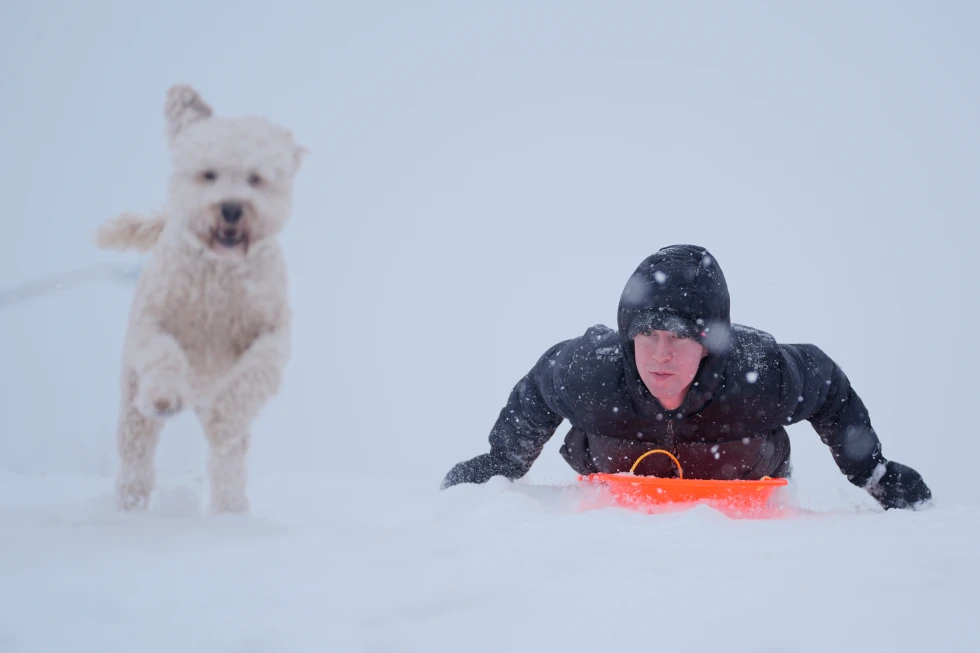
Heavy snowfall has been reported across the Carolinas, particularly around North Carolina's largest city, Charlotte, which experienced nearly a foot of snow — one of the highest snowfalls in the area historically. Flight cancellations at Charlotte Douglas International Airport were particularly high, with hundreds of delayed or cancelled flights causing chaos for travelers.
In addition, the storm has resulted in over 1,000 traffic collisions in North Carolina and at least two reported fatalities. Residents have expressed concerns over the conditions, with many opting to avoid driving altogether. "It's thick enough that I would not feel comfortable driving with our family," said Lee Harrison, a local resident.
As of now, utilities are actively working to restore power to those affected by the outages, which number in the tens of thousands across Tennessee, Mississippi, and Florida. State officials are on alert, as continued cold weather may exacerbate the challenges faced by utility providers.
Looking ahead, weather experts are forecasting ongoing cold temperatures and the possibility of light snow in the upcoming days, affecting areas from the Ohio Valley to parts of the Mid-Atlantic. As communities continue to dig out from the extensive snow, officials remain vigilant in monitoring the situation.