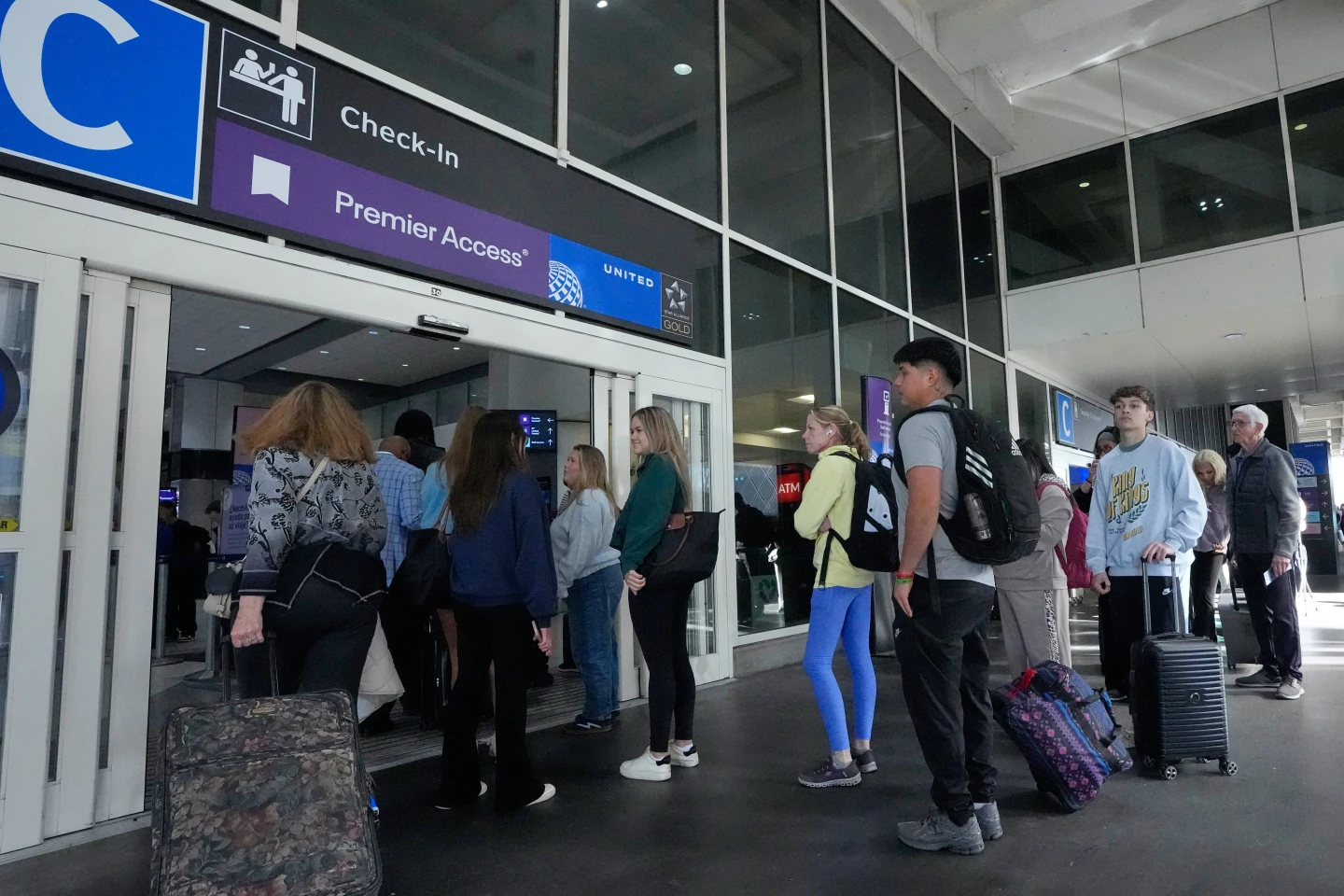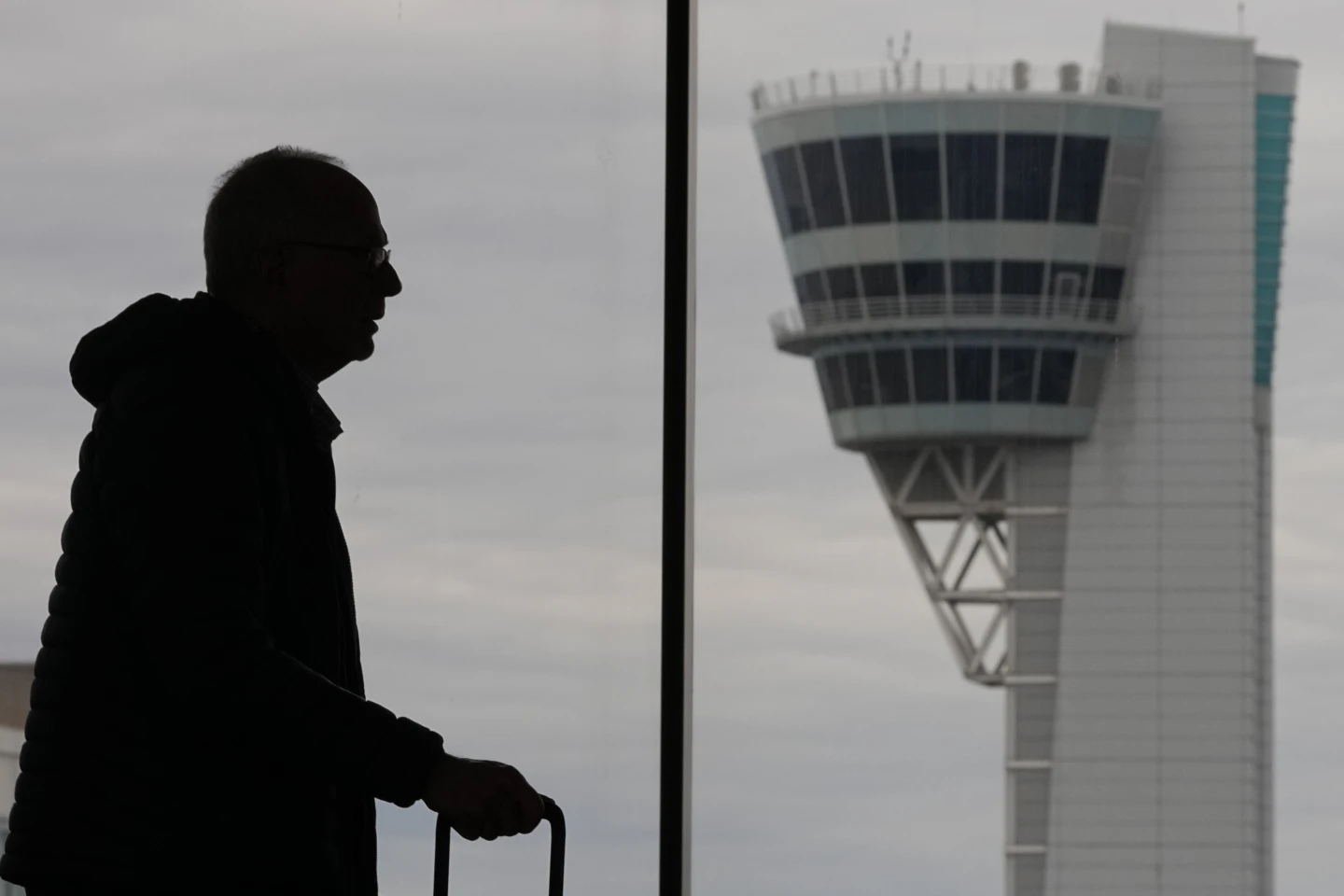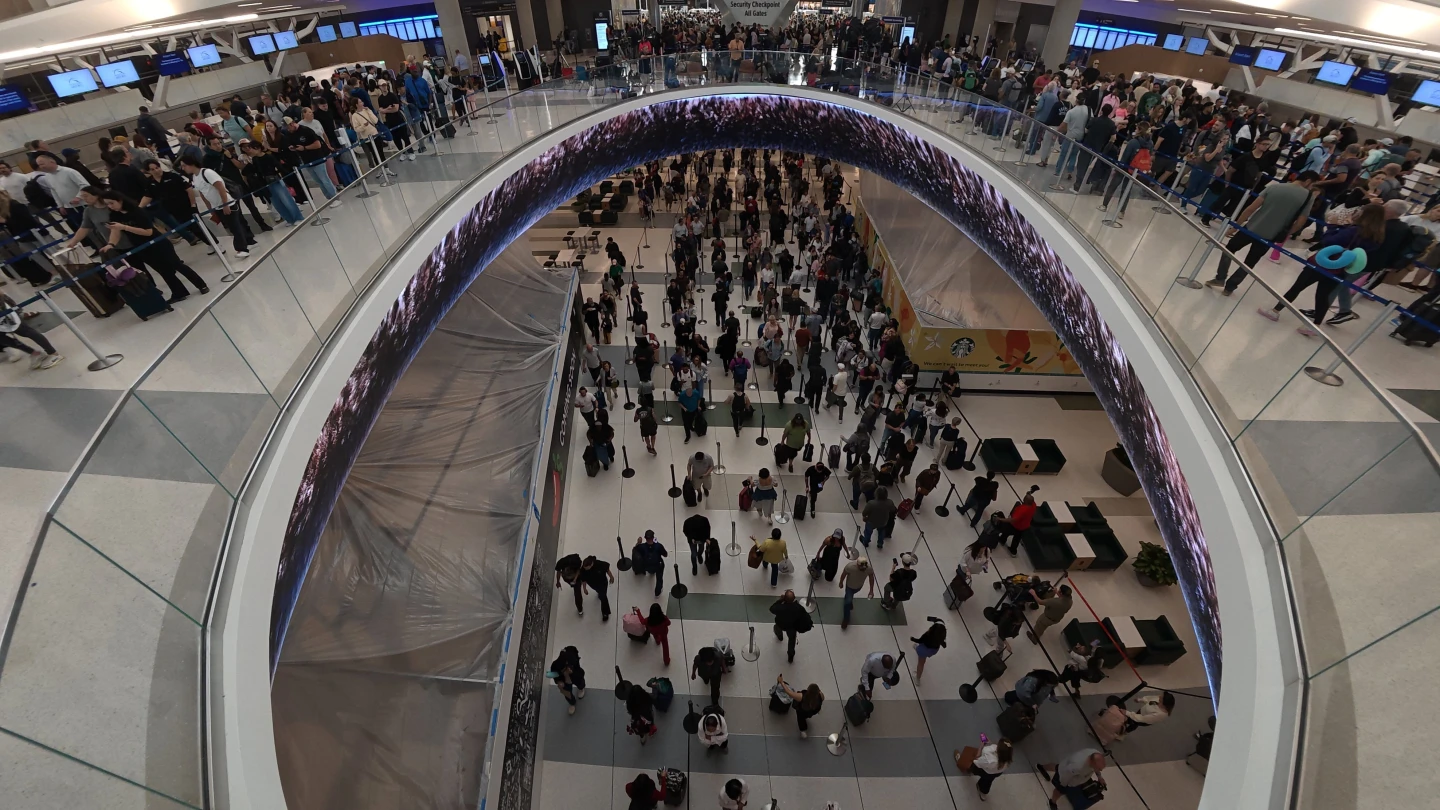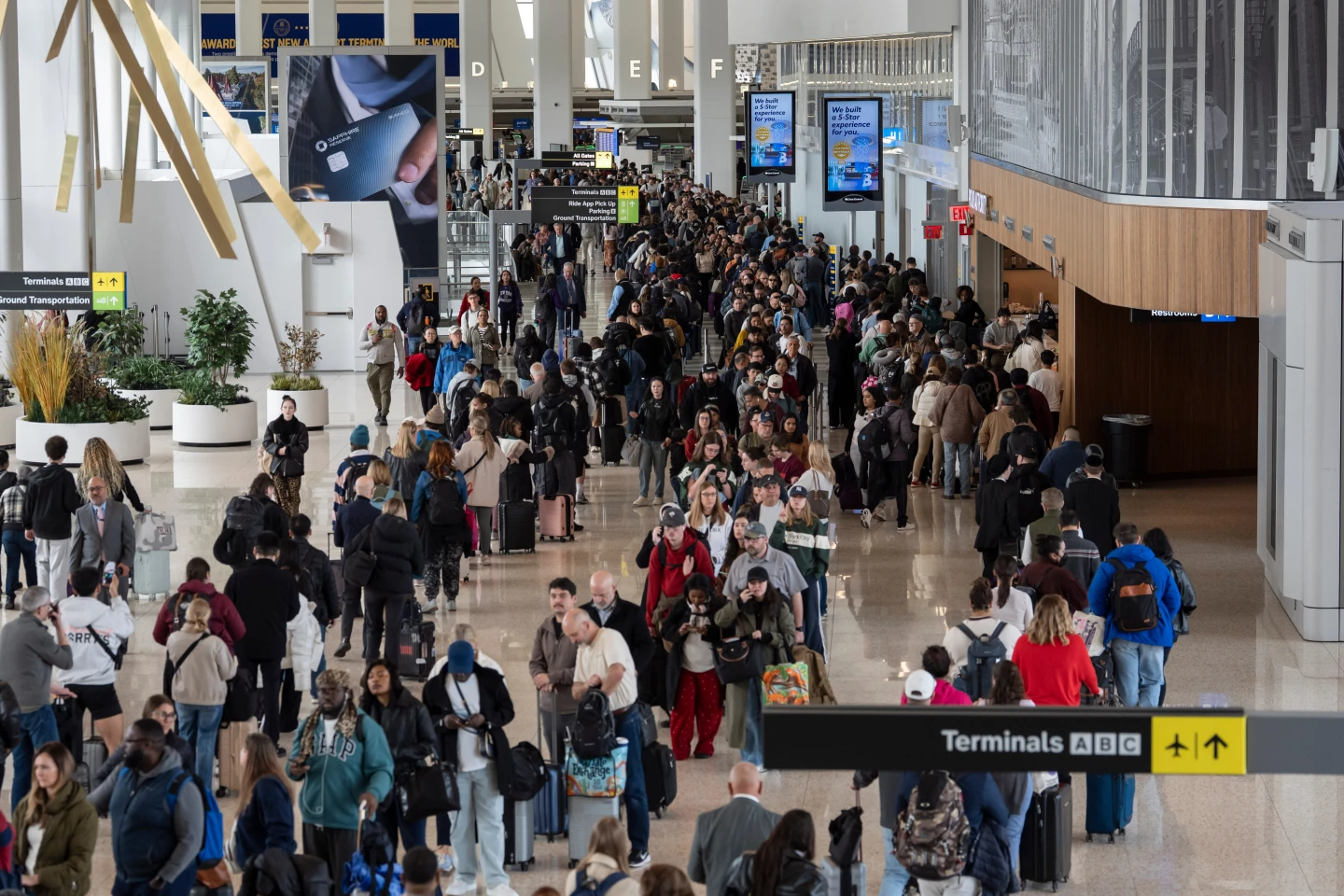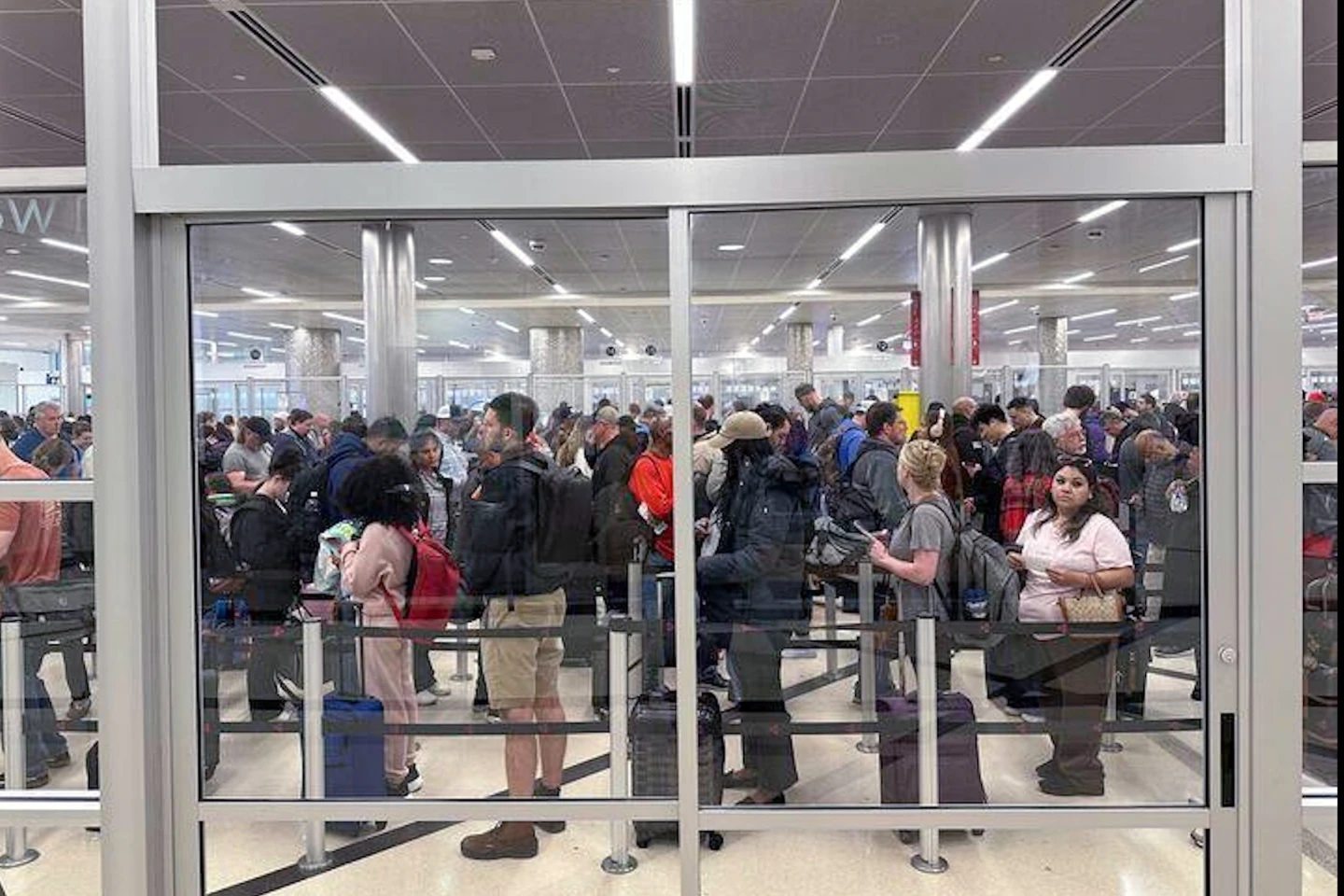
NASHVILLE, Tenn. — A massive winter storm made for a brutal travel day on Sunday, with widespread cancellations and delays at major airports throughout the United States.
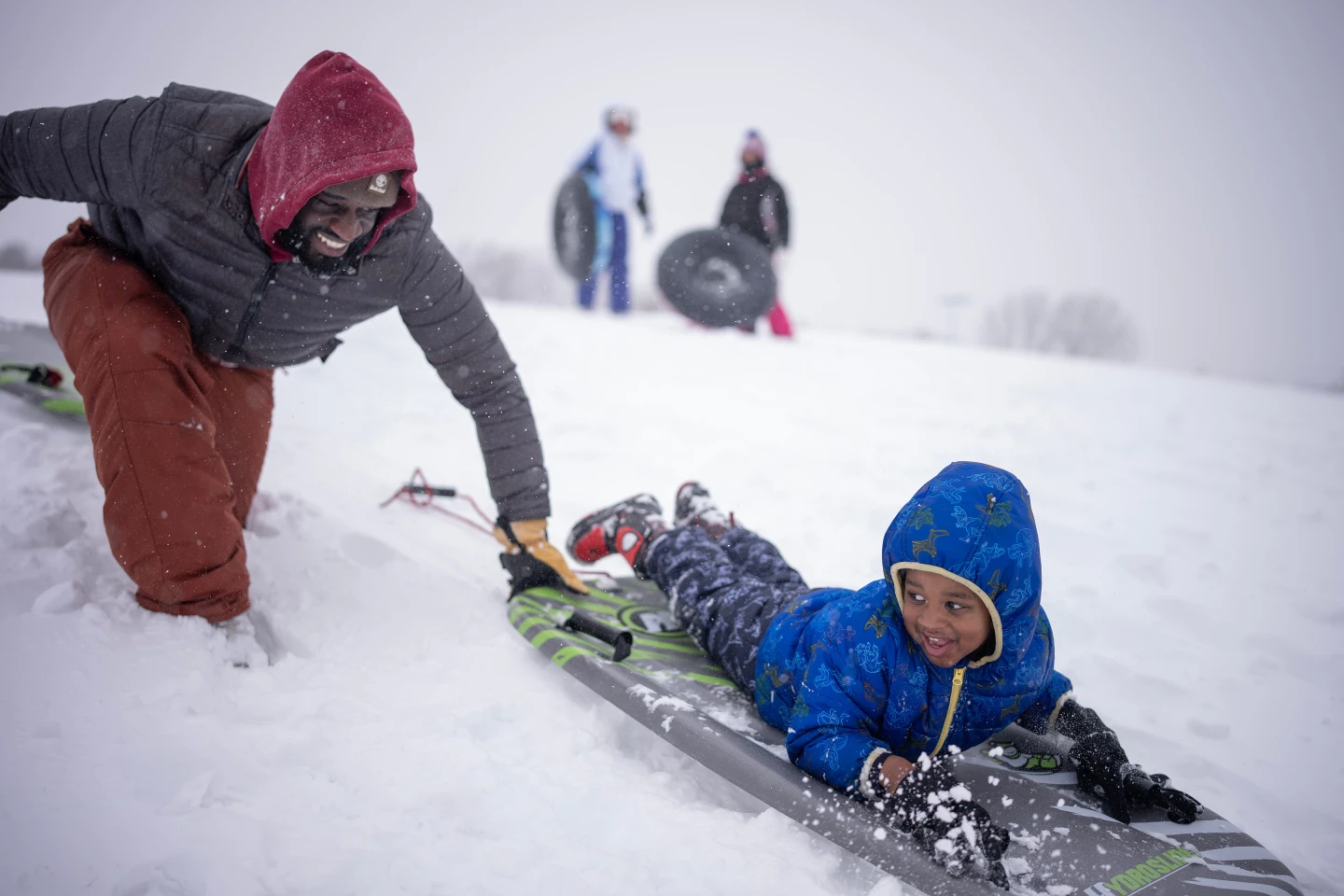
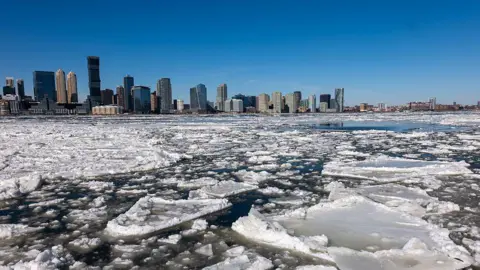
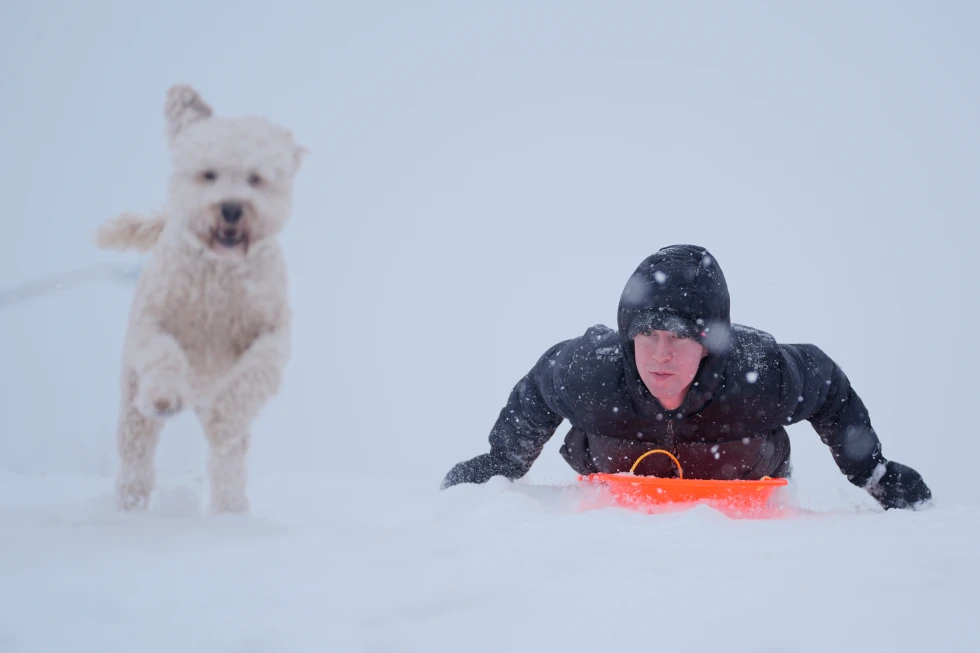
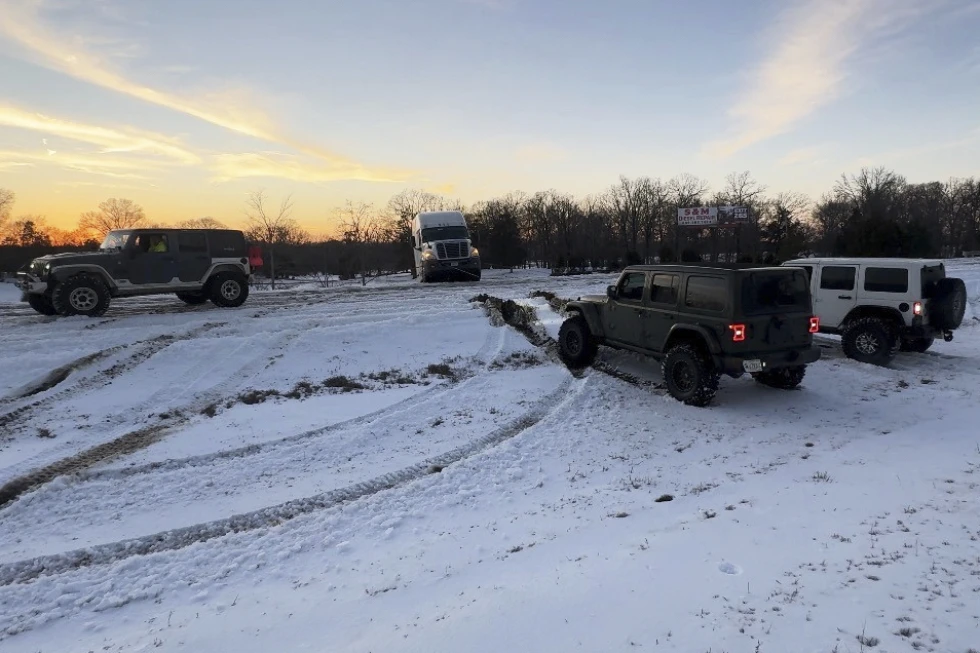
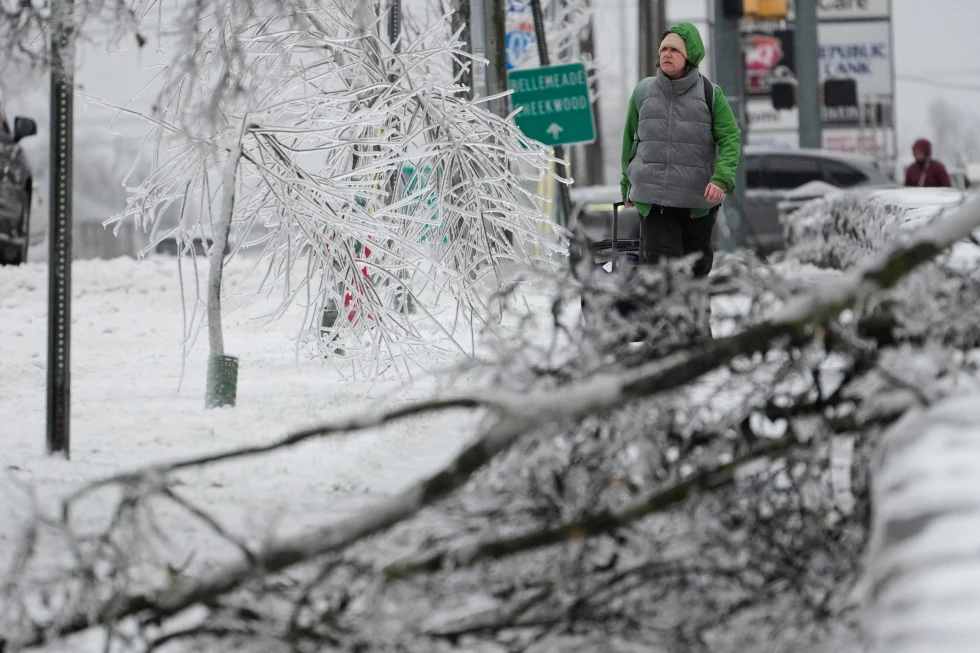
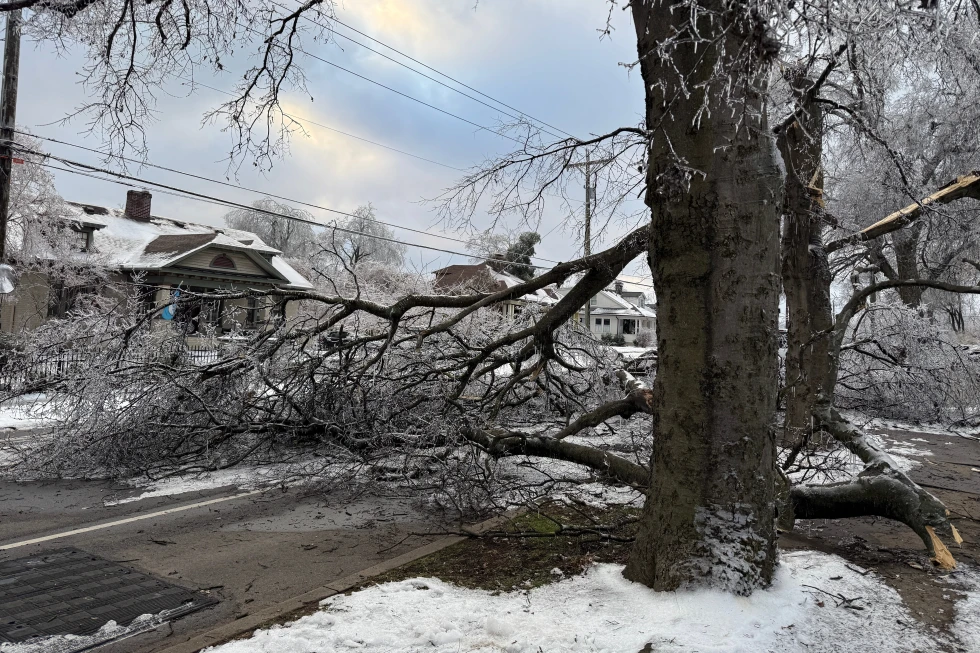
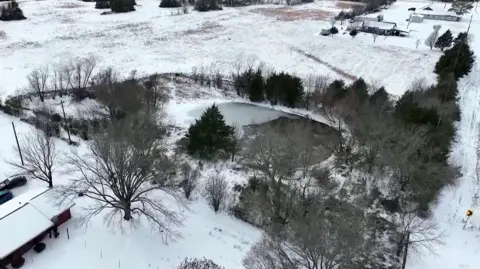
This storm threatened nearly 180 million people, approximately half of the U.S. population, according to the National Weather Service. The storm progressed from the southern Rocky Mountains through the South and up to New England, dumping 1 to 2 feet (30 to 60 centimeters) of snow from Washington to New York and Boston.
Flight cancellations soared as the storm peaked, with over 11,400 flights canceled on Sunday, marking it as the highest cancellation event since the pandemic began, based on data from FlightAware. Airports in the Northeast faced severe disruptions, with LaGuardia Airport shutting down flights for the afternoon.
In Philadelphia, about 94% of flights were canceled, while LaGuardia saw around 91% cancellations, totaling 436 flights. John F. Kennedy International Airport recorded 466 canceled flights, impacting about 80% of all scheduled flights.
Ronald Reagan Washington National Airport reported that all departing flights had been canceled, amounting to around 421 flights. Significant impacts were also felt at major hubs including Dallas-Fort Worth, Charlotte, and Atlanta, the country’s busiest airport.
Many travelers, like Allan Lengel from Detroit, had to adjust their plans due to the severe weather. Delta reportedly suggested he change his reservation, which he took as an opportunity to extend his stay in warmer Florida.
American Airlines reported more than 1,790 cancellations for Sunday alone, representing 55% of its scheduled flights. Delta Air Lines canceled approximately 1,470 flights, while Southwest Airlines saw about 1,340 cancellations.
As recovery from the storm's effects will take several days, it leaves many travelers stuck in a lurch, facing cascading delays and potential rebookings. According to Vikrant Vaze, a professor specializing in commercial aviation logistics, the structure of each airline's network will significantly influence how quickly they can bounce back.
Travelers stranded due to flight cancellations are advised to seek help from customer service representatives immediately, either in-person or online. Airlines are generally expected to rebook travelers for later flights without extra charge depending on seat availability.
In cases of cancellations, travelers are legally entitled to full refunds, regardless of the ticket's refund policy, including additional fees for services not rendered due to the flight's cancellation. Many are likely to be offered travel credits, but legal rights for refunds take precedence.
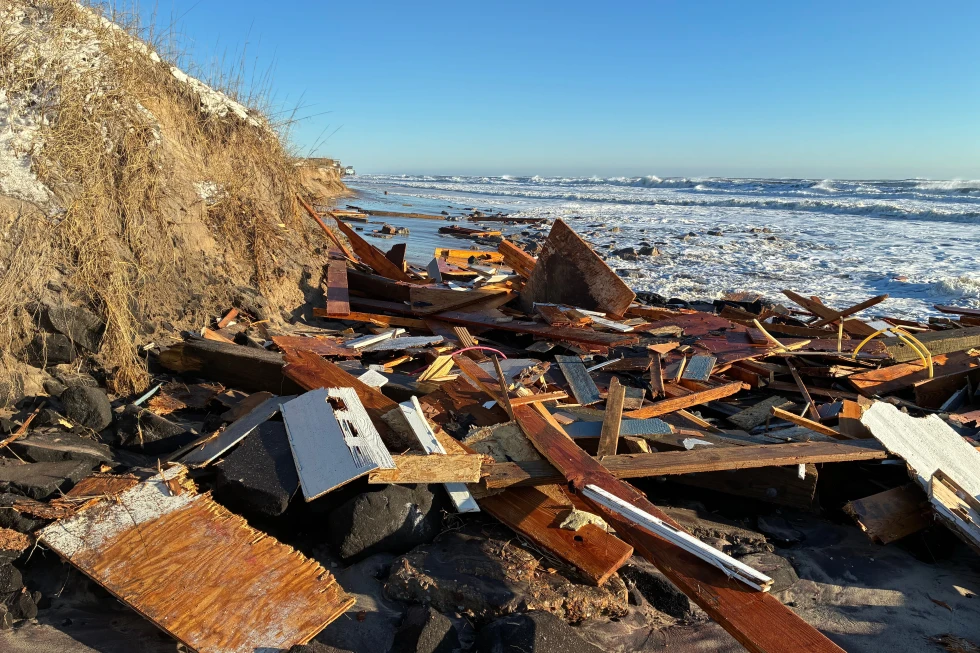
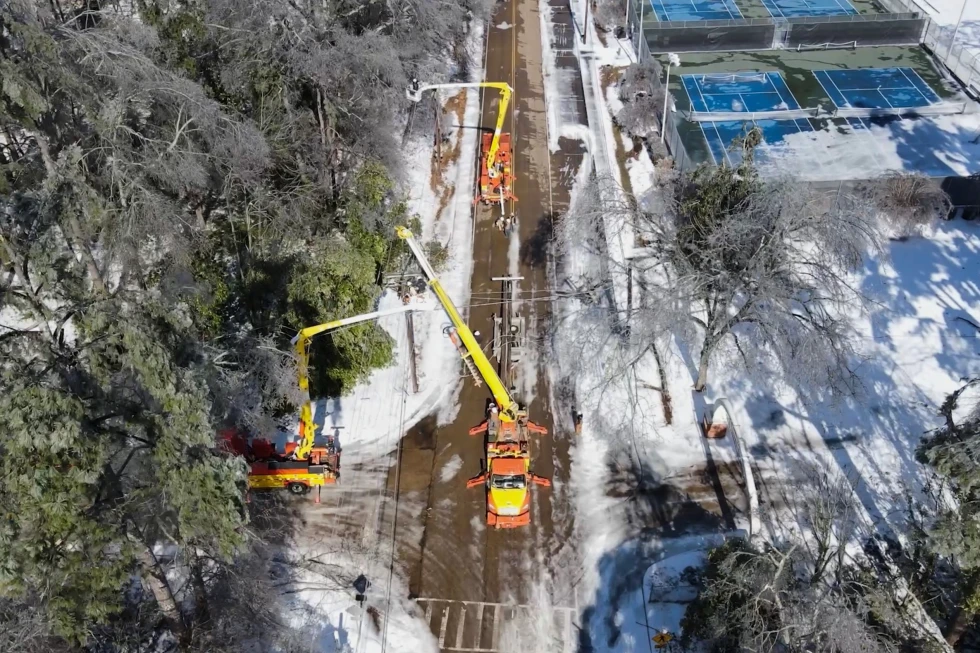
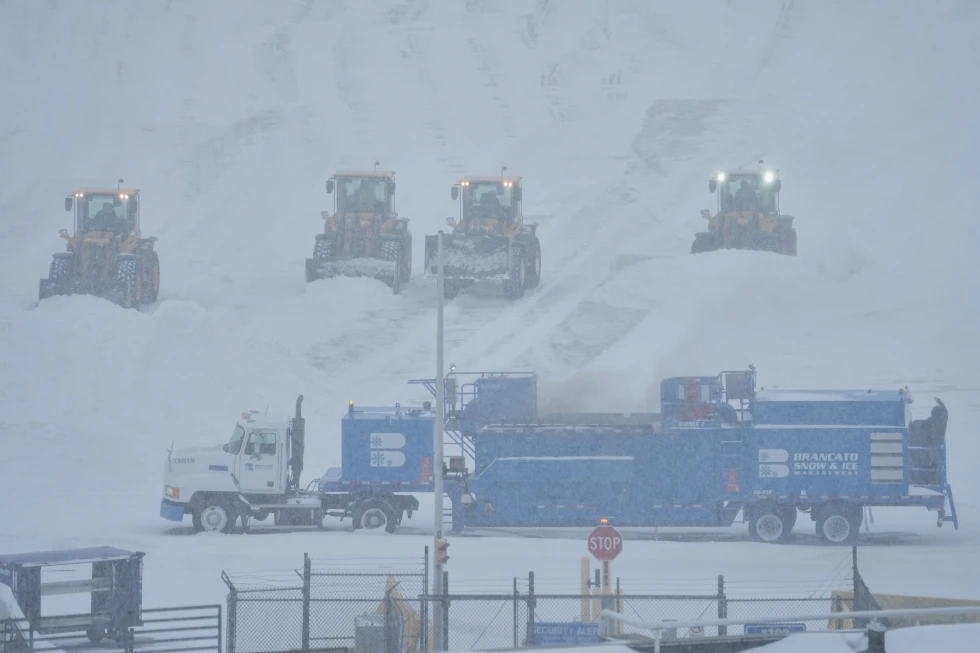
As the storm moves on, crews are working tirelessly to clear the roadways and restore normalcy. The disruption underscores the fragility of travel in extreme weather conditions, especially as climate change continues to contribute to more severe winter storms.