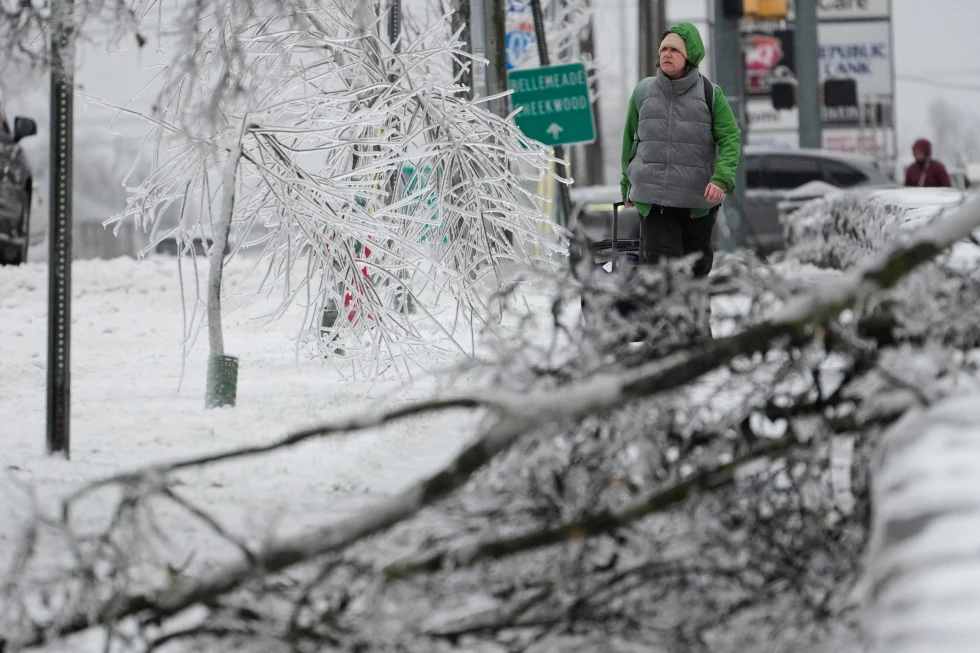
The Federal Emergency Management Agency (FEMA) is expected to have enough resources to manage the impact of the massive winter storm that continues to affect large areas of the U.S., despite concerns over a potential government shutdown.
According to experts and former officials, FEMA is estimated to hold between $7 billion and $8 billion in its Disaster Relief Fund, which would remain available even if the funds appropriated by Congress during the longest government shutdown were to expire. Sarah Labowitz, a senior fellow at the Carnegie Endowment for International Peace, confirmed that this amount should adequately cover recovery efforts in the short term.
Despite the reassurance, officials from the Trump administration have been highlighting the storm as a reason to prevent a shutdown, reinforcing the critical role FEMA plays in disaster responses.
FEMA, which functions under the Department of Homeland Security, is actively supporting state-led responses to the ongoing winter storm. Recent evaluations indicated that this storm has resulted in widespread power outages and sadly, multiple fatalities. Emergency declarations from President Trump for 12 states have facilitated access to federal resources, enabling crucial emergency measures.
As states evaluate the damages from the storm—potentially qualifying for major disaster declarations—FEMA's ability to manage new crises may become strained if funding issues arise again, particularly as there are delays in reimbursements and approvals stemming from the administration's policies.
The urgency of the situation has drawn attention to ongoing funding challenges at FEMA, exacerbated by an environment of political turmoil surrounding the agency. With departments like the Department of Homeland Security needing legislative approval for continued funding, state responses may continue to rely heavily on FEMA until the situation stabilizes.
Experts caution that while FEMA’s current funding may support immediate recovery efforts, an extended government shutdown could hinder ongoing operations, particularly affecting the agency's capacity to respond to new disasters effectively. The outcome of current legislative negotiations will significantly impact FEMA's future operations and disaster preparedness readiness.