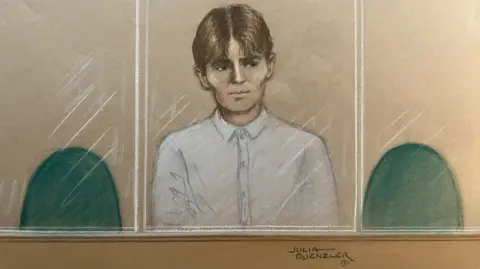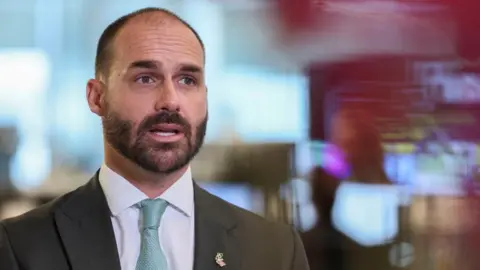
Don Lemon, the former CNN host, has made headlines once again after being arrested for his involvement in filming anti-immigration enforcement protesters at a church in Minnesota. The event took place on January 18 when Lemon accompanied demonstrators who were there to confront a pastor believed to be an immigration enforcement official.
Upon his arrest, Lemon was charged with 'conspiracy to deprive rights' and violating the Freedom of Access to Clinic Entrances and Places of Religious Worship (FACE) Act. This law, while often associated with abortion access, also prohibits obstructing access to houses of worship. Following a brief judicial appearance, where he did not plead, he was released from custody, declaring, 'I will not be silenced.'
Lemon criticized what he described as an attack on the First Amendment rights of the press. His attorney stated that they intend to fight the charges vigorously, emphasizing that Lemon's actions stemmed from his commitment to journalism and the ethical imperative of holding power accountable.
The altercation at the church was marked by heightened tensions as protesters clashed with congregants, leading to widespread media coverage and discussions surrounding the rights of the press in the current socio-political climate.
In a broader context, Lemon's arrest has raised alarm bells among advocates for free speech, reflecting ongoing confrontations between journalists and government authorities. This incident follows a similar case where federal agents arrested a Washington Post reporter under questionable circumstances, further intensifying concerns over press freedoms in the United States.
As protests continue in Minnesota over federal immigration actions, the implications of Lemon's arrest are sure to resonate within the media landscape and beyond.
Upon his arrest, Lemon was charged with 'conspiracy to deprive rights' and violating the Freedom of Access to Clinic Entrances and Places of Religious Worship (FACE) Act. This law, while often associated with abortion access, also prohibits obstructing access to houses of worship. Following a brief judicial appearance, where he did not plead, he was released from custody, declaring, 'I will not be silenced.'
Lemon criticized what he described as an attack on the First Amendment rights of the press. His attorney stated that they intend to fight the charges vigorously, emphasizing that Lemon's actions stemmed from his commitment to journalism and the ethical imperative of holding power accountable.
The altercation at the church was marked by heightened tensions as protesters clashed with congregants, leading to widespread media coverage and discussions surrounding the rights of the press in the current socio-political climate.
In a broader context, Lemon's arrest has raised alarm bells among advocates for free speech, reflecting ongoing confrontations between journalists and government authorities. This incident follows a similar case where federal agents arrested a Washington Post reporter under questionable circumstances, further intensifying concerns over press freedoms in the United States.
As protests continue in Minnesota over federal immigration actions, the implications of Lemon's arrest are sure to resonate within the media landscape and beyond.