This past weekend, a winter storm swept across the Northeast and parts of the South, prompting emergency responses as families sought refuge from dangerously cold conditions. In Nashville, Lisa Patterson and her husband found themselves without power and snowed in, requiring rescue to a warming shelter.
I've been snowed in before, but this was unprecedented, Patterson remarked as authorities worked to restore power to over half a million households facing the harsh winter conditions. As temperatures dropped, so did safety, leading to at least 30 reported deaths across affected states, including tragic accidents in Massachusetts, Ohio, Arkansas, and Texas.
The National Weather Service reported that up to 20 inches of snow fell in some areas, halting traffic and canceling flights, while major schools across the region closed their doors. With wind chills plunging as low as minus 25 degrees Fahrenheit, a warning from Kentucky's governor highlighted the immediate danger, advising against prolonged outdoor exposure.
Furthermore, as communities still felt the effects of this storm, experts warned that another weather system may soon impact parts of the East Coast.
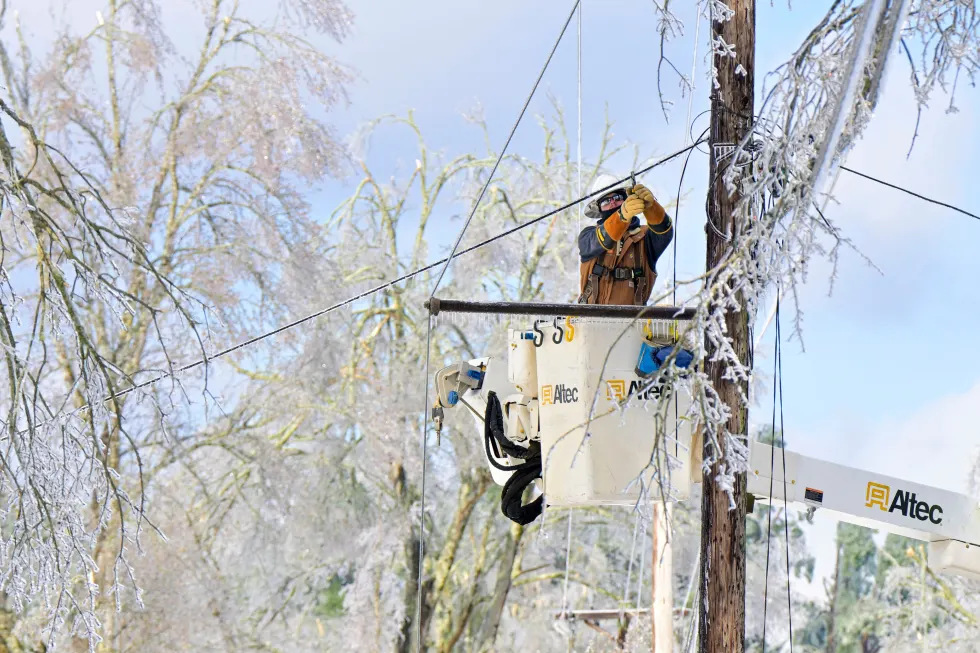
As of Monday night, reports indicated more than 550,000 residents remained without power, primarily in the South. Mississippi's governor announced significant damage and ongoing recovery efforts in the wake of the storm, underscoring the broader impacts of climate change as we see harsher and more unpredictable weather patterns.
Northeast and South Hit Hard by Severe Winter Storm
Northeast and South Hit Hard by Severe Winter Storm
An unprecedented winter storm affects homes in the South and Northeast, resulting in power outages and severe cold conditions.
This weekend's winter storm has caused substantial disruption across the Northeast and parts of the South. With some regions experiencing over a foot of snow, thousands are grappling with power outages and extremely low temperatures. Tragically, numerous fatalities have been reported, as communities evacuate to seek shelter. As more winter weather looms, residents face the stark reality of climate change's volatile patterns.