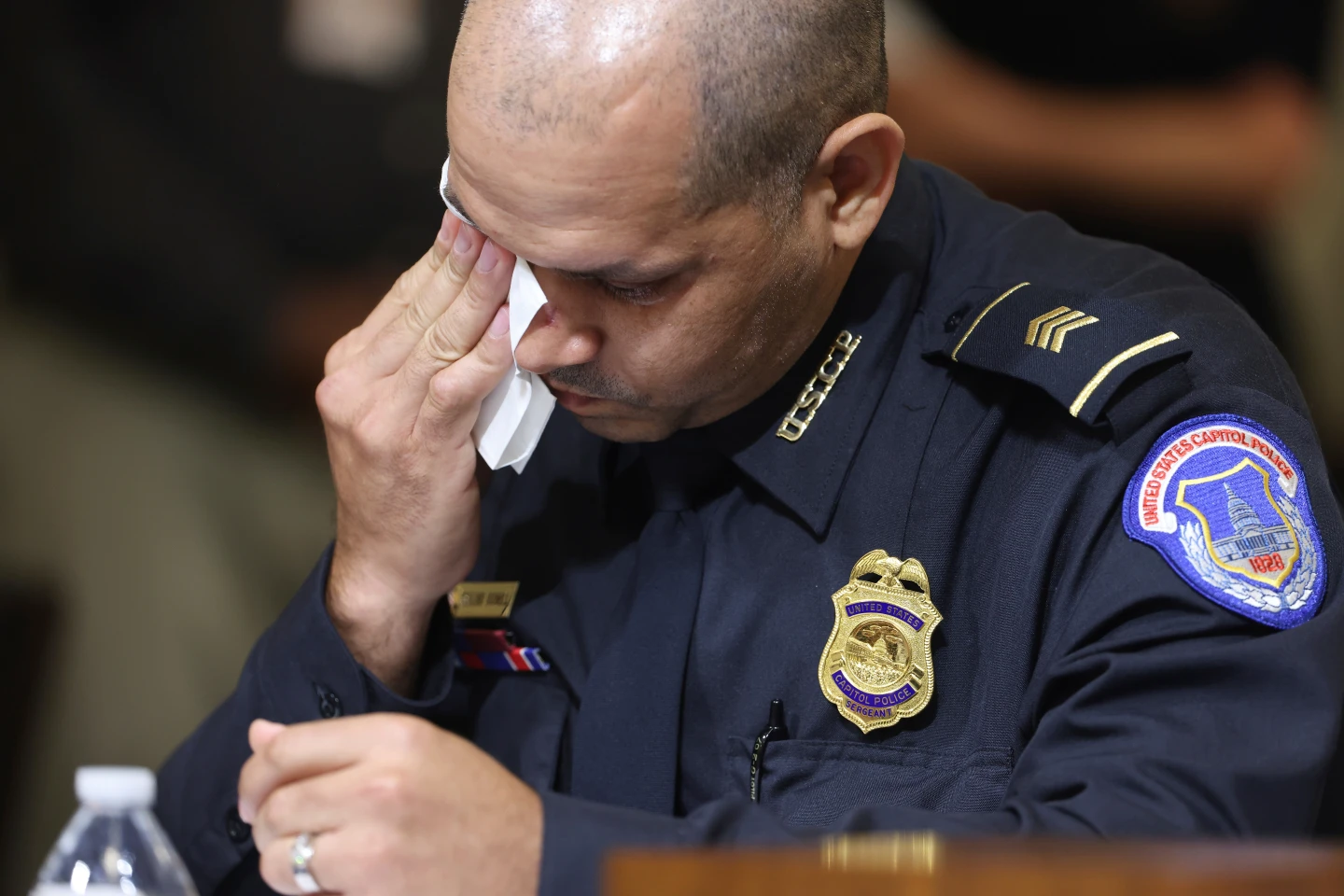
Five years have passed since the January 6, 2021 siege on the Capitol, and officers like Aquilino Gonell and Daniel Hodges are still navigating the psychological scars left behind. On January 20, 2025, following Donald Trump’s second inauguration, Gonell felt his past traumas intensify when he learned that Trump had pardoned approximately 1,500 individuals involved in the attack. These included opportunists who had violently confronted him and his fellow officers during one of the darkest days in American history.
“They told me that people I testified against were being released from prison,” Gonell recounted, highlighting the tumultuous emotional fallout from the pardons. Like many officers injured that day, he was left grappling with both physical injuries and the psychological impact of feeling his sacrifices were unrecognized and undervalued.
Gonell faced harrowing experiences as he defended the Capitol alongside other officers, struggling against an aggressive mob spurred on by false narratives surrounding the 2020 election. Their trials did not cease with the end of the siege; many reported persistent physical ailments and mental health challenges, such as PTSD.
“They’ve attempted to erase what I endured that day,” Gonell said, reflecting on how political narratives have downplayed the severity of the violence faced by law enforcement on January 6. The officer has since become an unwilling symbol of resilience and a voice advocating for recognition of the trauma endured by those protecting the Capitol.
Meanwhile, responsibility lays heavy on the shoulders of the Capitol Police and their leaders. Former Chief Thomas Manger, who took office after the siege, emphasized the importance of implementing wellness services for officers struggling to cope. “We needed to make sure that they got the help that they needed,” he stated, recognizing the psychological toll the events had on the officers involved.
After experiencing significant backlash and support for his testimony about the events of January 6, Hodges explained, “It’s been a difficult year,” illustrating a widening chasm between the experience of police officers and public perception of the day's events. He noted how some in public and political arenas choose to undermine or deny the rioters’ violence, further complicating the healing process for those on the front lines.
As officers vocalize their narratives regarding that day, they confront not only their struggles but also the challenges of engaging with those who dismiss or belittle their experiences. Some people remain painfully unaware of the gravity of the violence, complicating the officers’ paths toward healing and understanding.
Despite these challenges, Gonell and other officers remain determined to share their stories, hoping to foster greater understanding and acknowledgment of the trauma they experienced during the Capitol siege. “The only thing I can do is tell my story,” said former police officer Adam Eveland, reflecting the resilience of those still impacted by that day.