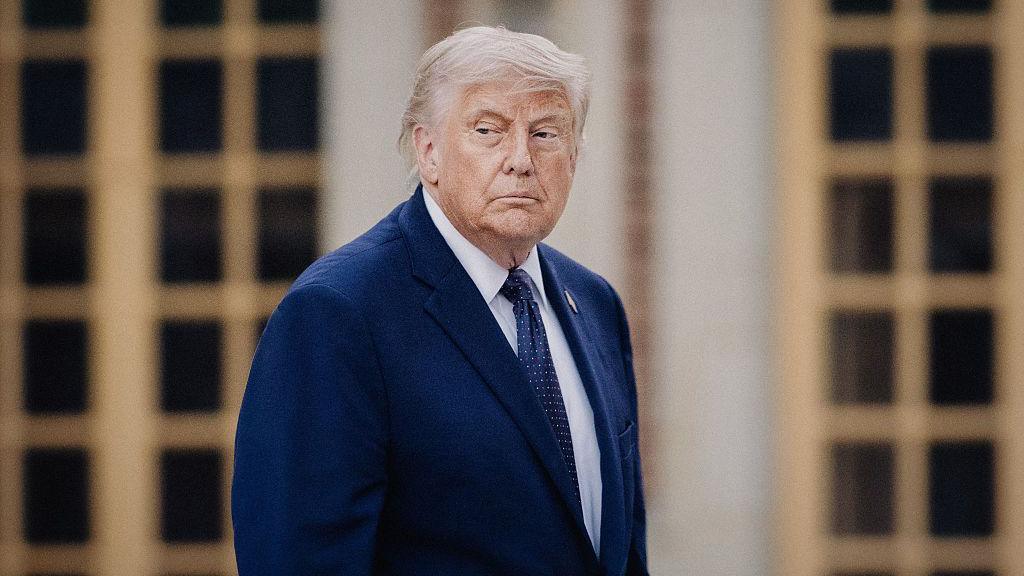
NEW YORK (Echosphere) — A cultural reckoning is unfolding in the United States as an array of prominent figures, spanning the realms of entertainment, business, and sports, express their outrage against President Donald Trump's immigration policies. What began as a partisan pushback has garnered national attention amidst escalating violence and growing discontent.
In a notable expression of dissent, legendary musician Bruce Springsteen released a poignant new track critiquing the actions of federal agents. Simultaneously, tech leader Sam Altman addressed his team's concerns regarding the aggressive measures enacted by Immigration and Customs Enforcement (ICE). Lifestyle guru Martha Stewart echoed these sentiments, highlighting the disturbing implications for personal safety under current enforcement.
As the midterm elections loom, supporters of Trump's hardline immigration strategy fear they may be losing grip on their political power. The president recently shuffled leadership in immigration enforcement in an apparent attempt to quell the growing backlash, but many question whether these changes will yield substantial results.
Amidst ongoing scrutiny, Trump dispatched officials to Minnesota where two citizens have died amidst heightened tensions. The sudden concern from corporate executives, including leaders from Target and Best Buy, further signifies a shift in public sentiment as they advocate for a de-escalation of the tense climate following the recent deaths.
This cultural upheaval is marked by voices from diverse sectors calling for change. Podcaster Joe Rogan posed critical questions about the methods employed by immigration agents, while many musicians, actors, and athletes have lent their support to the outpouring of dissent. Billie Eilish, Natalie Portman, and Elijah Wood are just a few celebrities outspoken against the escalating violence tied to the federal crackdown.
Although the future of Trump's immigration policy remains uncertain, the resonance of these voices against his administration signifies a potent cultural shift that could reshape the landscape of American politics and immigration discourse.