During this year’s awards season, artists are not just showcasing their talents but are also standing firm against the enforcement policies of U.S. Immigration and Customs Enforcement (ICE). As the Grammys unfolded, many took to the red carpet wearing protest pins, highlighting a growing cultural revolt against the administration’s aggressive deportation campaigns.
Leading up to the Grammys, activists worked diligently to encourage stars to sport these pins, which serve as a powerful symbol of resistance against ICE’s operations in various communities. Notably, public sentiment has shifted dramatically following alarming incidents that include the shooting of a nurse and the detention of a young boy, igniting outrage and calls for change.
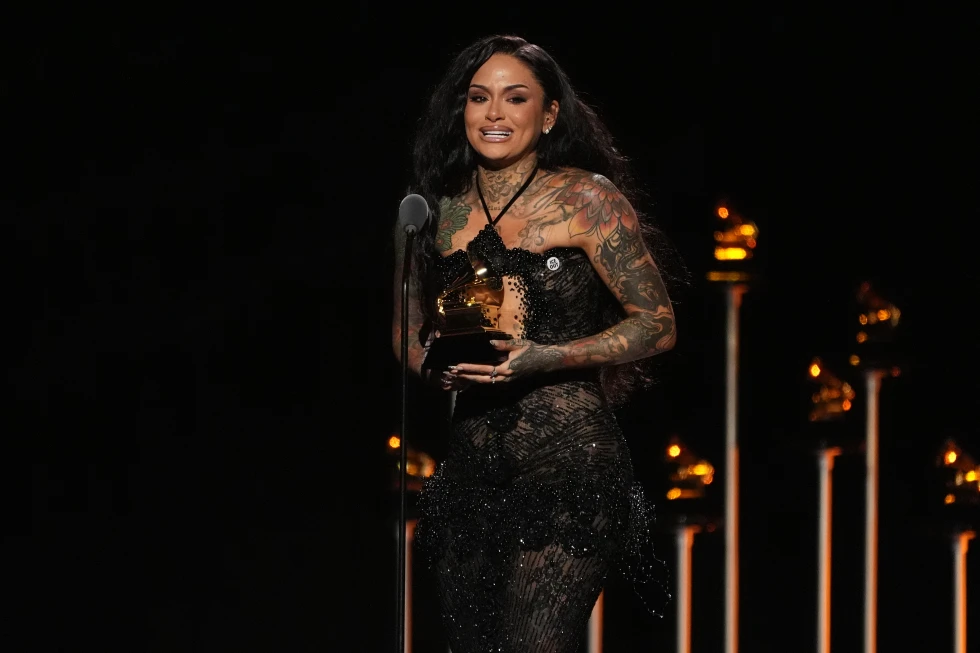
Artist Jason Isbell, along with others like Kehlani and Rhiannon Giddens, embraced their platforms, with Kehlani making headlines for her direct condemnation of ICE during her acceptance speech. Meanwhile, others, like Vernon from Bon Iver, used their attire to honor the legal observers documenting ICE activity, reiterating the importance of community and support during tumultuous times.
Throughout this movement, the challenge of political expression in the music industry remains prevalent. Industry pressures and fears of backlash often keep artists from voicing their opinions publicly. The ongoing issue of safety particularly resonates with many Latino artists, who may personally feel at risk from these policies.
As artist advocacy continues to gain traction, it’s clear that significant voices are determined to utilize their platforms to demand justice and community engagement, redefining what it means to celebrate art amidst crisis.