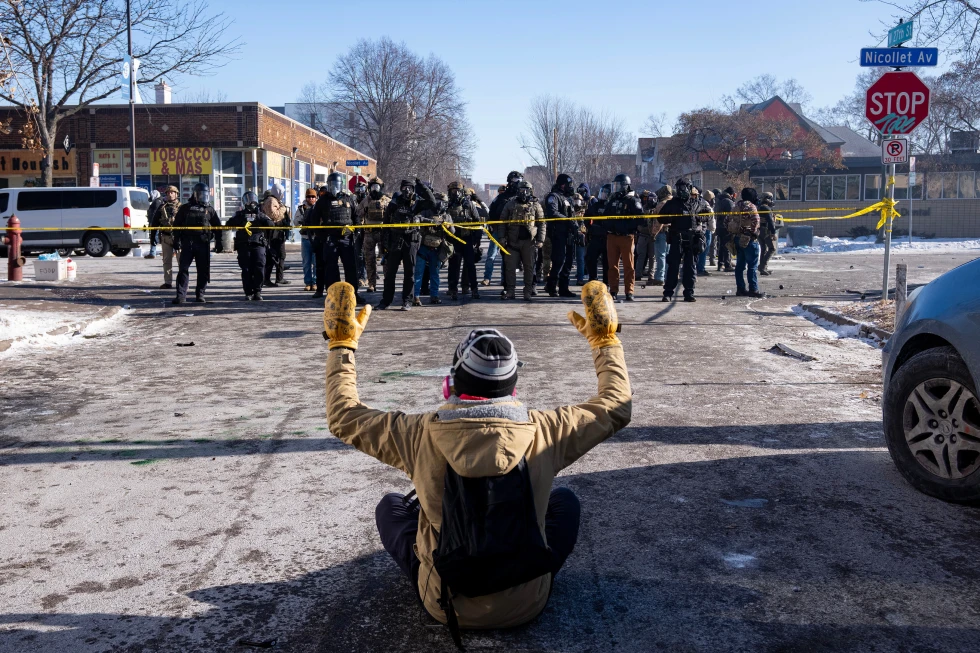
As unrest unfolds in Minneapolis, the Minnesota Star Tribune stands at the forefront of local journalism, demonstrating resilience and adaptability. Amid this challenging backdrop, the publication not only reports on significant events but sheds light on pressing community issues, transforming the narrative through investigative storytelling.
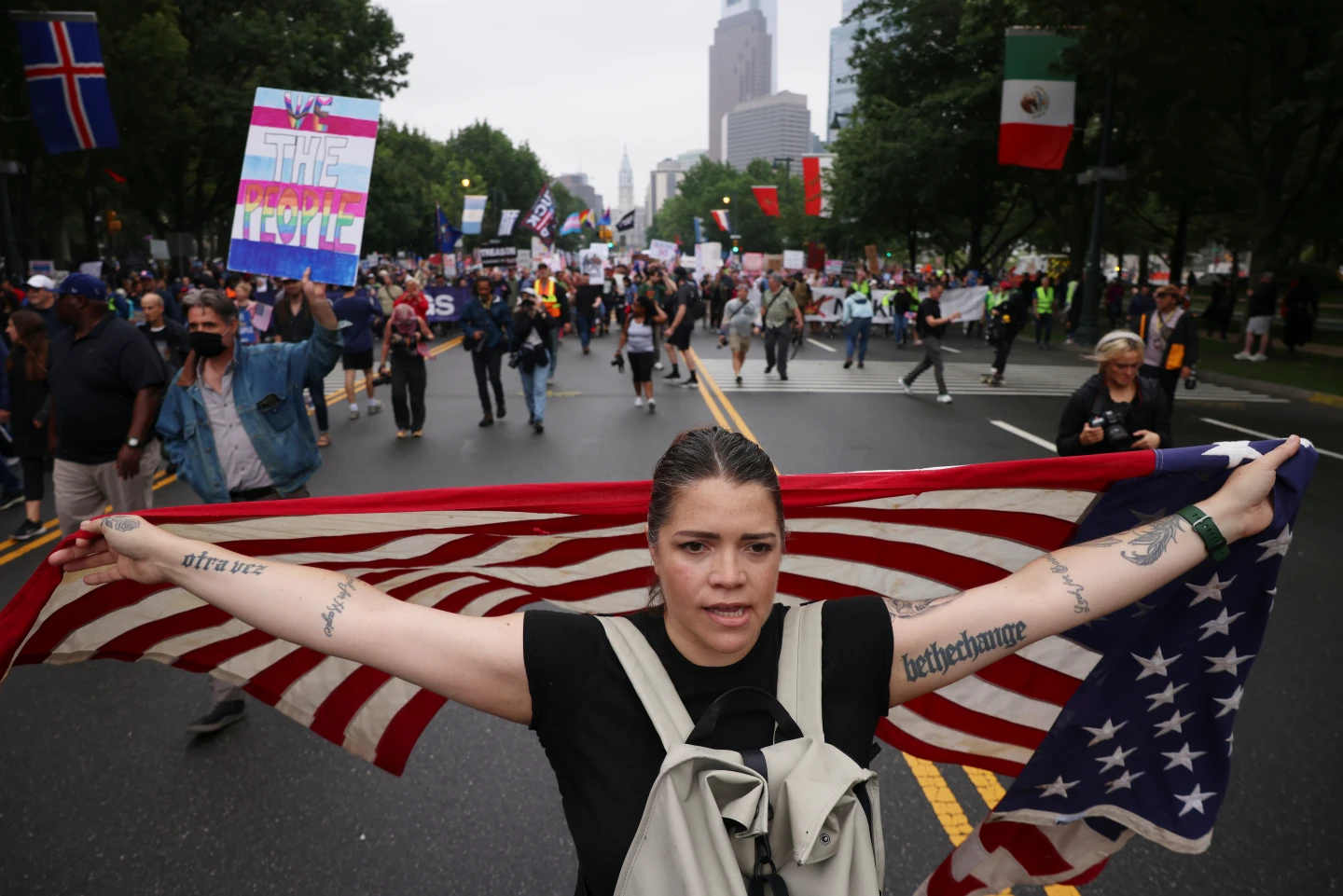
The Star Tribune has notably stepped up its coverage, breaking impactful stories related to immigration enforcement incidents. Key moments, such as Richard Tsong-Taatarii's poignant photograph capturing a protester in distress, illustrate the power of visual journalism in conveying the realities of the situation. In an era where many regional papers have seen better days, the Star Tribune has managed to retain a steady workforce under billionaire owner Glen Taylor, focusing on a digital evolution.
Steve Grove, the newspaper's publisher, emphasizes the importance of newsroom investment. If you hadn’t invested in the newsroom, you wouldn’t be able to react in that way, he remarked, highlighting the proactive approach that allows the Star Tribune to adapt swiftly to ongoing developments.
A Robust Journalistic Network
Minneapolis boasts a rich journalism tradition, with local outlets, including the Sahan Journal, stepping up to cover immigrant communities. Kathleen Hennessey, the Star Tribune's editor, speaks to the interconnectedness of local journalism, stating, The whole ecosystem is pretty darn good, and the community is taking notice.
Local reporters, familiar with both the neighborhoods and the intricacies of community dynamics, are playing pivotal roles. For instance, the Star Tribune’s own Josie Albertson-Grove provided firsthand insights after a tragic shooting occurred nearby, illustrating how proximity and local knowledge enhance reporting depth.
The Star Tribune's team is not just reporting; they are part of a community committed to activism and accountability. Connections developed over the years inform their coverage, allowing reporters to engage directly with constituents. The heightened urgency of the current events has transformed traditional roles, as journalists contribute from various angles, including culture and public safety.
Documenting Community Concerns
In a notable report, journalists Christopher Magan and Jeff Hargarten revealed critical details surrounding immigration enforcement in Minnesota, illustrating that the majority of those rounded up had previously faced legal consequences and were no longer a direct threat. Columnist Laura Yuen shared her personal narrative about her family's anxiety regarding safety and belonging, making the report resonate profoundly with many readers.
The implications of law enforcement tactics, especially the use of chemical irritants, have also sparked discussions around public safety and health, as uncovered by the diligent reporting teams.
Adapting to a New Landscape
Since its digital transformation began, Star Tribune's operations have pivoted significantly, embracing live updates and enhanced accessibility for its audiences. Legal issues and community reactions following past events have driven up website traffic, and audience engagement reflects a shift toward continuous news consumption.
Grove acknowledges the landscape's challenges but expresses pride in operating the Midwest's largest newsroom, empowering local voices through comprehensive reporting. The newsroom’s collective effort embodies public service journalism, addressing pressing social issues while fostering community dialogue during tumultuous times.
Despite being a vital source of information, reporters candidly share the emotional toll of covering ongoing unrest. The balancing act between professional commitments and personal responsibilities reflects the team’s dedication, painting a vivid picture of the challenges faced by journalists in this monumental period.