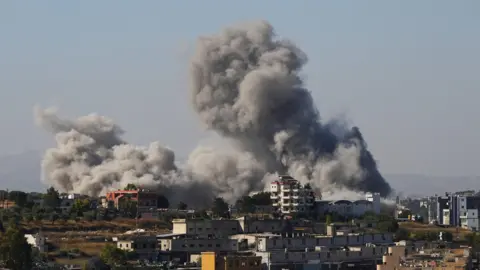
Many members of the Senate Foreign Affairs committee had long sought the opportunity to question U.S. Secretary of State Marco Rubio regarding Venezuela. Their calls for a hearing intensified following unprecedented U.S. airstrikes on Caracas and the removal of Nicolás Maduro from power earlier this month.
Finally, a public hearing, said Tim Kaine, a Democrat from Virginia, as he recounted the U.S. administration's journey leading to Maduro's arrest and the establishment of an interim government led by Delcy Rodriguez.
Kaine pointed out that the first U.S. strike on drug smuggling vessels in the Caribbean occurred on September 2, 2025, lamenting that discussions surrounding that action had been classified and conducted in secrecy.
The hearing primarily focused on the complexities surrounding this year's events when Delta Force troops executed Maduro's removal as he faced drug trafficking charges.
Secretary Rubio stressed that the U.S. was not at war with Venezuela, claiming, We did not occupy a country. There are no U.S. troops on the ground, in a bid to clarify the administration's actions in light of accusations of bypassing Congressional authority.
Meanwhile, Senator Rand Paul pushed back against Rubio's narrative, dubbing the U.S. actions as lacking justification. Regardless, Rubio remained steadfast in his assertion that military operations were necessary, calling them a law enforcement operation aimed at drug trafficking.
Rubio argued that Maduro's ousting had created a transformative opportunity for Venezuela, which he likened to a critically ill patient. He assured that the U.S. administration's actions would help foster a more stable and prosperous future for the region.
He further outlined plans for maintaining control over Venezuela's oil industry, indicating that revenues would initially be deposited in an offshore account in Qatar before being transferred to a U.S. Treasury account, constraining the Venezuelan government's access to funds.
Analysts remain skeptical of whether the plans for Venezuela's oil resources can succeed, especially under a regime historically resistant to U.S. influence. Nonetheless, Rubio did not exclude the potential for further military interventions if deemed necessary.
Moving forward, the U.S. government's position on Venezuela aims to facilitate a transition back to a stable democracy, which Rubio described as a key to reshaping relations across Latin America.