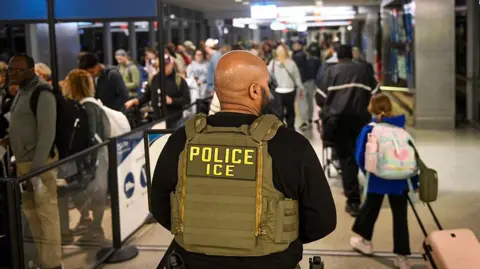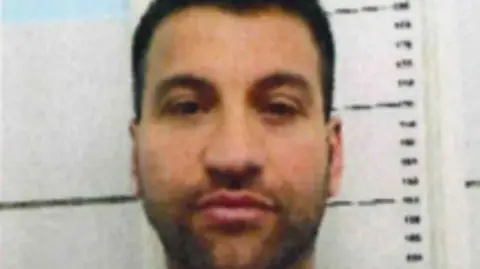
MINNEAPOLIS (AP) — The arrest of a Liberian man, Garrison Gibson, during a major immigration crackdown in Minneapolis has raised serious concerns regarding the legality and ethics of federal immigration practices. Gibson, 37, was detained by heavily armed immigration agents who forcibly entered his home using a battering ram—an action described by his attorney, Marc Prokosch, as a blatant constitutional violation.
For years, Gibson had been checking in regularly with immigration officials as part of an order of supervision following a dismissed drug conviction from 2008. His legal status had allowed him to remain in the United States while complying with federal regulations. However, Gibson's recent arrest occurred during what the Department of Homeland Security has called its largest immigration enforcement operation, which has sparked protests and heightened tension within the community.
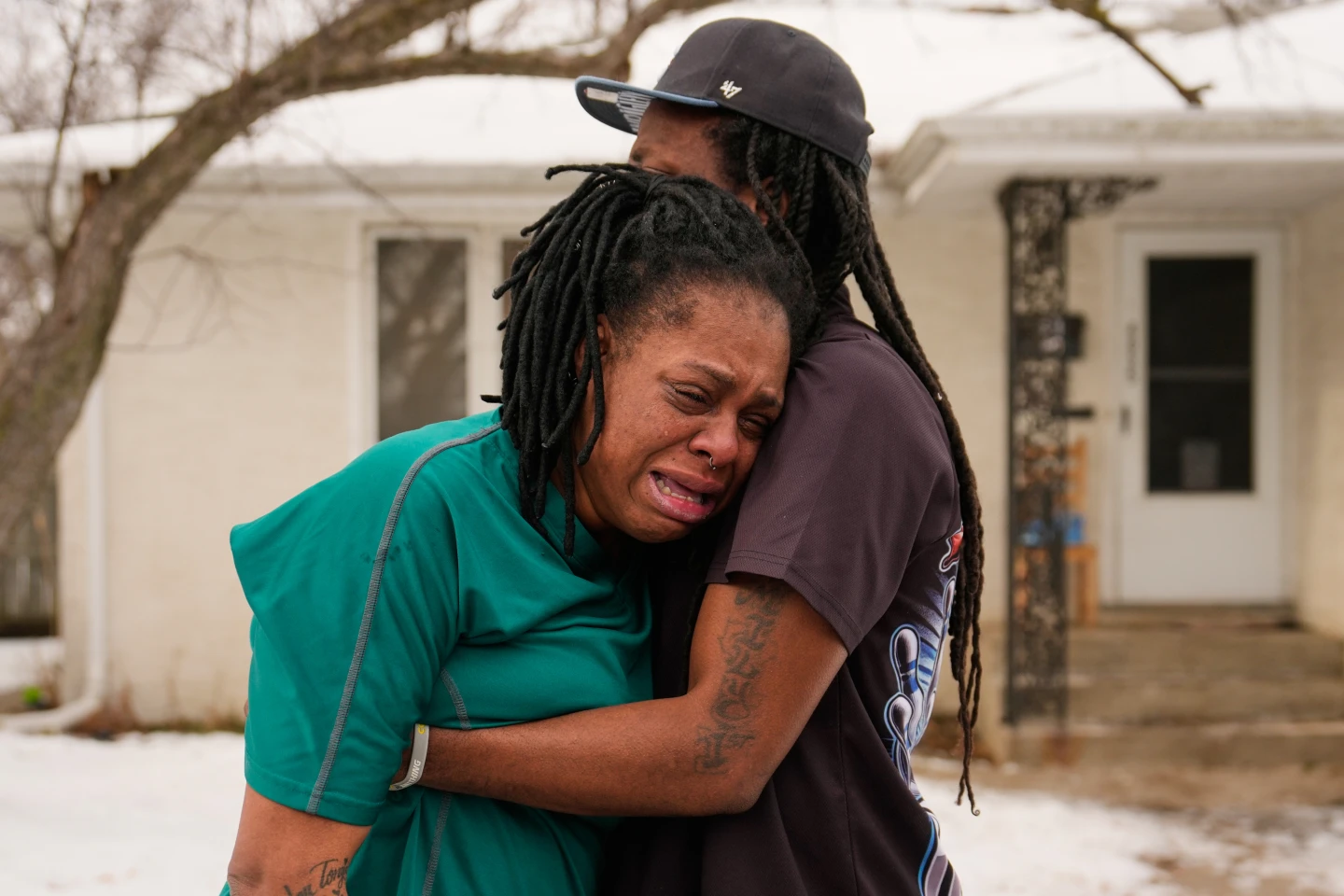
Local activists expressed outrage over Gibson's arrest, especially considering the recent death of 37-year-old Renee Good, who was shot and killed by immigration agents last week. Protests erupted in response, with demonstrators confronting law enforcement and demanding accountability. If he’s this dangerous person, then why are they letting him walk around? asked Prokosch, addressing contradictions in Gibson’s treatment by authorities.
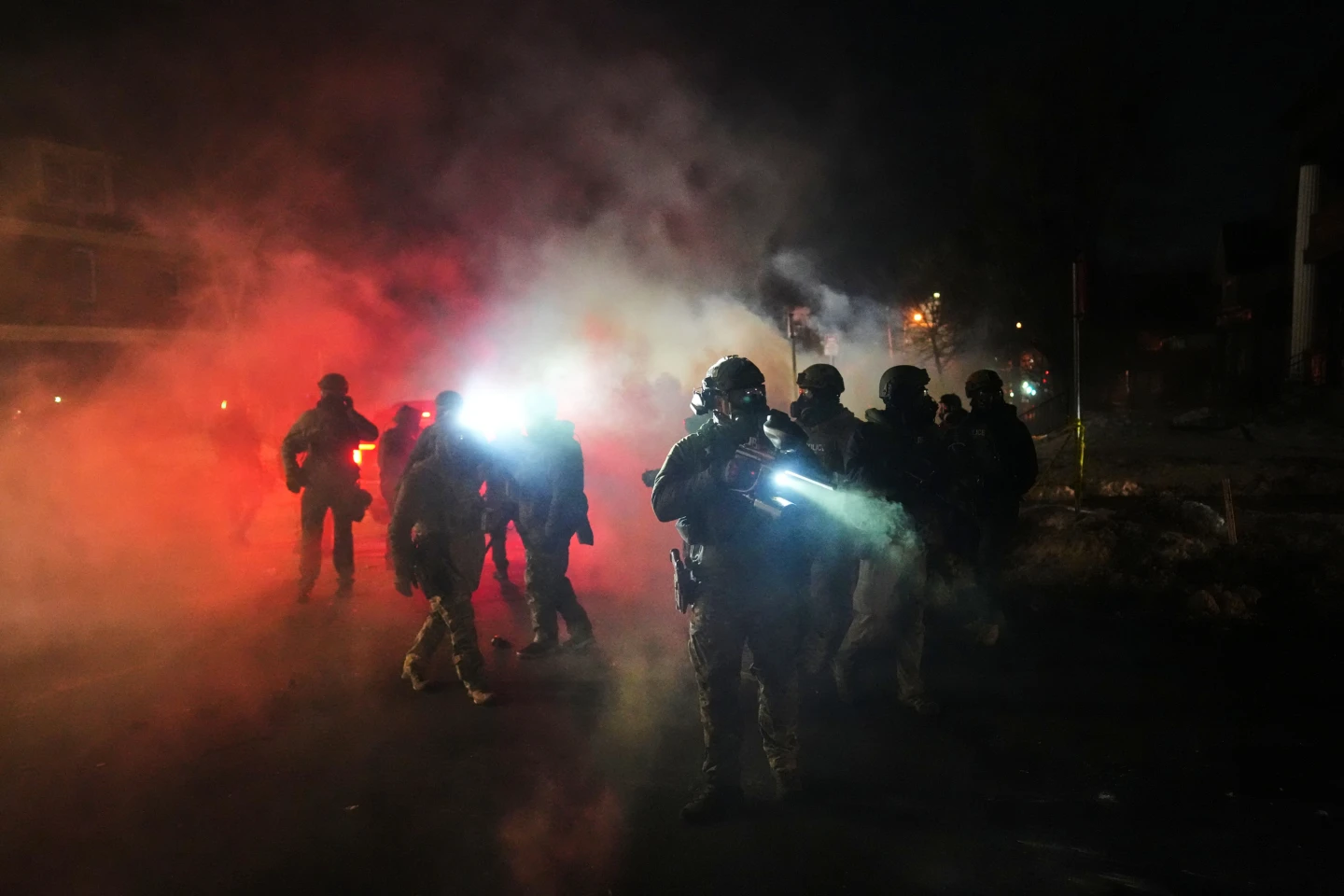
Critics of the federal operation highlighted the aggressive tactics used by immigration officers, including the lack of a proper warrant for Gibson's arrest. Activists were present at the scene, attempting to warn neighbors and halt the operation, only to face pushback from law enforcement who employed pepper spray against demonstrators.
The tension continues to escalate in the Twin Cities as community members rally against what they perceive as overly aggressive immigration enforcement, particularly in the wake of Good’s shooting and the subsequent crackdown that has resulted in over 2,000 arrests statewide since early December.
Despite the controversy, Homeland Security Secretary Kristi Noem pledged to continue sending federal agents to Minnesota to ensure enforcement of immigration laws, amidst growing calls for transparency and justice from local leaders. The impacts of these policies on immigrant communities remain a contentious issue, as many argue for compassion and reform in how immigrants are treated within the U.S. legal system.