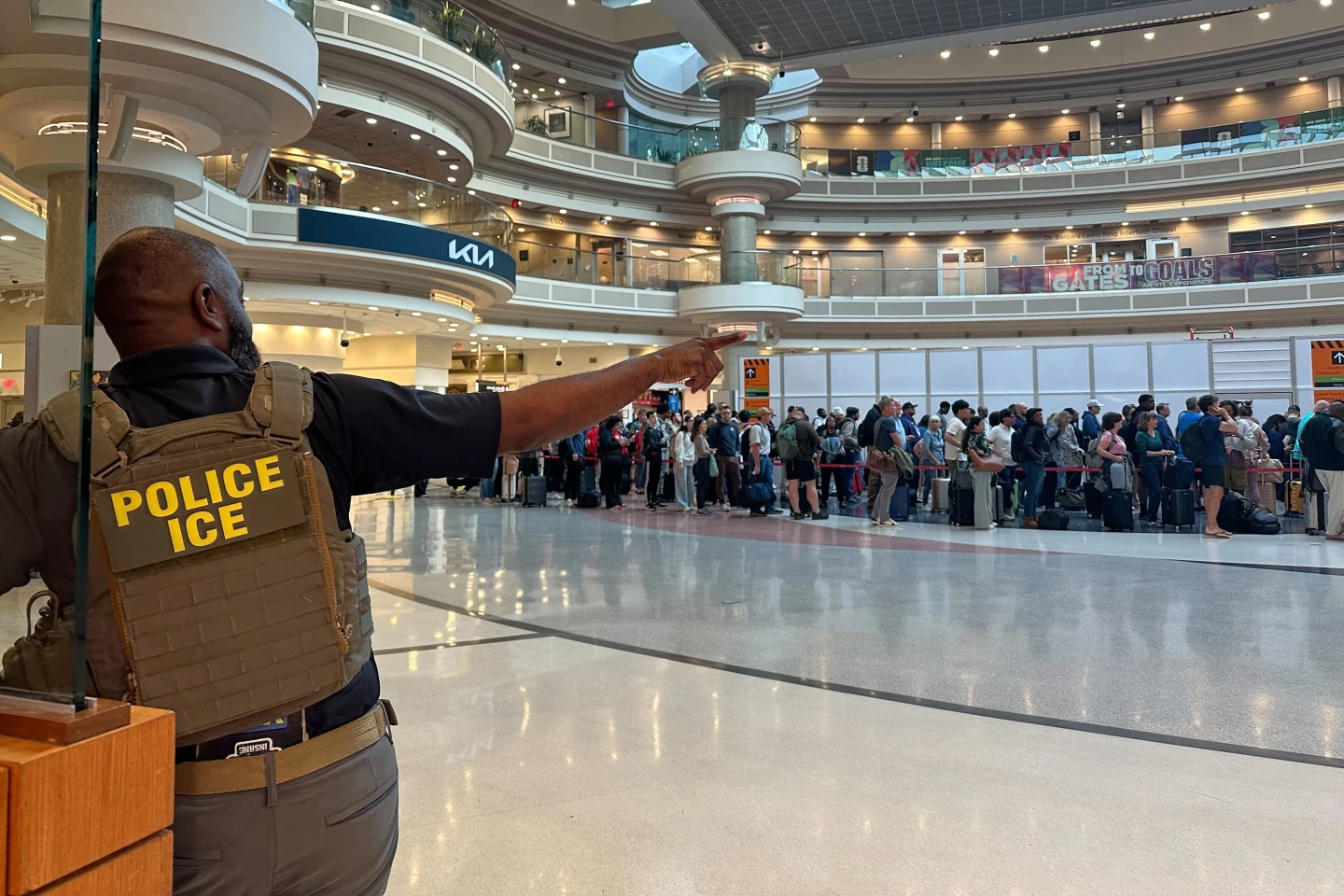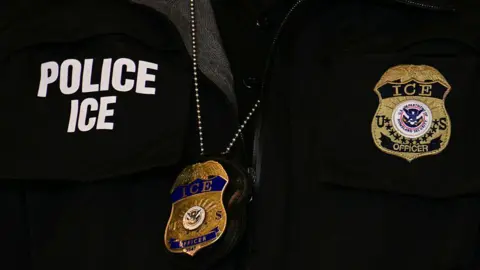
The Ecuadorian government has publicly condemned an incident in which a U.S. federal immigration agent allegedly attempted to enter its consulate in Minneapolis. The situation escalated when the consular officials, prioritizing the safety of Ecuadorians present, refused entry to the Immigration and Customs Enforcement (ICE) agent.
This confrontation occurred shortly after Ecuador's president, Daniel Noboa, expressed his government’s dissociation with the Trump administration's recent immigration policies. The incident highlights rising tensions within U.S. immigration enforcement, particularly following the tragic shooting of a nurse during protests against the government's stricter immigration measures.
According to Ecuador’s foreign ministry, the incident occurred on Tuesday around 11:00 local time. Under the 1963 Vienna Convention on Consular Relations, consular spaces are declared inviolable, meaning embassy or consulate agents cannot enter without consent, a condition which was not met in this case.
Video footage from the scene reveals a consular official firmly rejecting the ICE agent's attempts, insisting on the inviolable nature of their consulate. Ecuador has since lodged an official complaint with the U.S. embassy in Quito, marking a rare moment of discord between the two nations amid prior collaborative efforts in areas like economic relations.
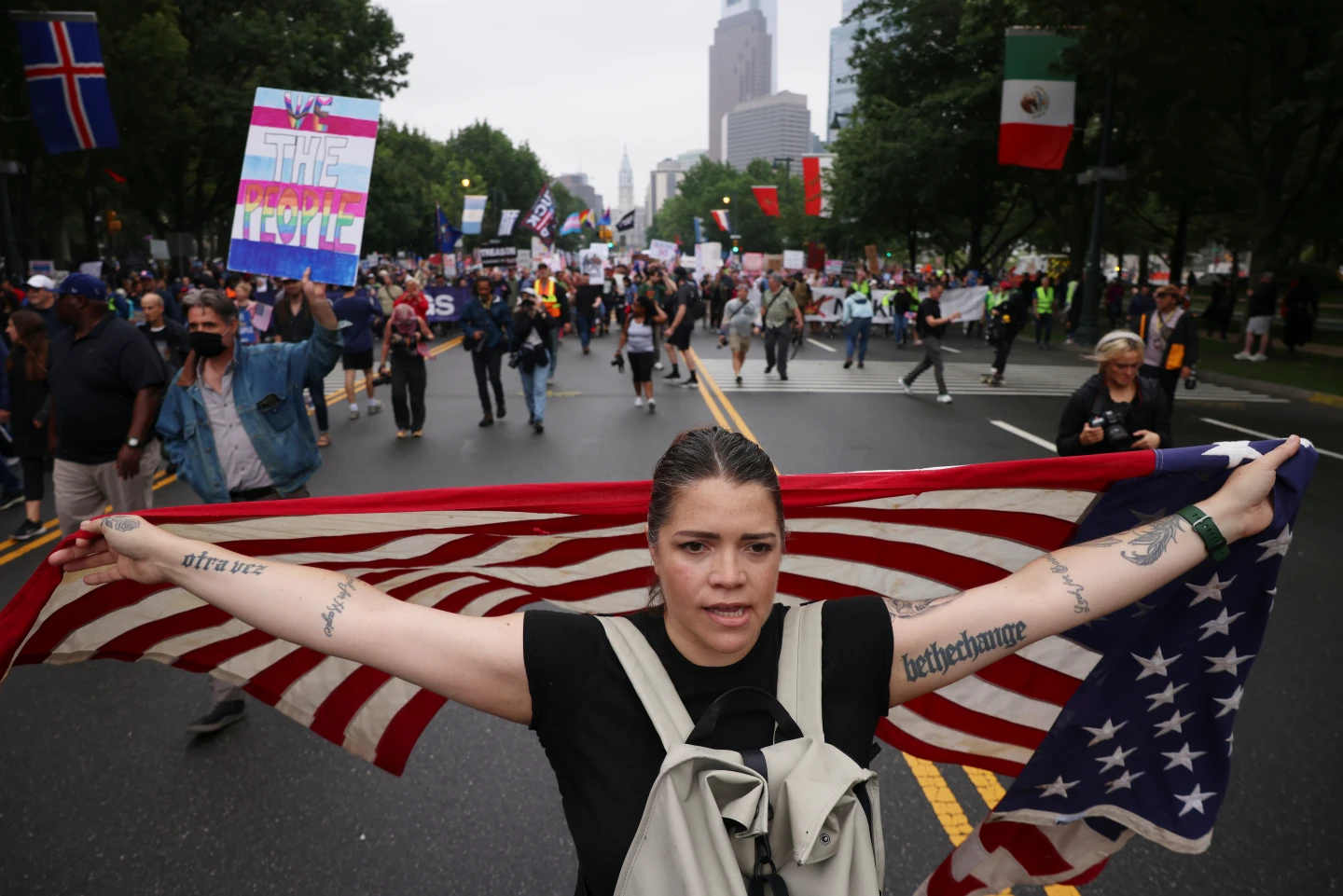
The backdrop to this incident is a surge in immigration enforcement presence in Minneapolis, which has included over 3,000 ICE agents deploying to the region, leading to escalating tensions and protests in response to past violent encounters with immigration officials.
This incident not only reflects on diplomatic relations but echoes broader societal sentiments regarding immigration policies and safety within U.S. communities. As public unrest grows, the response from Ecuador highlights the delicate nature of international diplomatic protocols, especially within contexts of immigration and human rights.