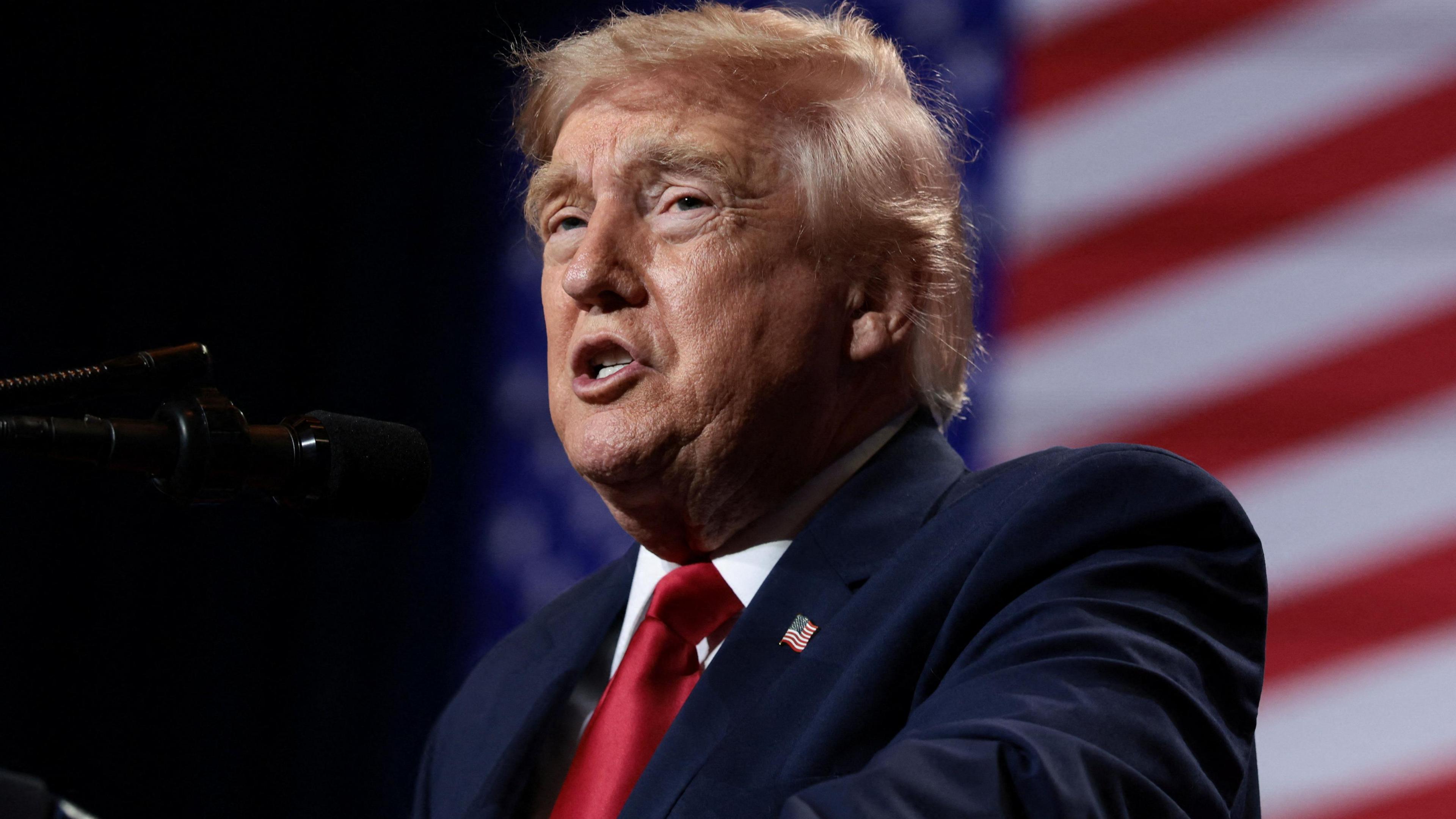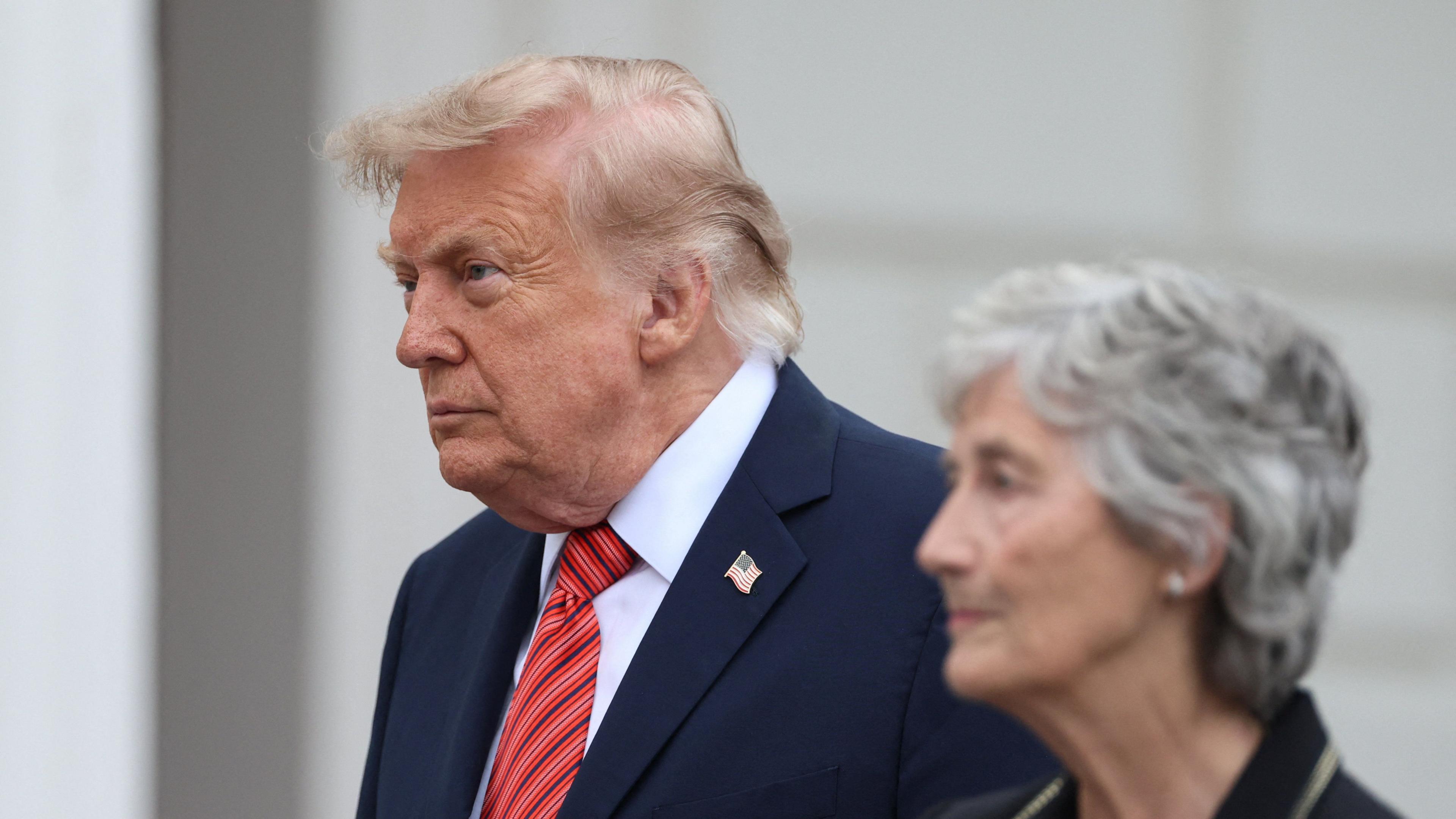
NEW YORK (ECHOSPHERE) — The United States has finalized its withdrawal from the World Health Organization (WHO), a significant shift in international health dynamics following an announcement made by President Trump during the COVID-19 pandemic response. Federal officials confirmed the withdrawal on January 22, 2026, amidst rising global health concerns.
This decision represents not just a formal departure but also reflects lingering financial issues, as the U.S. reportedly owes WHO approximately $280 million. Experts warn that this detachment could compromise the effectiveness of global responses to emerging health crises, including pandemics.
Lawrence Gostin, a public health law expert at Georgetown University, stated that the move might stifle U.S. access to crucial health data from other countries, which could have previously provided early warnings about potential outbreaks. He described this decision as "a significant setback for public health."
UNAIDS highlighted the vital role that WHO plays in managing global health efforts, from addressing pandemics to providing technical assistance to developing countries. The lack of U.S. participation may hinder initiatives aimed at combating diseases such as polio and strengthening maternal and child health programs.
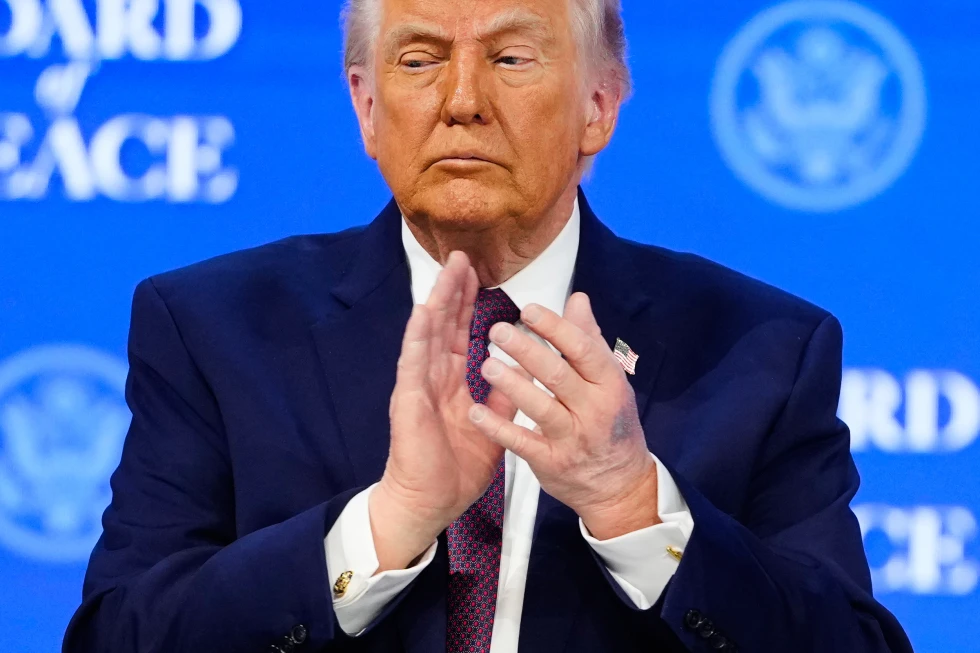
The U.S., historically one of the largest contributors to WHO funding, provided nearly $681 million in 2020. Trump's decision cited an alleged mismanagement of the pandemic and the organization’s failure to adapt to politicized influences as core reasons for the withdrawal.
Public health experts have criticized this move as short-sighted and detrimental to global collaboration. Dr. Ronald Nahass, president of the Infectious Diseases Society of America, described the withdrawal as “scientifically reckless,” emphasizing that effective health communication is pivotal to managing current and future health threats.
While the Trump administration has claimed that it will maintain public health relationships independently, details about these new arrangements remained vague, prompting skepticism about their effectiveness and reach. U.S. public health data and collaborative approaches have historically benefitted global disease outbreak responses and vaccine developments.
In addition, experts suggest that without the WHO as a platform for cooperation, the U.S. may face challenges in securing reliable health information from other nations, especially those with whom it has had strained relations.
Ultimately, as the U.S. grapples with its decision to leave WHO, the implications for global health security and the evolution of future health crises remain to be seen.