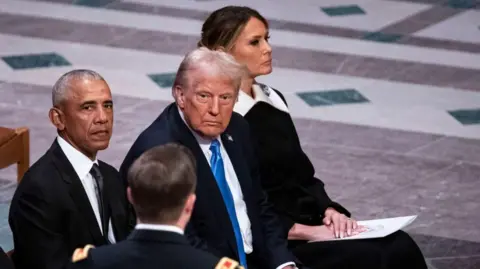
President Donald Trump has announced a new directive regarding federal response to protests in Democrat-led cities. On Saturday, he instructed Homeland Security Secretary Kristi Noem to refrain from deploying federal resources in areas where local authorities do not request assistance. This decision comes in the wake of growing opposition to the administration's approach to immigration enforcement, which has been perceived as increasingly aggressive.
Trump's post on social media emphasized that the federal government will only engage in protests within these cities if explicitly asked for help. He noted, however, that federal buildings would receive significant protection to deter potential attacks from 'agitators and insurrectionists.' Trump's order raises serious questions about federal intervention and its implications for local governance, especially as protests against immigration policies surge in various cities nationwide.
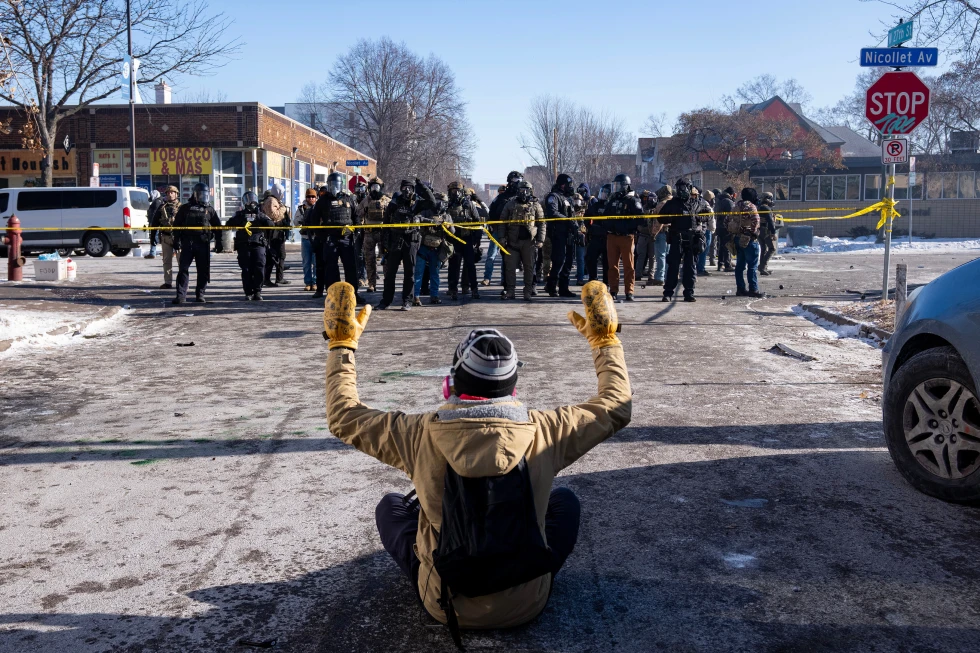
In cities such as Minneapolis and St. Paul, local leaders, including Minnesota Attorney General Keith Ellison, have voiced strong objections to federal enforcement actions they deem unconstitutional. They challenge the legality and morality of such immigration crackdowns, claiming they violate the civil rights of citizens and residents.
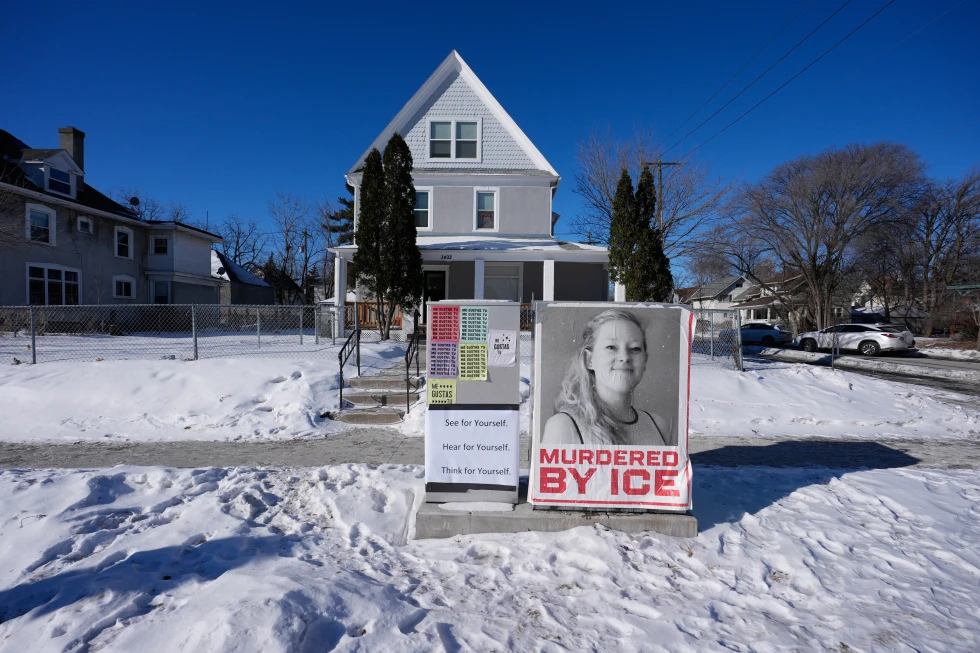
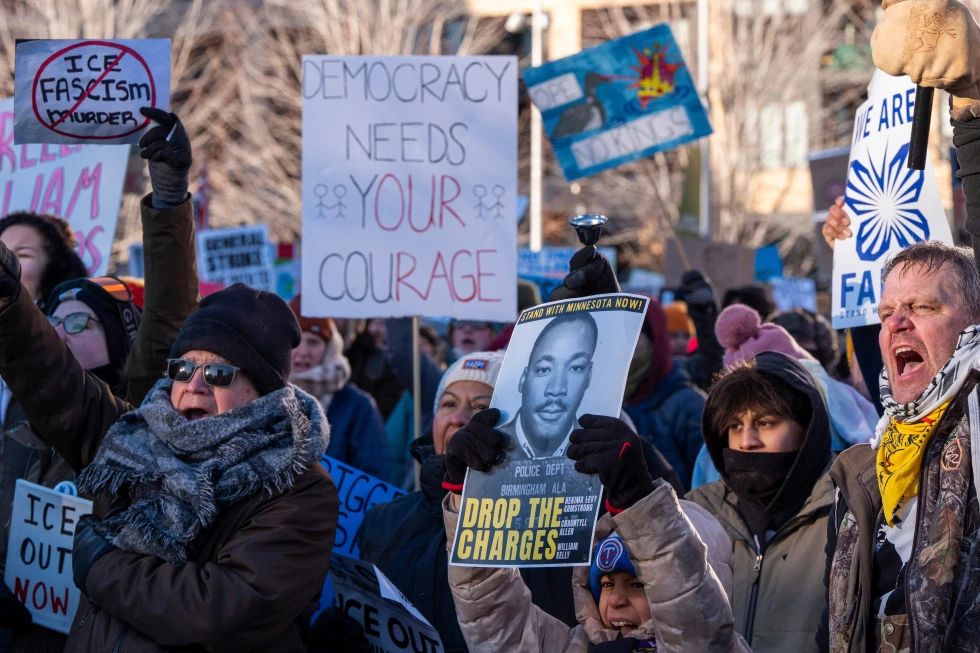
A federal judge has ruled against a request to halt these federal operations despite ongoing legal disputes. Critics fear the escalation of federal actions could lead to further violence, particularly in light of recent incidents involving fatal shootings of protesters by federal officers. Demonstrations against federal immigration enforcement have intensified as communities respond to these controversial actions.
In response to public outcry and protests, Trump's border enforcement chief, Tom Homan, indicated a potential easing of federal actions if local cooperation is established. The situation in Minnesota remains fluid, with both state and federal authorities navigating heated tensions stemming from immigration policies.