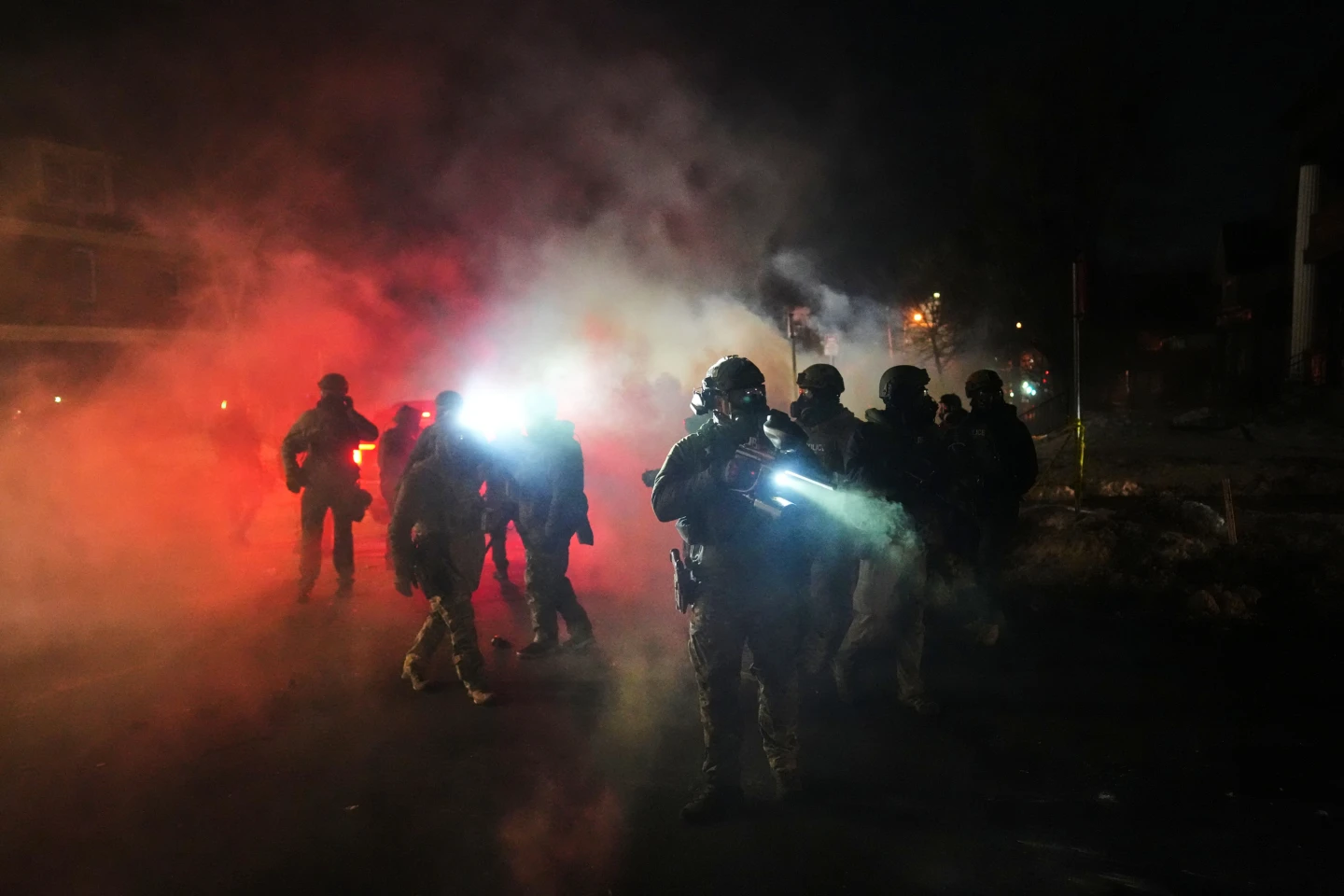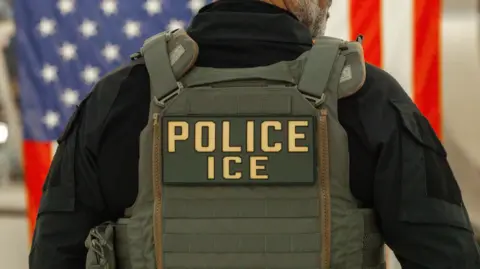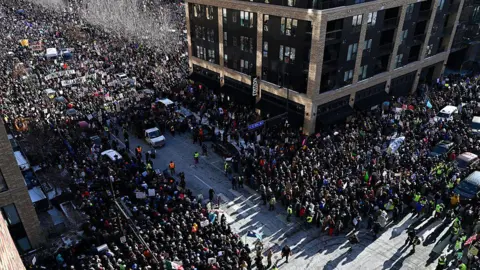
On Friday, hundreds of businesses in Minnesota closed their doors in solidarity with thousands of protesters who faced severe cold weather to voice their opposition to the ongoing actions by U.S. Immigration and Customs Enforcement (ICE).
These widespread protests were encouraged by community organizers who urged residents to skip work or school and refrain from shopping as a demonstration against the recent immigration crackdown in the state, which has been ongoing for more than six weeks under the Trump administration.
Critics argue the operation targets not only individuals with criminal records but also migrants without such offenses, raising concerns about detentions affecting U.S. citizens as well.
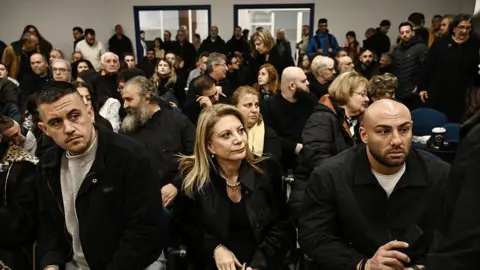
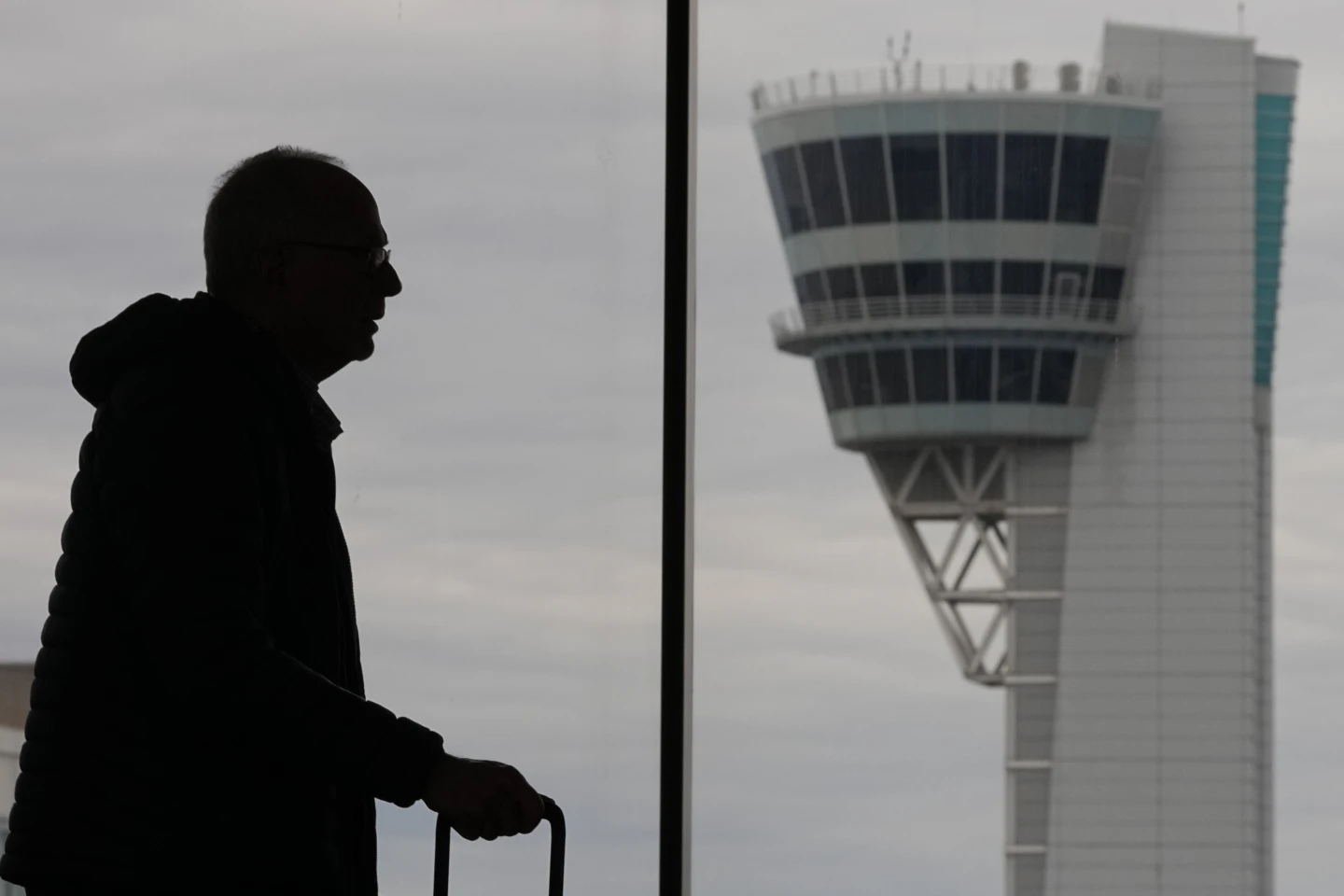
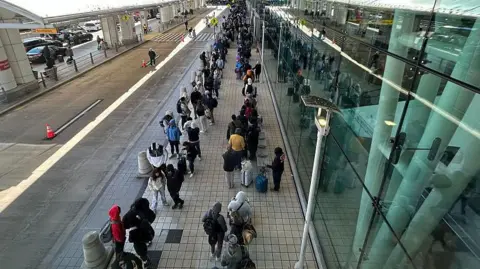
A significant moment in the protests occurred at the Minneapolis airport, where about 100 clergy members were arrested during a demonstration calling on airlines to refuse transporting detainees arrested by ICE. Reports indicated these arrests were made to ensure public safety and maintain airport access.
The operation known as Operation Metro Surge has brought increased federal presence in Minnesota, with many expressing growing unrest following the recent death of a local resident linked to ICE enforcement actions. Bishop Dwayne Royster of Faith in Action remarked, We want ICE out of Minnesota, and we want ICE out of every state, with their extreme overreach. We want Congress to stand up and provide oversight to ICE.
The protests represent one of the largest organized efforts against ICE actions in the state, and involved thousands marching through Minneapolis to raise awareness around their cause.
Businesses ranging from restaurants to small retail shops participated in the closure, with many owners expressing concerns about the fears surrounding ICE's presence and its economic impacts on their communities. Kim Bartmann, a restaurant owner, noted that the decision to close was difficult given the financial repercussions but felt it was important to show solidarity amidst rising fears over safety and community well-being.
Protesters, led by local activists, echoed their demand for better treatment of immigrants and criticized the federal government's current immigration policies as harmful to both individuals and local economies. The sentiment was echoed by many who believe that the threat of ICE detainments is not just a matter of immigration, but also economic survival for many small businesses.