China's economy grew faster than expected in the first three months of the year, clocking in a GDP increase of 5%, according to official data. This growth comes despite the global repercussions of the U.S.-Iran conflict, which has severely disrupted energy supplies worldwide, particularly affecting Asian markets.
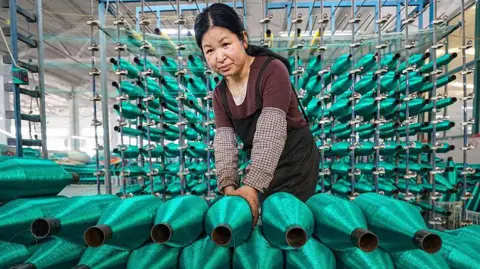
This release marks the first official GDP report since China revised its growth target to between 4.5% and 5%, the lowest since 1991. The current growth reflects a recovery from a weaker 4.5% expansion noted in the previous quarter, driven primarily by sectors like manufacturing.
Analysts highlight that automotive exports have been particularly strong, contributing positively to the economic outlook. However, the looming impacts of the Iran conflict are concerning, as trade disruptions are anticipated to hinder future growth, with expectations for the next quarter's figures to potentially decline.
China's economic strategy, outlined in its latest Five Year Plan, emphasizes significant investments in innovation and high-tech industries, seeking to bolster domestic consumption as the Communist Party navigates challenges including dwindling population growth and an ongoing property crisis.
Amidst rising costs attributed to the Iran conflict, Chinese imports soared 28% in March, contributing to a narrowing trade surplus as export growth slowed to 2.5%, the lowest in six months. Economists warn of potential declines in export demand if inflation persists globally, reflecting a cautious outlook on sustaining the current growth momentum.