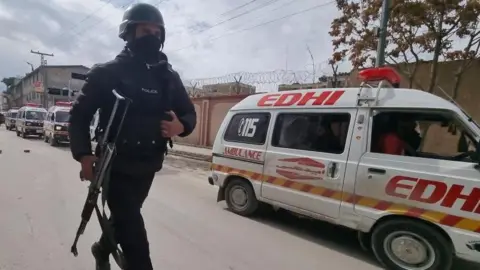
A series of gun and bomb attacks across Pakistan's south-western Balochistan province have killed 31 civilians and 17 security service personnel, the region's Chief Minister Sarfraz Bugti says.
Security forces responding to the violence killed at least 145 attackers during a 40-hour gun battle, he said. The Balochistan Liberation Army (BLA) rebel group had earlier said it was behind the attacks, claiming dozens of soldiers were killed.
It marks an escalation of violence in the impoverished but resource-rich province, where Pakistan's government has been battling an ethnic insurgency for decades.
Pakistan accused India of supporting the BLA. Delhi has repeatedly denied such accusations.
Grenade and gun attacks in the provincial capital Quetta and cities across the province targeted hospitals, schools, banks and markets, Pakistan's junior interior minister Talal Chaudhry said.
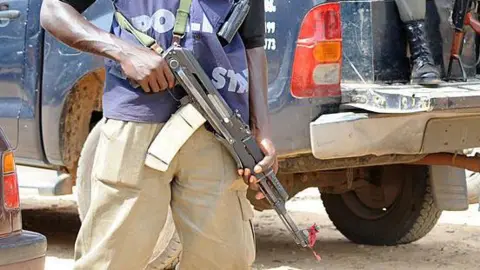
In each case, the attackers came in dressed as civilians and indiscriminately targeted ordinary people working in shops, he said, adding that the attackers had used civilians as human shields.
The violence also saw armed attackers open fire at security installations and attempt suicide bombings, briefly blocking urban roads. Key administrative buildings in Quetta were sealed off, mobile phone services jammed, and regional train services suspended.
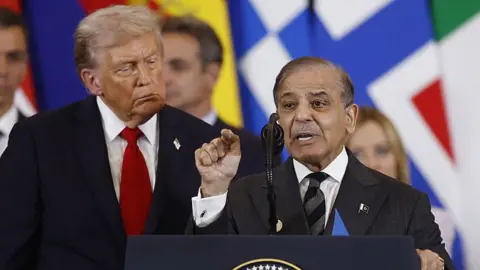
Prime Minister Shehbaz Sharif praised the military's efforts, pledging to continue the war against terrorism until its complete eradication.
The BLA claimed it had conducted a coordinated operation dubbed Herof, or black storm, against security forces, alleging the death and kidnapping of military personnel. This claim remains unverified, as the military has not issued a comment.
The insurgency in Balochistan, which has continued since 1948 when Pakistan gained independence, is rooted in local grievances over resource exploitation and enforced disappearances attributed to security forces, a claim Islamabad denies. The province, covering nearly 44% of Pakistan's land and rich in natural resources, has long been a focal point of tension between local populations and the federal government.
Security forces responding to the violence killed at least 145 attackers during a 40-hour gun battle, he said. The Balochistan Liberation Army (BLA) rebel group had earlier said it was behind the attacks, claiming dozens of soldiers were killed.
It marks an escalation of violence in the impoverished but resource-rich province, where Pakistan's government has been battling an ethnic insurgency for decades.
Pakistan accused India of supporting the BLA. Delhi has repeatedly denied such accusations.
Grenade and gun attacks in the provincial capital Quetta and cities across the province targeted hospitals, schools, banks and markets, Pakistan's junior interior minister Talal Chaudhry said.
In each case, the attackers came in dressed as civilians and indiscriminately targeted ordinary people working in shops, he said, adding that the attackers had used civilians as human shields.
The violence also saw armed attackers open fire at security installations and attempt suicide bombings, briefly blocking urban roads. Key administrative buildings in Quetta were sealed off, mobile phone services jammed, and regional train services suspended.
Prime Minister Shehbaz Sharif praised the military's efforts, pledging to continue the war against terrorism until its complete eradication.
The BLA claimed it had conducted a coordinated operation dubbed Herof, or black storm, against security forces, alleging the death and kidnapping of military personnel. This claim remains unverified, as the military has not issued a comment.
The insurgency in Balochistan, which has continued since 1948 when Pakistan gained independence, is rooted in local grievances over resource exploitation and enforced disappearances attributed to security forces, a claim Islamabad denies. The province, covering nearly 44% of Pakistan's land and rich in natural resources, has long been a focal point of tension between local populations and the federal government.