Scientists anticipated adverse effects of climate change on polar bears, but a recent study shows surprising results. In the Norwegian Arctic archipelago of Svalbard, polar bears have actually become fatter and healthier since the early 1990s. This is in marked contrast to worsening sea ice conditions due to climate change.
Polar bears typically rely on sea ice as a platform to hunt seals, which are essential for their caloric intake and overall health. Fat reserves are crucial for insulation and energy, especially for nursing mothers.
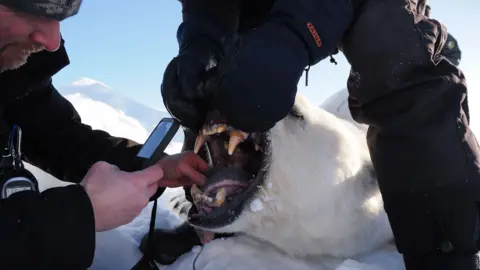
Between 1992 and 2019, researchers studied 770 polar bears, finding significant increases in fatness among the population. The evidence suggests that Svalbard's polar bears have adapted by diversifying their diet to include more land-based mammals, such as reindeer and walruses, particularly as walrus populations have rebounded due to conservation efforts.
This shift in diet may have allowed the bears to maintain their health despite the loss of their traditional hunting grounds. The fatter a bear is, the better it is, explained Dr. Jon Aars from the Norwegian Polar Institute. I would have expected to see a decline in body condition with such profound loss of sea ice.\
However, this good news may not last. As sea ice continues to decline at a rate of nearly four days per year, bears will increasingly have to travel further for food, potentially depleting their energy reserves. Dr. John Whiteman of Polar Bears International warns that while the short-term picture appears positive, the long-term prospects for these iconic Arctic predators are concerning.
Experts note that different populations of polar bears are influenced by climate change in varying ways. For instance, polar bears in Canada's Western Hudson Bay have experienced population declines that correlate directly with rising temperatures. Ultimately, as ice loss proceeds unchecked, researchers maintain that the long-term outlook for polar bears remains bleak.