SAN DIEGO (Echosphere News) — Residents of Southern California near the Tijuana River continue to suffer from severe health problems due to decades of pollution from sewage and industrial waste flowing across the Mexico-U.S. border.
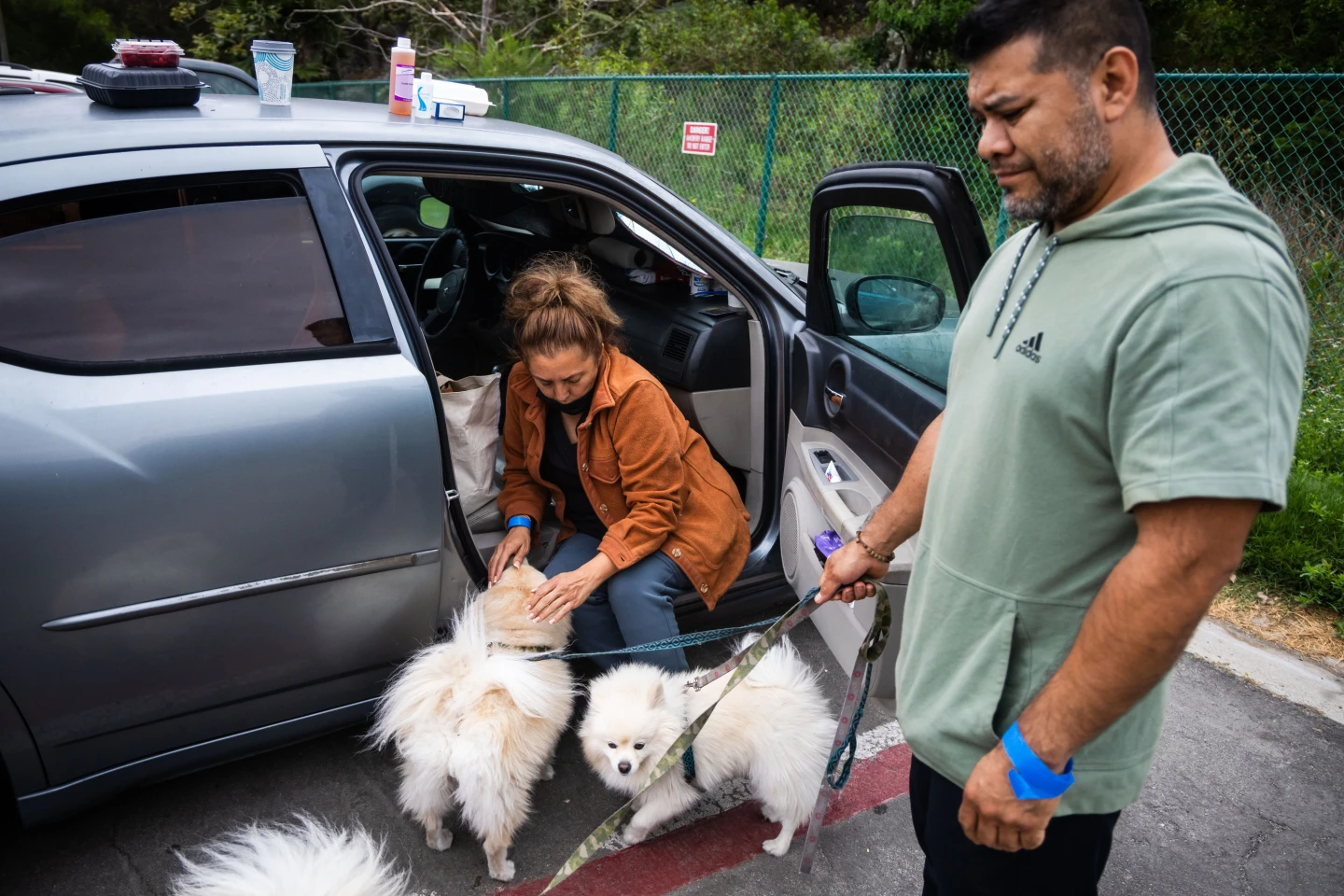
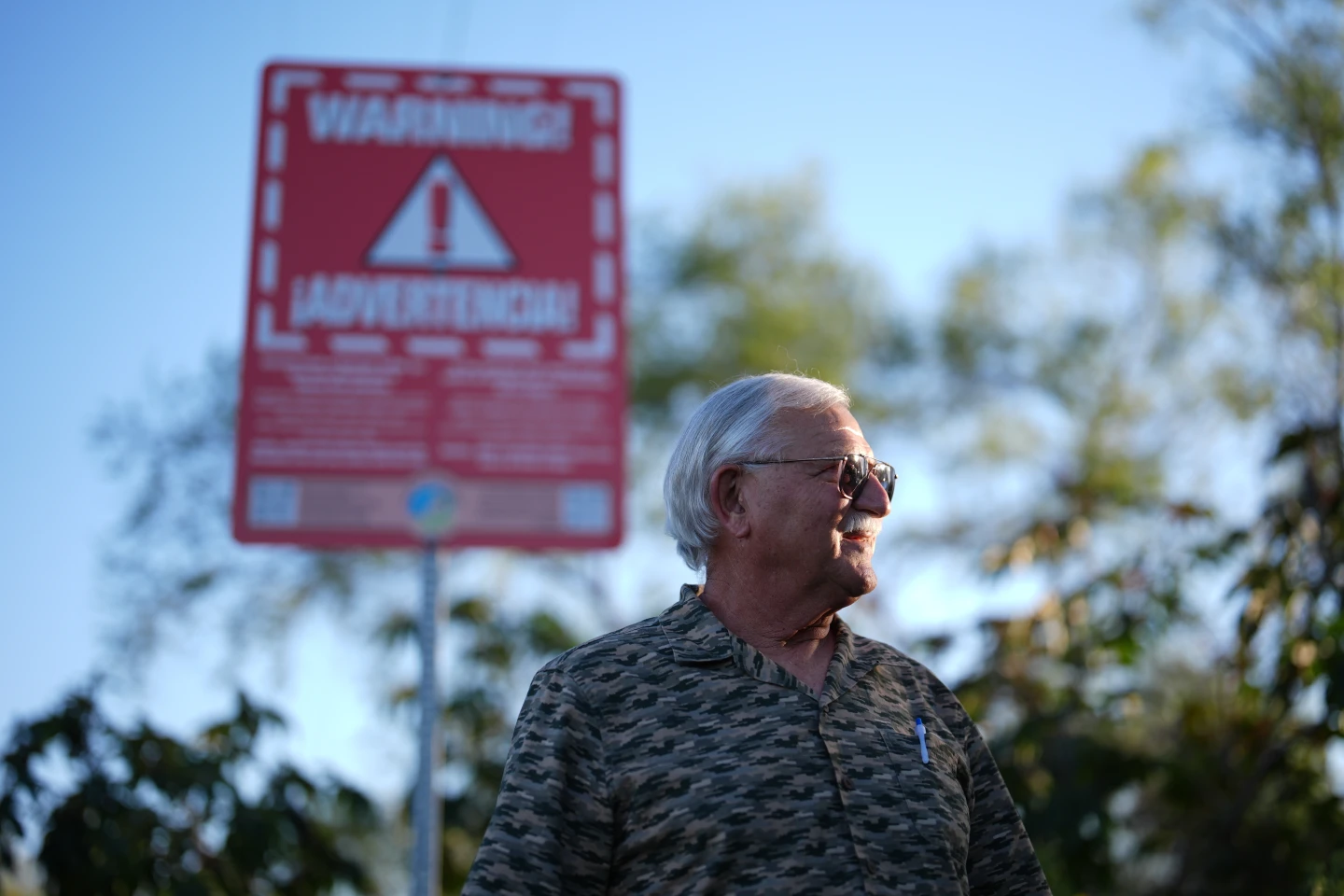
Steve Egger, a local resident, often describes the stench from the river as unbearable, resulting in persistent headaches and respiratory issues for him and his family. The river has discharged over 100 billion gallons of raw sewage since 2018, leading to alarming health reports, including respiratory issues and asthma aggravated by hydrogen sulfide exposure.
Despite these alarming conditions, response from governmental authorities has been sluggish. The Environmental Protection Agency Administrator has indicated a timeline of two years to implement resolutions for what is one of the most severe environmental crises in the U.S.
While some air filtering systems have been distributed, local physicians have reported a staggering increase in patients struggling with respiratory conditions since the river exhibited higher levels of contamination.
Experts including Dr. Matthew Dickson highlight the link between rising river flows and increased patient visits, with counts jumping 130% during peak contamination periods. As residents cry out for immediate action and relief, the proposal to rectify air and water standards seems slow and inadequate given the significant health risks involved.
Currently, many are advocating for the restoration of the river's historical route to prevent further pollution from encroaching on residential areas. Local campaigns, such as 'Stop the Stink,' reflect heightened community pressure for immediate governmental response to restore and clean the river.
As the contamination persists, local families like the Eggers are left in desperation, longing for an effective solution to reclaim their health and safety.