In a controversial move, Congressional Republicans have sent a resolution to President Trump aimed at lifting a federal ban on mining operations near the Boundary Waters Canoe Area Wilderness in Minnesota. This change, motivated by the desire to facilitate mining concessions for a South American company, poses a significant threat to the region’s delicate ecosystems.
The resolution has garnered approval from both the House and the Senate, with a narrow vote in the Senate of 50-49 supporting the measure, despite substantial backlash from environmental groups who fear that mining activities could lead to irreparable pollution in one of America's last pristine wild areas.
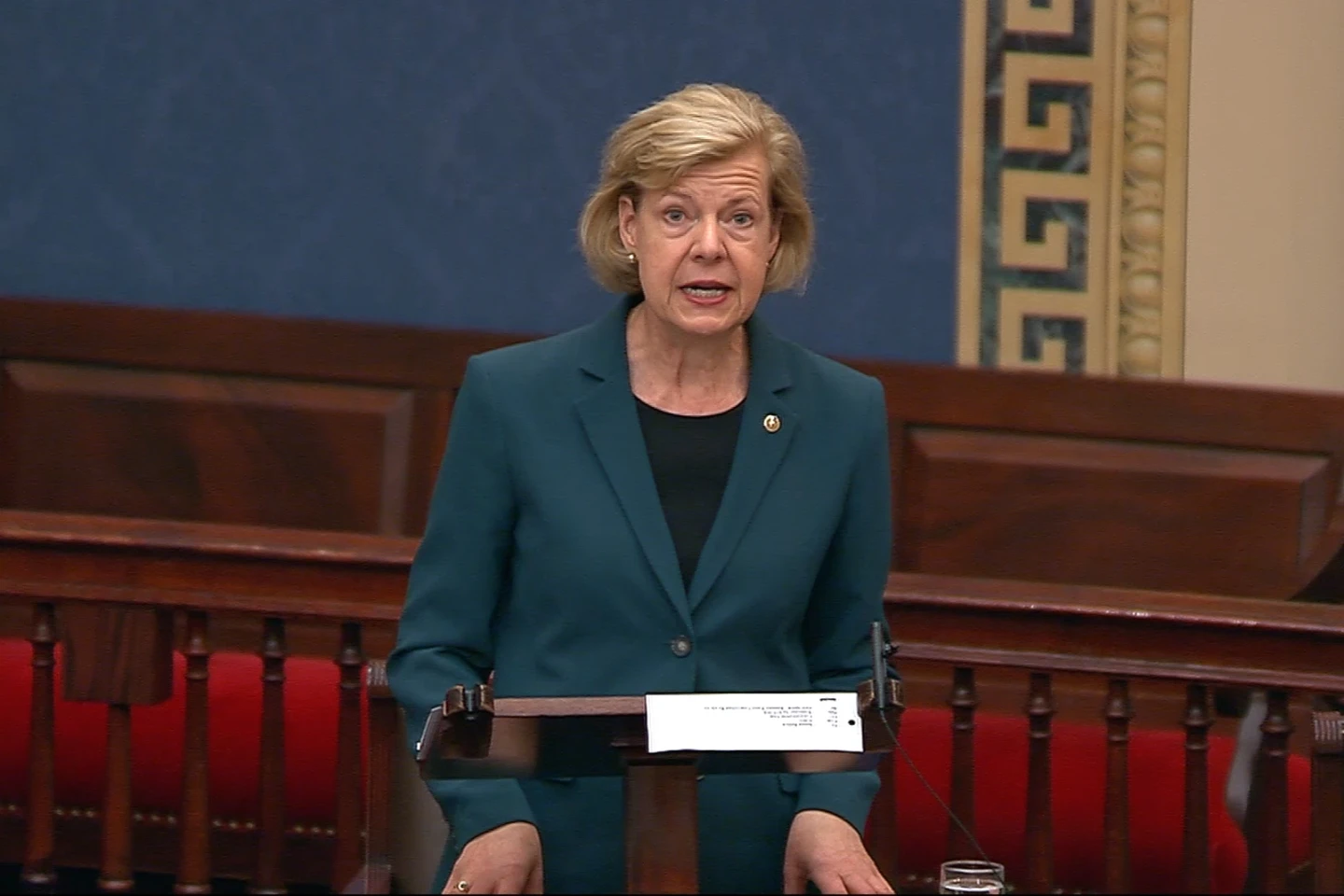
Democrats and local Minnesota Senators have expressed strong concerns, stating that this decision could open the door for further rollbacks of environmental protections on public lands throughout the country. Senator Amy Klobuchar, who has previously backed other mining initiatives, emphasized that it was imperative to protect the identity of Minnesota and its cherished natural wilderness.
The Boundary Waters, renowned for its stunning landscapes and clear waters, serves as a cherished space for outdoor enthusiasts and conservationists alike. It constitutes a vital ecological area that hosts a diverse range of flora and fauna, while also holding cultural significance for nearby Indigenous populations.
While advocates for lifting the mining moratorium argue that it will create jobs and benefit local economies, opponents highlight that the risks of contamination from mining processes—specifically through mercury and sulfides—could threaten the local wildlife and ecosystems, integral to the area’s conservation.
Republican representatives have championed the resolution as necessary for securing the U.S.'s mineral production, claiming that maintaining local mining operations is vital to protect national interests from reliance on foreign entities for essential minerals.
If the resolution is signed by President Trump, it could set off a series of regulatory and legal challenges. Twin Metals Minnesota LLC, the company interested in the mining concessions, has previously pursued legal action to maintain its mineral leases. Environmental groups remain vigilant, poised to contest any permits that may be issued in pursuit of mining in the area.
The outcome of this legislation may significantly impact the delicate ecosystem of the Boundary Waters, further exacerbating the ongoing debate between economic development and environmental stewardship in the United States.