As the Biden administration continues to focus on immigration reform, many undocumented parents and child care workers from Latino communities express their fears about potential deportations. The situation highlights the broader implications of heightened immigration enforcement on the education sector.
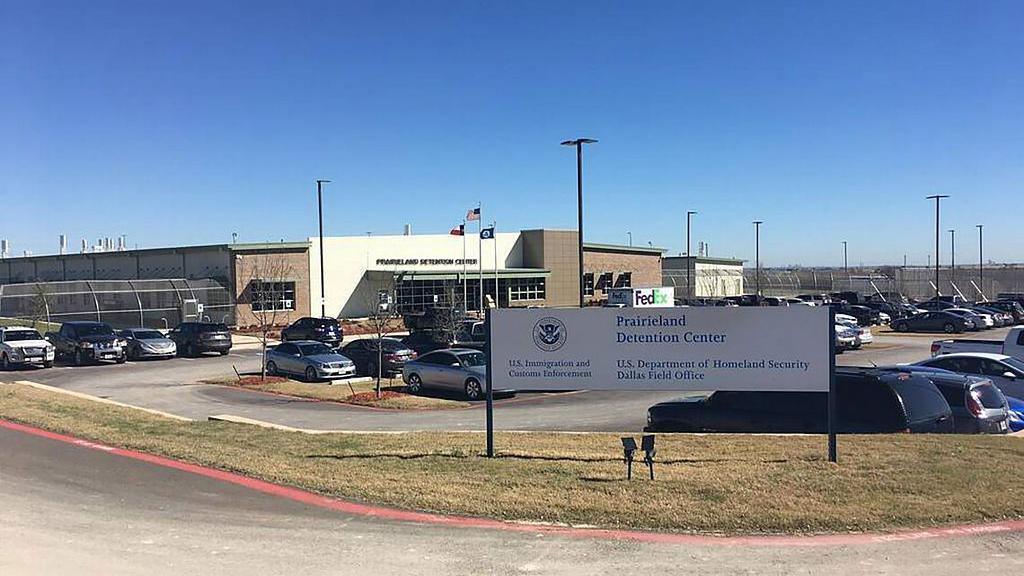
At CentroNía, a bilingual preschool in Washington, D.C., teachers have had to adapt their routines, abandoning outdoor excursions in favor of staying within the school walls, reflecting a community impacted by the constant threat of Immigration and Customs Enforcement (ICE) raids. CEO Myrna Peralta underscores that although all staff members possess work authorization, the looming presence of ICE has shaped their operational decisions significantly.
The fear is palpable. A teacher at a Chicago preschool was recently arrested by ICE while responding to an emergency, raising alarm among educators and families reliant on immigrant workers for child care. The emotional toll on many, including U.S. citizens and legal residents, showcases how the current policies have fostered an atmosphere of anxiety.
Studies indicate that as much as 40% of the child care workforce in major cities like D.C., California, and New York are foreign-born, emphasizing their crucial role in providing care and education. With many immigrants from Latin America helping to fill a high demand for bilingual preschool education, the detrimental effects of deportation fears can be disruptive not only to staff but to the children who rely on these services.
As preschoolers become more aware of the socio-political landscape, educators have noted an increase in anxiety and behavioral challenges among children in response to Immigration issues, necessitating additional support for both children and staff. The pressing reality is that the intersection of immigration and education must be addressed holistically to ensure the well-being of both educators and the families they serve.