Mountaineer Nirmal Purja Killed in Pakistan Avalanche – What the Climate Means
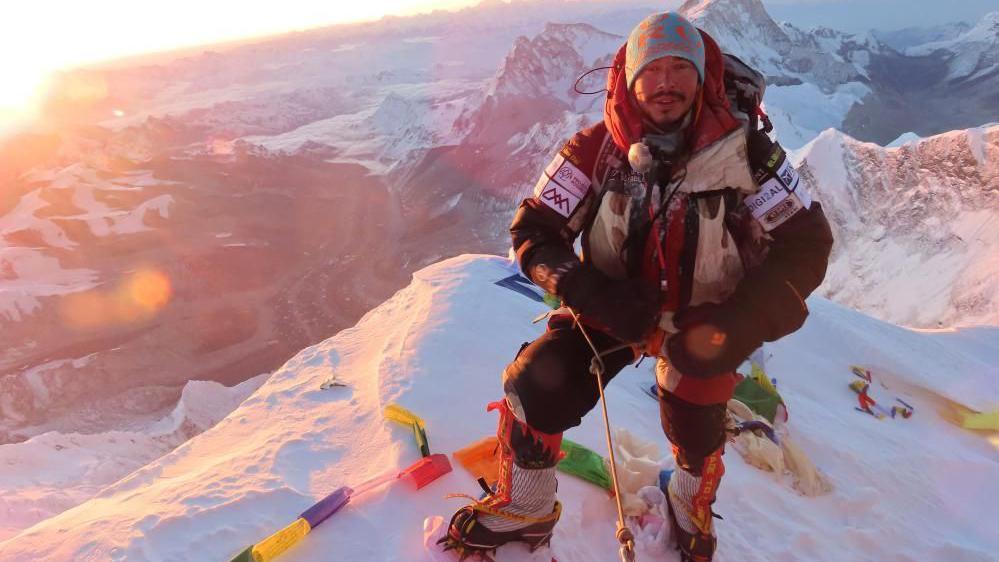
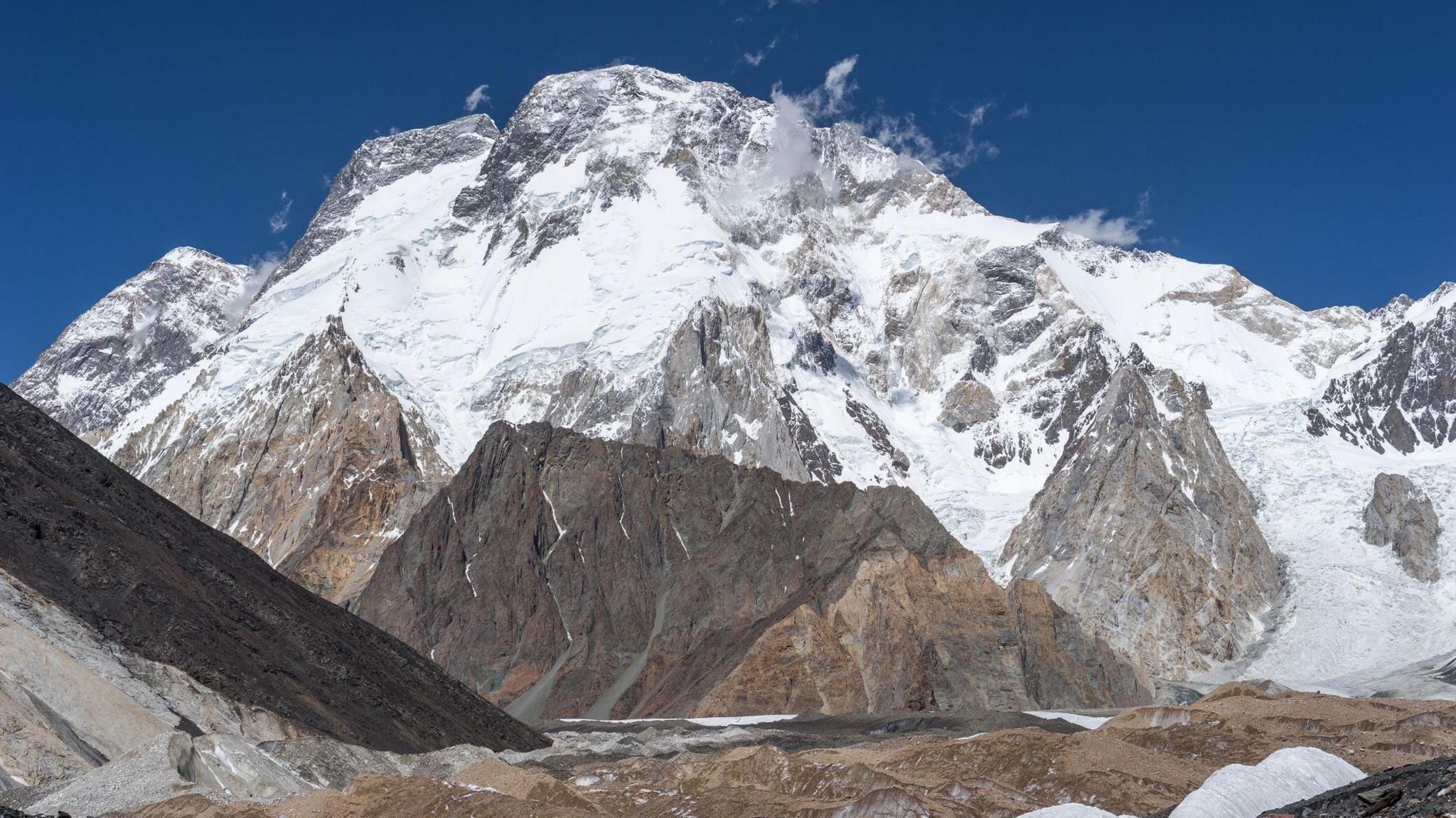
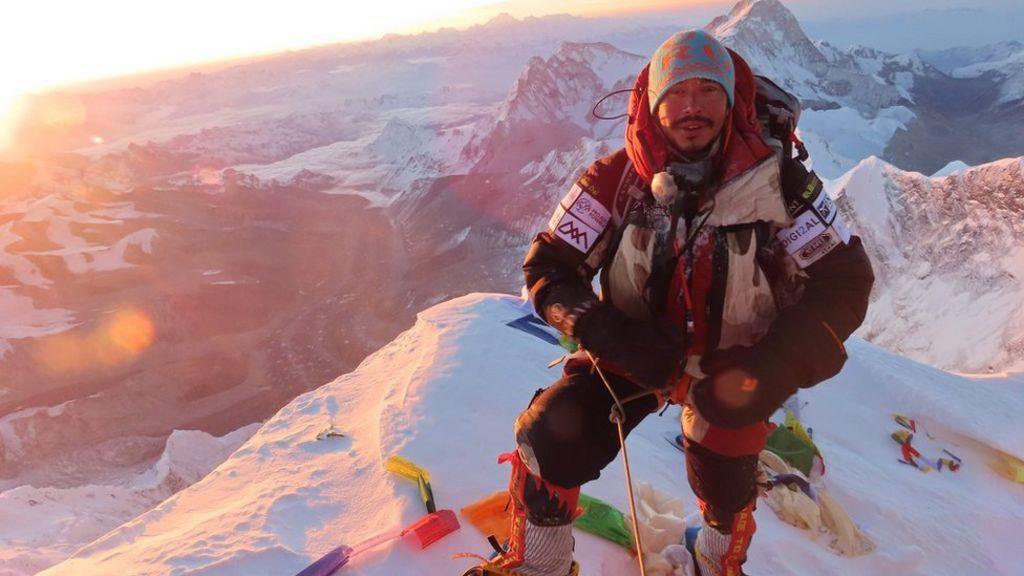
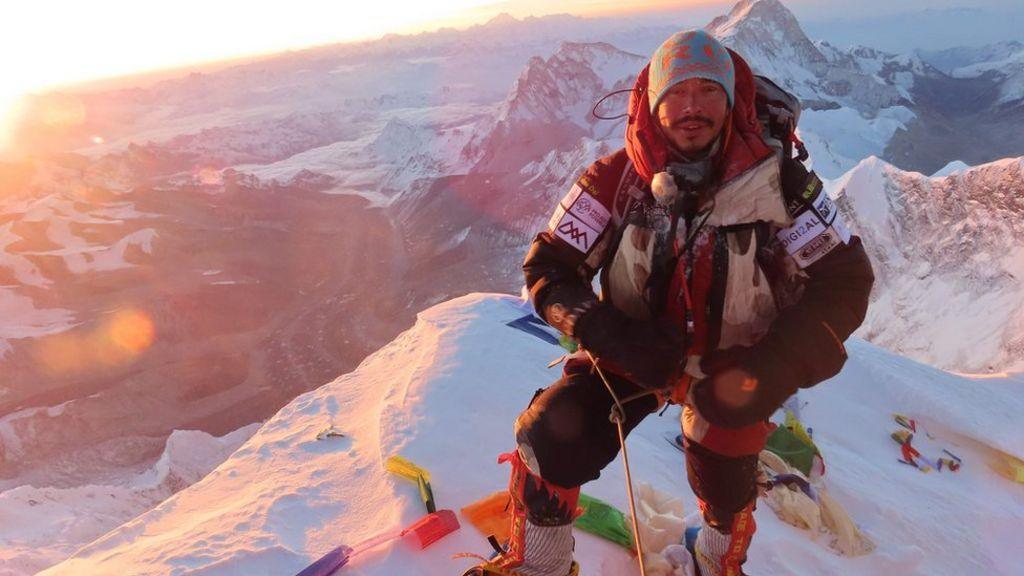
Nirmal Purja, the 43‑year‑old British‑Nepali mountaineer who climbed all 14 eight‑thousanders in 189 days, was confirmed dead in an avalanche on Broad Peak on Thursday, 1 August 2026. Elite Expeditions released a statement expressing profound sadness and heartbreak over the loss. His brother Kamal wrote a heartfelt tribute, underscoring the personal tragedy for the family and the mountaineering community.
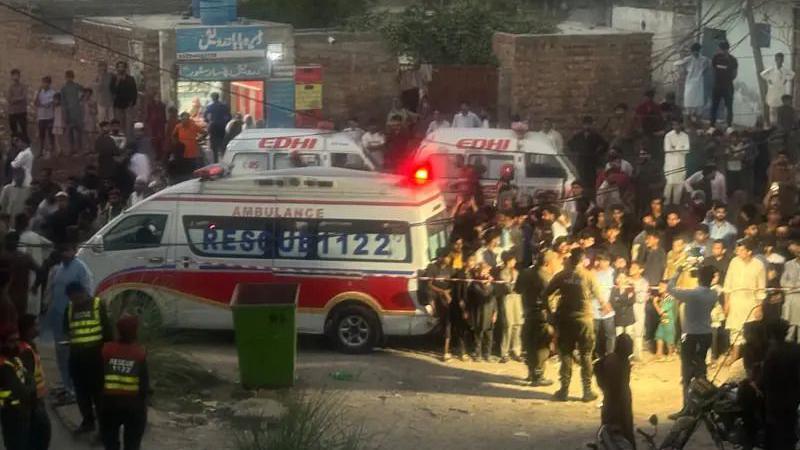
The incident was part of a wider avalanche that claimed 10 people in Pakistan’s Karakoram range. Pakistani officials reported the recovery of bodies from three climbing teams, including three Nepalese climbers and four foreigners. Nepal’s Prime Minister Balendra Shah expressed shock and highlighted Purja’s record‑setting legacy.
Experts agree that the avalanche’s scale correlates with shifting mountain climate patterns. Warmer temperatures melt permafrost and destabilize snowpacks, while changing precipitation regimes increase avalanche frequency. These conditions pose a heightened risk to high‑altitude expeditions, demanding new safety protocols and technology.
Recent advances in satellite and drone monitoring offer hope for early warning systems. Combining real‑time snow‑mass data with climate models can identify high‑risk zones before climbers arrive. The incident has spurred calls for mandatory climate‑risk assessments for all international expeditions.
Purja’s military background and experience with extreme environments underscore the need for robust rescue capabilities. Alpine Club of Pakistan spokesperson Naila Kiani emphasized that rescue teams were still searching for the bodies the avalanche had scattered across the region, reflecting persistent logistical challenges.
Moving forward, the mountaineering community is urged to integrate climate science into trip planning. Partnerships between climbers, scientists, and local agencies can improve risk communication and foster adaptive strategies, such as diversifying routes and timing to avoid the most hazardous conditions.
Purja’s legacy—ceremonial on international peaks and deeply committed to service—remains a reminder that mountaineering is increasingly intertwined with global climate dynamics. As temperatures rise and weather systems grow more volatile, the safety of the next generation of climbers will hinge on how effectively the world can anticipate and respond to these threats.