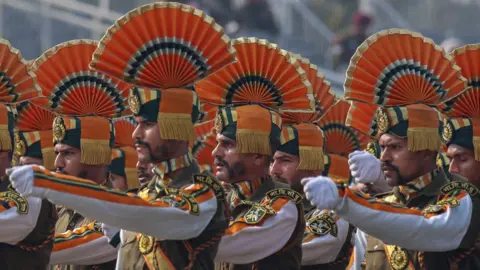
India will mark its 77th Republic Day on 26 January, celebrating the adoption of its constitution and its emergence as a republic. The grand parade will see military displays and cultural showcases along New Delhi's Kartavya Path.
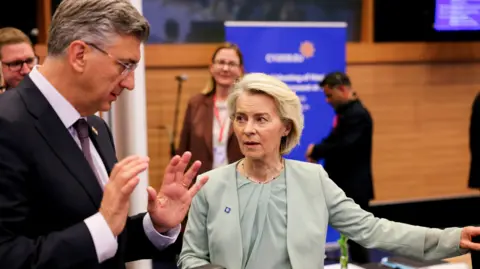
This year, European Commission President Ursula von der Leyen and European Council President António Costa will be attending as chief guests, placing the European Union prominently in India's diplomatic spotlight.
The choice of guest reflects India's priorities in its foreign policy, indicating an intention to strengthen ties with the EU during a period of significant international relations re-evaluation. The invitation is seen as a strategic move amidst ongoing global trade discussions.
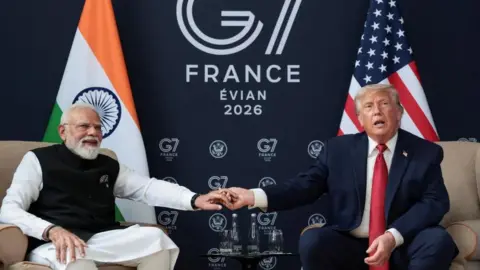
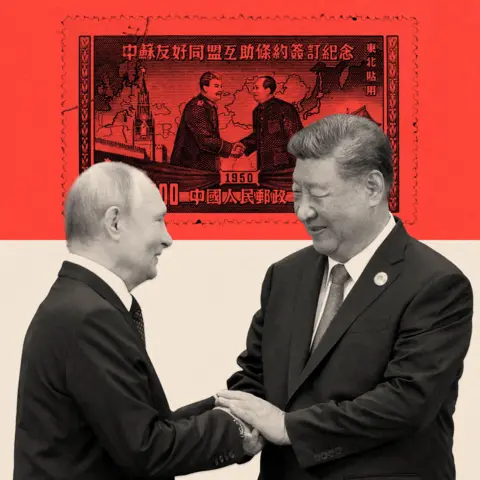
The Republic Day parade is not only a celebration of India's diversity and democratic values but also a potent indicator of the nation’s diplomatic stances. Since the tradition began in 1950, the selection of chief guests has illustrated India's shifting alliances and the importance of various global relationships at any given time.
As foreign policy analyst Harsh V Pant notes, this year's guest list highlights India’s commitment to enhancing engagements with European partners, suggesting the potential announcement of a trade deal that reflects shared geopolitical interests.
The significance of the Republic Day extends beyond mere pageantry; it encapsulates India's journey from its colonial history towards a position of international prominence, symbolizing both unity and strength in diversity.