A year ago, the war that President Bashar al-Assad seemed to have won was turned upside down.
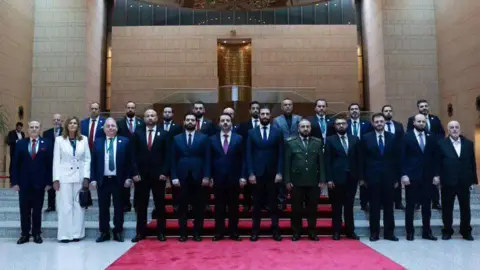
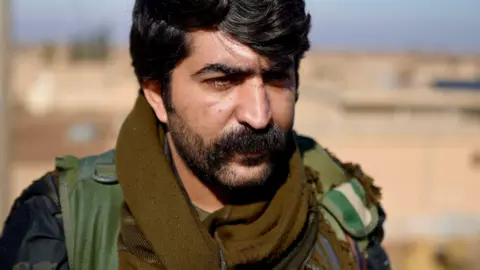
A rebel force, led by Abu Mohammed al-Jolani and his militia, had broken out of Idlib, starting a chain of events that led to Bashar al-Assad's exile in Russia. This narrative of upheaval highlighted a transition from a regime that inflicted severe oppression to new, albeit uncertain, governance under interim president Ahmed al-Sharaa.
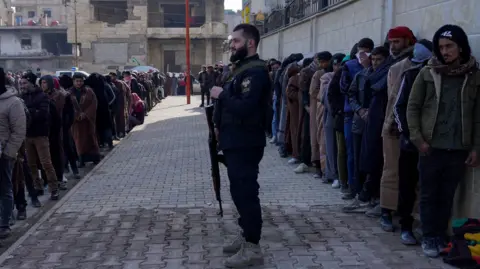
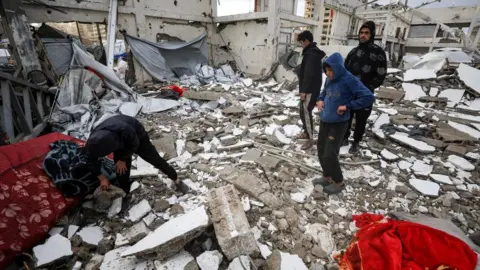
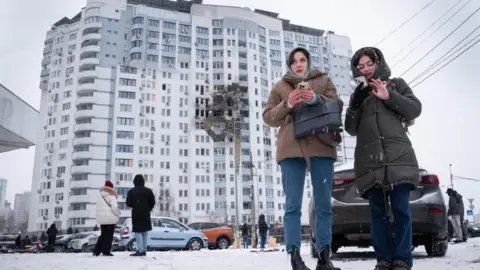
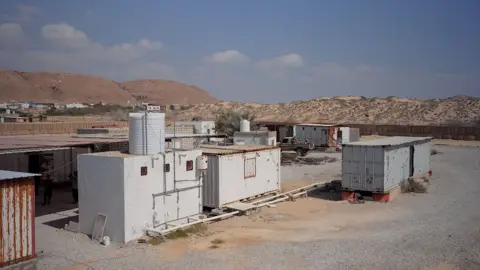
Despite the absence of the Assads' authoritarian rule, Syria remains in disarray. Reports from cities reveal people living in skeletal structures stripped bare by war, suggesting that while the heavy yoke of Assad’s reign has been removed, the new challenges may be even more complex.
Zoning in on the internal pressure within Syria, Sharaa is faced with discontent from various groups, including the Kurds and Druze, who assert their independence and represent significant portions of the population. His ability to govern effectively is hampered in regions outside his control, raising concerns among the Alawite community regarding potential retaliatory violence from historical grievances.
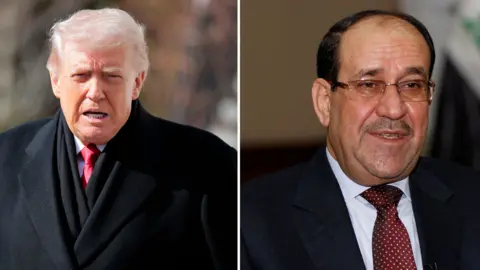
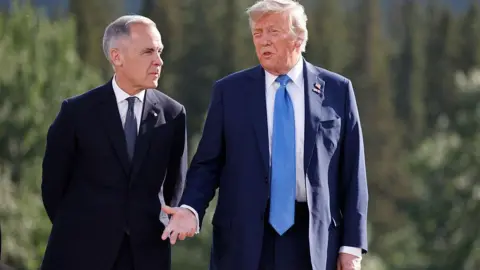
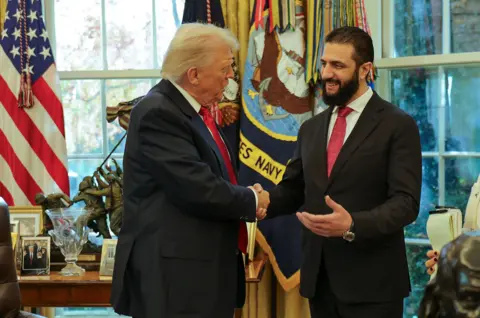
Moreover, Sharaa has successfully engaged with leaders such as US President Donald Trump, who has expressed support, leading to a gradual reduction of sanctions against the new regime. However, the reality on the ground is starkly different: economic reconstruction remains largely in limbo, unresolved sectarian tensions lurk, and the specter of violence is omnipresent.
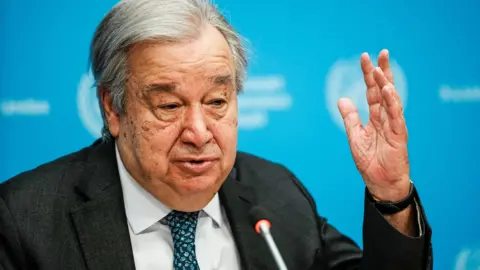
The UN's human rights office has expressed alarm concerning the slow pace of justice for past offenses, while recent sectarian violence has shown the fragility of peace and the difficulties in transitioning from a regime built on corruption and oppression.
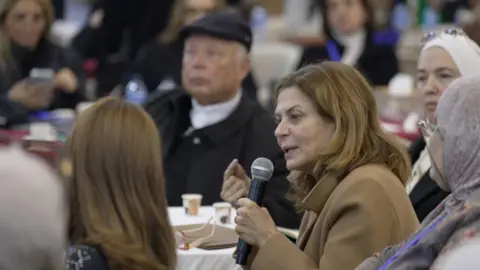
As Syria grapples with its identity in this post-Assad landscape, the voices of its citizens highlight the urgent need for security and infrastructure, underscoring fears and hopes alike for a stable and peaceful future.