In brief
This article discusses the recent health emergency declared in Colombia due to a yellow fever outbreak, detailing the number of cases, vaccination efforts, and the urgency of public health response.
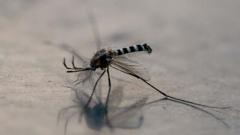
Colombia has issued a nationwide health emergency following a surge of yellow fever cases that has resulted in at least 34 fatalities. This viral infection, transmitted through the bite of infected mosquitoes, poses a significant threat, especially as the Easter holiday approaches—a time when many citizens travel to mosquito-prone regions. Health Minister Guillermo Alfonso Jaramillo reported a total of 74 confirmed cases in this current outbreak, highlighting a staggering mortality rate of nearly 50% among the infected. The government is urging citizens to get vaccinated, offering the vaccine free of charge, and is mandating proof of vaccination for travelers heading to high-risk areas.The most affected region is the eastern part of Tolima province, known for its scenic coffee plantations and as a tourist hotspot. President Gustavo Petro took to social media to caution unvaccinated individuals against visiting high-risk zones during the Easter period. Yellow fever symptoms can often be misidentified, complicating early diagnosis. According to the World Health Organization (WHO), while most individuals experience mild symptoms like fever and muscle pain initially, approximately 15% may enter a severe phase characterized by high fever, jaundice, and bleeding, leading to a grim prognosis.The WHO emphasizes the importance of vaccination, urging people, especially those traveling to affected regions, to protect themselves against this potentially deadly disease.