In brief
Polish voters are preparing for a significant shift in political dynamics as they head to the polls, potentially signaling a second round between the leading candidates amid widespread dissatisfaction.
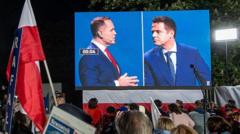
The upcoming presidential elections in Poland promise to be unprecedentedly competitive, with two frontrunners likely heading into a runoff on June 1st. Current opinion polls indicate a neck-and-neck race between Rafal Trzaskowski, the liberal mayor of Warsaw, and Karol Nawrocki, a historian backed by the national-conservative Law and Justice (PiS) party. Trzaskowski, representing the center-right Civic Platform (PO) led by Prime Minister Donald Tusk, holds a slight lead in polling, with Nawrocki trailing by a few percentage points.The significance of this election is amplified by the fact that the winner will hold substantial veto power over government legislation, especially vital given that Tusk's coalition lacks a parliamentary majority strong enough to counter a presidential veto, something current President Andrzej Duda has effectively used in his tenure. Duda, after two five-year terms, cannot seek reelection, leaving an opened landscape for potential change.Critics have pointed to a sense of fatigue among the electorate regarding the long-standing dominance of PiS and PO, and many express frustration with what they perceive as a lack of substantive political progress. Tusk’s coalition, while ousting the PiS after eight years of right-wing governance, faces scrutiny for not delivering on key promises such as comprehensive reforms on women's rights and minority protections. In the lead-up to the election, issues such as migration policy, LGBTQ+ rights, and environmental legislation have become focal points of debate, with both candidates attempting to position themselves favorably amidst growing public concern. Voters like Miroslaw Kaznowski, a member of the Green party, reveal a discord with Tusk's coalition strategy, reflecting a yearning for a more progressive agenda that tackles social justice and environmental issues.Debates have intensified the rivalry, with Nawrocki attempting to publicly challenge Trzaskowski's commitments to LGBTQ+ rights—a move that drew varied reactions and revealed deeper societal divides. As the political landscape becomes increasingly polarized, many Poles express a desire for fresh perspectives beyond the historical two-party system that has shaped their governance for twenty years.With voices denouncing the limitations of traditional party choices, support has emerged for alternative candidates. Some, like far-right libertarian Slawomir Mentzen, initially gained traction appealing to younger voters but saw support diminish due to controversial stances on education and women's rights.Amidst these complex dynamics, many voters express a weariness towards the binary political options presented, highlighting a collective yearning for thoughtful, constructive discourse that can bridge societal divides. As Polish citizens prepare to cast their ballots, the outcome of this election could redefine not only the nation's leadership but also its sense of democratic engagement and public values moving forward.