
In brief
In response to soaring pollution levels that exceed health safety thresholds, New Delhi has announced the closure of all primary schools and a shift to online learning. Air quality in the capital has deteriorated to alarming levels, triggering health concerns among residents and raising questions about the effectiveness of existing pollution control measures.
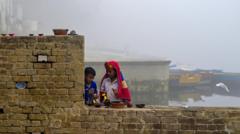
With hazardous smog engulfing New Delhi, officials have announced the closure of all primary schools in the capital city. Chief Minister Atishi Marlena Singh shared on X that classes will shift to online learning until further notice as the city's air quality reached alarming levels of pollution.Recent reports indicate that the air quality has deteriorated significantly, with fine particulate matter measuring over 50 times the safe limit established by the World Health Organization (WHO). Data from IQAir, a leading air quality monitoring organization, revealed that fine particulate matter (PM 2.5) levels averaged 254 micrograms per cubic meter of air on Thursday, starkly surpassing WHO's recommended safety level of 15. Meanwhile, larger particulate matter (PM 10) levels were reported at an astonishing average of 495, more than ten times the safe daily threshold.The onset of winter each year exacerbates the air quality situation in Delhi and surrounding areas, as low temperatures, dust, vehicular emissions, smoke from stubble burning, and stagnant winds combine to create dense smog. Reports indicate that residents have started experiencing serious respiratory issues and eye irritations amid the hazardous conditions.A study published in The Lancet earlier this year identified fine particulate pollution as a contributing factor in 7.2% of daily deaths in New Delhi, underscoring a dire public health crisis. Although there is hope that pollution levels may decrease in the coming days, they are expected to remain consistently unhealthy.In a bid to combat air pollution, Delhi authorities have implemented various measures, including the spraying of dust-suppressants on roads, a ban on non-essential construction activities, and stricter guidelines against burning coal. However, critics argue that these actions have had minimal impact on improving air quality.The extent of the smog has become so severe that it is visible from space, as evidenced by recent NASA satellite imagery displaying the pollution stretching over northern India and into neighboring Pakistan. Lahore, the capital of Pakistan, also shut down primary schools earlier this month due to dangerous air pollution conditions.As the situation persists, the urgency for comprehensive and effective responses to air quality management in the region remains a critical concern for both citizens and policymakers alike.


