
In brief
A collaborative Arab-led reconstruction initiative is emerging as a promising alternative to a U.S.-backed plan aimed at reshaping Gaza's future, amidst ongoing international debate.
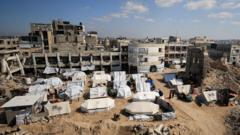
In a decisive move, Arab leaders are set to endorse a comprehensive reconstruction plan aimed at revitalizing Gaza during an emergency summit in Cairo. This 91-page blueprint, developed by Egypt and supported by Gulf states, is seen as a direct counter to President Donald Trump’s contentious proposal, which envisions displacing over two million Palestinians. The plan, marked by its sophisticated presentation and political undertones, stands out by emphasizing the rights and permanence of Palestinians within their homeland.Banners of transformation abound in Egypt's plan, aiming not only to restore what has been lost but also to ensure the retention of memories, heritage, and identity for those who call Gaza home. Rejecting Trump’s description of the territory as a "demolition site," the plan details a fresh approach to rebuilding not just infrastructure, but fostering a sense of dignity for its residents. The plan, coordinated with the Palestinian leadership and informed by World Bank and UN studies, asserts that any attempts to remove Palestinians would lead to further conflict and destabilization in the region. Such a stand reflects a collective Arab sentiment against forced displacements in the Middle East.Amidst the devastation—where a staggering 90% of homes are damaged—the urgency for a viable construction strategy has intensified. Trump’s recent social media posts, featuring an overly optimistic reconstruction vision, have further fueled the necessity for a credible and sustainable alternative.The Egyptian initiative draws on lessons from other war-torn cities globally and is supported by professional insights into sustainable development. However, the pressing question of funding looms large; estimates suggest around $50 billion will be needed for recovery efforts. Egypt is advocating for an international donor conference to rally support, while Gulf nations appear willing to contribute, contingent upon assured resilience against future conflicts.Key aspects of governance post-conflict are still being discussed, with proposals for a transitional "Gaza Management Committee" to oversee recovery efforts under Palestinian jurisdiction. As regional leaders consider the plan, the ongoing role of Hamas presents complexities, with divisions evident among Arab nations on how to engage with the group.As excitement builds around this newly framed vision for Gaza, the path to reconstruction remains fraught with challenges as stakeholders grapple with the interplay of politics, humanitarian needs, and the quest for stability in a historically turbulent region.

