In brief
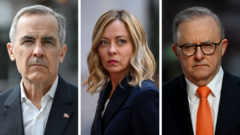
As world leaders react to President Donald Trump’s new tariffs on EU imports, international figures, including Italian Prime Minister Giorgia Meloni, have voiced strong objections. Meloni labeled the imposed tariffs “wrong” as Trump announced a sweeping 20% tariff on European goods set to take effect on April 9.
With an eye on the economic repercussions, Meloni emphasized the necessity of finding common ground with the US to avert a trade war. The Trump administration's announcement, dubbed “liberation day,” included a universal 10% baseline tariff on all imports, affecting around 60 countries, with particularly steep rates targeting smaller nations. Prominent leaders from EU countries chimed in as well; Spain’s Prime Minister Pedro Sánchez vowed to protect local businesses while Ireland’s trade minister echoed calls for negotiation over retaliation, labeling Trump’s decision as “deeply regrettable.” Outside Europe, Australian Prime Minister Anthony Albanese asserted that the American populace would ultimately face the fallout from these tariffs and pledged not to engage in tit-for-tat repercussions, insisting on a more measured approach to the unfolding situation.Significantly, the tariffs also impact key trade partners Canada and Mexico, although specific mention was absent from Trump’s announcement, raising concerns of prolonged economic challenges. Canada’s Prime Minister Mark Carney highlighted the damaging potential of the tariffs on Canadian workers and vowed counteractions, underlining how Trump's measures could transform the global trade landscape.Meanwhile, Brazil's legislature has taken a stand by approving a law to counteract the tariffs imposed by the US, with President Lula da Silva emphasizing that Brazil must remain proactive. Amidst these developments, US Treasury Secretary Scott Bessent cautioned countries against retaliation, warning that such actions could lead to increased tensions. As global leaders navigate the implications of these tariffs, the looming threat of escalated trade conflicts becomes increasingly palpable.