In brief
As 133 cardinals prepare to elect a new pope following the death of Pope Francis, the seneschal of an uncertain future looms over the Catholic Church, highlighting internal divisions and shifting priorities among the hierarchs.
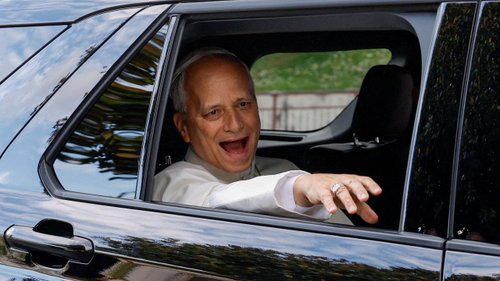
The Vatican is abuzz with anticipation as 133 cardinals prepare to gather in the iconic Sistine Chapel for an unprecedented papal conclave aimed at electing the next leader of over 1.4 billion Catholics. This conclave marks the largest assembly of voting cardinals ever seen, commencing just weeks after the passing of Pope Francis.The ambiance within the chapel is cloaked in secrecy, as cardinals will spend days voting in privacy for their preferred candidate. Tensions are palpable as these cardinals grapple with the church’s pressing challenges, including its future direction, financial strains, and a reckoning with persistent sex abuse scandals.Cardinals attended a solemn Mass at St. Peter’s Basilica on the morning of the conclave, providing a reflective start before heading to the Sistine Chapel to affirm their commitment to the votive secrecy essential to this age-old process. Many in the church are acutely aware that this election will significantly define the Catholic Church's trajectory in a time of profound global societal change and internal conflict.Cardinals are sharply divided on whether they prefer to continue in the spirit of Pope Francis, whose progressive reforms resonated worldwide, or revert to more traditional practices. The legacy of Francis—whose outreach policies included blessings for same-sex couples and emphases on environmental stewardship—continues to evoke passionate debates among the members of the College of Cardinals.In a historical reflection, only time will tell whether the next pope will forge ahead with Francis's vision or seek a different path entirely. Among the frontrunners reportedly attracting notable support are Cardinal Pietro Parolin, the Vatican’s secretary of state, and Cardinal Luis Antonio Tagle from the Philippines, both of whom represent contrasting approaches to future papal leadership.The conclave process dictates that should a consensus not be reached in the initial rounds of voting, cardinal electors must continue casting ballots until a two-thirds majority is achieved. This ritual underscores the profound weight of decision-making inherent in electing a successor to one of the world’s most influential religious figures.As the cardinals move forward, the key question remains whether they will largely embrace the change advocated by Pope Francis or gravitate toward a return to a more traditional ecclesiastical governance, signaling a pivotal moment for the Catholic Church amidst a rapidly changing global landscape.