In brief
As Santorini experiences a series of earthquakes, concerns mount about the potential decline in tourism this summer. With workers reconsidering their plans and hotel bookings dropping, the local economy finding stability amid tremors has become increasingly challenging. Hotel operators are rallying for government support, highlighting the urgent need for both immediate aid and long-term infrastructure improvements.
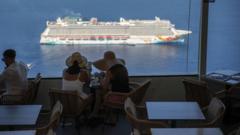
Santorini, one of Greece's top tourist destinations, is facing an unsettling summer as a series of earthquakes has shaken the island since January. Although February typically marks the beginning of the tourist influx, the ongoing seismic activity has caused a notable decline in bookings, prompting some cruise lines to reconsider their itineraries. "In the past two days, we have seen a drop in bookings, but we hope this will be short-lived," stated Antonis Pagonis, president of Greece's Association of Hoteliers, emphasizing the precarious situation for the industry.The island, which relies on seasonal workers to support its peak summer population of tourists, is currently grappling with uncertainty. Temporary workers from across Greece and beyond have begun to look for other opportunities this summer due to fears of decreased visitor numbers. Manos, a bartender who has worked on the island for the past five summers, expressed his concerns: "I’m worried there won't be enough tourists. If the season is weak, I might not make as much money."The ongoing tremors not only affect tourism but also hinder necessary construction work as hotel renovations are delayed, leaving operators concerned about meeting the demand come summer. Pagonis has called on the government to provide assistance to both current employees and those seeking summer work, making a case for financial support while construction is halted due to safety worries.While authorities hastily implemented emergency measures, including dispatching rescue teams to the region, many individuals in the tourism sector urge for further investments in Santorini's infrastructure, which is vital for the long-term stability of the local economy. Margarita Karamolegkou, a hotel owner, stated, "We have long been asking for improvements such as a new port." As Santorini contributes roughly 2.5% to Greece's GDP, generating around €5.9 billion annually, the stakes are high.No cancellations have yet been reported, but as hoteliers register a worrying trend of declining bookings, the prospect of a prolonged seismic crisis could have dire consequences. Prime Minister Kyriakos Mitsotakis acknowledged this concern during his visit, emphasizing the necessity of safeguarding Santorini's reputation as a prime travel destination. He assured that it is "our duty to protect it, preserve its reputation, and ensure that 2025 is another excellent year for tourism."While Karamolegkou remains optimistic, recognizing the challenges ahead, she admits that avoiding delays in hotel openings depends on how the seismic activity evolves. "I am confident that even with fewer staff, our services will remain exceptional," she concluded, embodying the resilience that characterizes Santorini and its community amidst uncertainty.