In brief
In Spain, an elite police unit is combating sex trafficking not only through rescues but also by establishing enduring relationships with victims. Their holistic approach, led by officers like Cristina, enables individuals such as Victoria, a survivor of severe abuse, to reclaim their lives and find safety, demonstrating the transformative power of compassion and support.
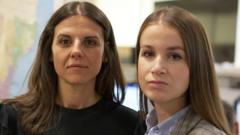
Cristina and Lidia, two dedicated members of a specialized police unit in Spain, have made it their mission to provide ongoing assistance to women who have escaped the grips of sex trafficking. Years after they rescued a woman identified as "Victoria," the bond between them remains strong, exemplifying the transformative impact of their work.Victoria's journey began in Colombia, where she faced a childhood marked by tragedy. Following her father's disappearance and her mother's remarriage to an abusive man, she sought to support her siblings by taking a supposed cleaning job in Spain. Regrettably, this was a trap, leading her to relentless exploitation in a sex trafficking ring.Her harrowing story is not uncommon; many victims find themselves trapped by the organized crime networks that induce fear and control. During her time in captivity, Victoria endured unimaginable abuse, forced to live in constant surveillance and submission. It was not until her rescue that she experienced a glimpse of hope—a moment she recalls vividly when she saw Cristina and her team rushing to her aid.Post-rescue, the role of Cristina's unit evolved from protectors to long-term supporters. They have provided Victoria with essential psychological support, guidance for education, and the crucial steps to ensure her family's safety from threats made by traffickers back home. Their efforts included legal assistance to reunite Victoria with her children, who had been targeted by the gang responsible for her suffering.The police unit, a part of Spain's Guardia Civil, emphasizes a victim-centered approach, prioritizing the well-being and integration of survivors into society. Led by Felix Duran, the squad is particularly notable for its high percentage of female officers—a factor that fosters trust and communication between victims and law enforcement.As the global landscape of human trafficking shifts, the United Nations Office on Drugs and Crime has reported alarming increases in trafficking cases, especially among women and children. The challenges are compounded by the post-pandemic environment, where many victims are hidden in private apartments, often beyond the reach of law enforcement. Cristina reflects on the profound impact of their work, stating, "We believe in a social and humanitarian process that can restore hope in victims' lives." Victoria underscores this sentiment, expressing gratitude for her rescue—a second chance at life that she cherishes deeply.For many survivors like Victoria, the road to recovery is long, but with ongoing support, they can rebuild their lives, rediscovering their sense of freedom and inner strength. The narrative showcases the resilience of trafficking survivors and the essential role of compassionate law enforcement in their healing journey.