
In brief
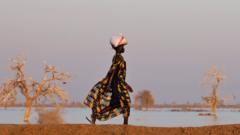
As severe flooding—worsened by climate change—submerges Unity State, South Sudan, families rely on dangerously contaminated water sources linked to nearby oil production. Local herders and residents report serious health issues and abnormalities among livestock and newborns, raising critical alarms on the impact of oil pollution on both humanity and the environment.
Despite their resilience and hopes for a return to normalcy, droughts could render parts of South Sudan uninhabitable in the near future if the situation does not improve.---In the heart of South Sudan’s Unity State, herders struggle to find clean water amidst rising floodwaters and oil pollution. "The water is dirty because this place has oil - it has chemicals in it," explains Chilhok Puot, a community chief, as women toil to provide for their families in the shadow of oil fields. Local residents acknowledge the negative effects of drinking contaminated water, calling it a poison while admitting they feel “dying of thirst.”David Bojo Leju, a former oil engineer, emphasizes the dire situation. He reports how floods—intensified by climate change—are washing pollutants into vital water sources. Large areas of Unity State have been submerged for years, with 40% still underwater today, decimating food supplies and access to potable water. The region's reliance on oil revenue and longstanding mismanagement of oil facilities turn a pressing disaster into a chronic crisis.Recurring oil spills, inadequate treatment of produced water, and increasing environmental concerns are alarming. "The question is where does water flow?" Bojo asks, pointing out that without intervention, contaminated water is making its way into the very sources people depend on for survival.Despite heavy rains leading to tragic cattle losses and visible health impacts on the cattle, many in Roriak have resorted to chopping trees for charcoal to sell, navigating floodwaters for polluted water. Health professionals warn against the surging reports of congenital abnormalities possibly linked to environmental toxins. A doctor in Bentiu hospital notes a newborn's facial deformities, suggesting a possible connection to water pollution, although systematic health data remains lacking.Many South Sudanese citizens reside in camps for displaced people, where access to clean drinking water is nearly impossible. Less than optimal conditions provoke desperate measures, like boiling tainted water to stave off thirst—even though it leads to sickness.Significant political figures, like Mary Ayen Majok, have long raised concerns about pollution stemming from the oil industry, attributing it to a legacy of poor practices inherited following South Sudan's independence. Yet, accountability for environmental negligence remains weak amidst ongoing conflict and economic dependency on oil.As conditions worsen, scientists are unsure whether Unity State's floods will recede, raising concerns for the long-term viability of such areas. David Bojo Leju, now in exile, remains committed to advocating against these injustices, despite personal risks. He fears that silencing the issue of oil pollution is tantamount to jeopardizing the very health of an entire population.Despite daunting challenges, hope persists among communities as they dream of returning to traditional agricultural life once the floodwaters subside. Nearby, an elderly woman grinds water lily roots next to rising waters, expressing her desire to cultivate grain again. Yet, without a significant change in governance and environmental responsibility, future living conditions for millions hang in the balance.
