In brief
In the upcoming election, Florida's Amendment 4 could significantly reshape abortion access by extending the allowable period for abortions to 24 weeks or later in cases affecting the patient's health. With a closely divided electorate, the outcome may greatly influence the future of abortion rights in the state.
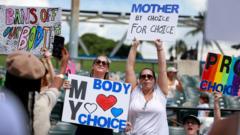
As voters in Florida prepare for a consequential election, they find themselves at a crossroads on the issue of abortion. At the center of this critical moment is Amendment 4, which aims to overturn the state's restrictive six-week abortion ban and expand access to 24 weeks of pregnancy. This amendment arrives during a time of heightened tension surrounding reproductive rights, following the Supreme Court's decision to leave regulation up to individual states. With early voting underway, many residents are carefully weighing their options at the ballot box.Betsy Linkhorst, 18, is among the first-time voters embracing the opportunity to impact this pivotal choice. "I’m voting yes for my rights," she stated, summing up the sentiments of many who feel the government should not dictate personal health decisions. Surveys indicate a majority of voters are leaning towards supporting Amendment 4, yet to pass, it must secure at least 60% approval, a tall order in a state with conservative leanings.The backdrop to this electoral battle includes Florida's change in its abortion laws over recent years. Prior to the implementation of the six-week ban—a restriction that comes before many people even realize they are pregnant—Florida had been a refuge for women seeking reproductive health services. The new law, met with widespread criticism, has sparked protests and advocacy efforts across the state, with many calling for a repeal.Experts argue that if Amendment 4 manages to overcome the voting threshold, it would signify a substantial victory for the abortion rights movement. Kelly Hall, a strategist for abortion rights initiatives, expressed, “If we can succeed here, it sets a precedent for further ballot measures elsewhere.” This election cycle is particularly significant, being the first presidential election following the monumental changes in abortion legislation nationally.The stakes are high for both major political parties, as the issue resonates far beyond Florida's borders, potentially affecting voter turnout in broader battleground states like Arizona and Nevada. Democrats are hopeful that pushing for reproductive rights will incentivize turnout among their base—an approach that yielded positive results in previous elections.Republican figures, including Governor Ron DeSantis, have mounted significant opposition to Amendment 4, framing it as a radical change that could empower minors to seek abortions without parental consent. Such claims have been met with mixed reactions from the electorate, illustrating the deep divides that still characterize opinion on abortion in the U.S.In a state where voter sentiments are often polarized, individuals like Nancy Collins remain staunchly opposed to expanding abortion access, citing personal faith as a guiding force in her voting decision. On the other hand, voters like Jonel Jones, while identifying with Trump, have expressed nuanced views on the importance of abortion-related healthcare. As Florida’s polls open, the implications of this ballot measure echo across the nation, offering a window into the evolving discourse on women's rights, health, and autonomy. The results of this election will be pivotal, not only for Florida but for the national conversation surrounding reproductive health and civil liberties.