
In brief
In a significant diplomatic push, U.S. President Donald Trump has urged Turkey to cease its imports of Russian oil, labeling it the best course of action for Turkish President Recep Tayyip Erdogan. This plea comes as the U.S. seeks to diminish Russian energy funding in light of the Ukraine crisis. Despite the absence of definitive commitments concerning sanctions or F-35 fighter jet sales during a White House meeting, Trump expressed optimism about improving U.S.-Turkey relations. Meanwhile, Turkey continues to maintain substantial energy ties with Russia, complicating diplomatic efforts.
In a crucial meeting at the White House, U.S. President Donald Trump has called on Turkey to halt its oil imports from Russia, emphasizing that ceasing these purchases would be the best thing for Turkish President Recep Tayyip Erdogan to do while the war in Ukraine continues to escalate.
Speaking alongside Erdogan, Trump expressed his belief that Turkey can leverage its unique position as one of Russia's significant oil customers to influence the situation in Ukraine. He stated that stopping oil and gas imports from Russia would be a meaningful contribution to ending the conflict.
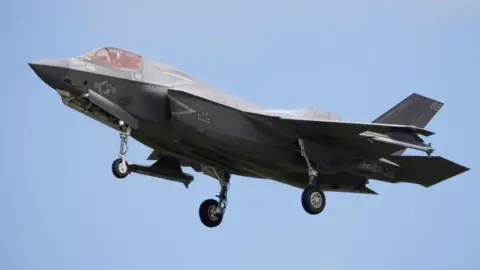
The encounter did not result in any solid agreements regarding the lifting of U.S. sanctions on Turkey or the sale of advanced F-35 fighter jets. Trump, however, voiced optimism about resolving these issues, indicating that Erdogan might soon acquire the desired military equipment while sanctions from 2020 could be lifted if the talks went well.
Turkey, which has been relying heavily on Russian energy, has seen its imports of Russian gas surge, increasing by over 26% this year. The U.S. has continuously pressured its allies, including Turkey, to reduce their dependence on Russian energy as part of collective efforts to cripple Moscow's funding in the wake of the ongoing invasion of Ukraine.
Trump's comments come after tense discussions and preceding statements where he threatened to impose tougher sanctions on Russia if certain conditions were met by NATO allies. Erdogan, for his part, remarked that the F-35 ban was not suitable for a strategic partnership between the U.S. and Turkey, reflecting the nuanced and complex relationship between the two nations.

