
In brief
Recent negotiations between US and Russian officials indicate a potential pivot towards engagement, raising concerns about Ukraine's future.
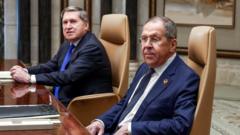
Recently, the international stage witnessed a significant moment as senior Russian and American diplomats convened at a negotiating table, marking what many would consider an extraordinary event given the context of ongoing conflict in Ukraine. For Ukrainians, this development likely feels unsettling, especially against the backdrop of relentless air raid sirens that continue to echo across their homeland.In Saudi Arabia, Russia made a notable comeback. After facing three years of war and subsequent isolation from the West, it not only re-entered the global diplomatic arena but appeared to do so on its own terms. This image of a resurgent Russia is strategic; it seeks to portray itself not as a defeated nation but rather as a key player capable of directing the course of negotiations.US officials, entering the talks with the intent of ascertaining Russia's willingness to pursue peace, had their own interpretations. Notably, former President Donald Trump suggested after speaking with Russian President Vladimir Putin that the Russian leader was interested in averting further loss of life. Rather than pushing for troop withdrawals, Trump seems inclined towards negotiating a settlement with Moscow, aligning with his electoral promises.Following a lengthy discussion in Riyadh, US Secretary of State Marco Rubio confidently announced that the initial groundwork for negotiations was laid and that both parties would establish teams to push discussions forward. Rubio expressed optimism about Russia's readiness for serious discussions, though skepticism abounds given the context.Across the negotiating table, Russian Foreign Minister Sergei Lavrov was openly engaging in a different narrative. During a session with Russian media, he reported on the US's proposal for a moratorium on targeting energy infrastructure in Ukraine, categorically denying any threats to civilian supplies while asserting that Russian strikes solely targeted military uses. However, this position is contradicted by numerous reports of civilian sites being hit by Russian missiles.The implications of these discussions are troubling for Ukraine's allies. With the US administration appearing to concede that Ukraine will not join NATO and expressing uncertainty over the restoration of occupied territories, the dynamics could lead to a precarious outcome for Ukraine. The discussions have even included potential economic opportunities, raising alarms that easing sanctions might equate to overlooking Russia's aggressive actions.While it is early in the negotiation process and no concrete agreements have been reached, the optics of US and Russian officials gathered at the negotiating table underline a profound shift in global politics. For Russia, this represents a coveted return to the diplomatic limelight—as a peer of the US—entwined with its ambitions in Ukraine.



