Zagreb, the capital of Croatia, is on a mission to establish itself as the host of Europe's best Christmas market, using the festive season as a tool for economic growth and tourism diversification. Christmas markets are not just festive traditions in Europe; they are crucial revenue sources that significantly boost local economies every December.
The allure of Croatian tourism may often evoke images of sun-kissed summer beaches, but the government is keen to flip this narrative. With over a fifth of its economy reliant on tourism, Croatia is actively promoting year-round visitation, particularly during winter. Tourism Minister Tonci Glavina emphasizes the transformation, stating, We are developing as a year-round tourism destination — we are not a summer destination anymore.
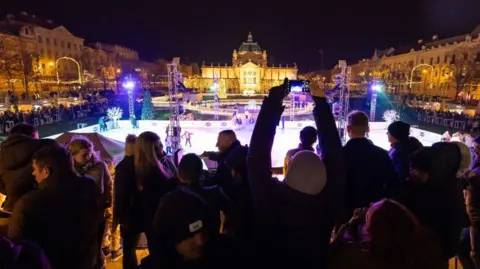
Zagreb Advent, the nickname for the city's Christmas market, exemplifies this effort, with promotions reaching as far as London and Milan. Special trains transport excited visitors from neighboring Slovenia and Hungary, embracing the festive spirit that fills the city.
The event spreads across numerous venues, turning Zagreb into a sprawling celebration of holiday cheer. The entire city has become a festive ground for celebrating Christmas throughout December, says event manager Slavica Olujic Klapcic. Each location boasts unique decorations and themes, making it a rich experience for visitors. In addition to traditional festive offerings, the market features multiple music stages, art installations, craft stalls, and an expansive ice rink.
Zagreb’s Christmas market has made strides since its inception in 2014, having been voted the best in Europe from 2015 to 2017. According to data, the December visitor count surged from over 100,000 in 2014 to more than 245,000 in 2024, generating substantial economic benefits.
However, Zagreb remains dwarfed by established markets like Cologne, which attracts around four million visitors, and Vienna's and Strasbourg's successful Christmas markets.
Despite its challenges, Zagreb Advent continues to attract attention, with visitors from across Europe eager to experience the festive allure. Local vendors see immediate returns as guests sample foods at the market and then visit their restaurants, highlighting the symbiotic nature of the holiday economy.
Overall, the development of Zagreb Advent reflects Croatia's commitment to diversifying its tourism offerings beyond the traditional summer-focused model, setting the stage for an evolving narrative of what Croatian tourism can be.