In brief
In a crucial confidence vote, French Prime Minister François Bayrou may lose his position, following a string of political instability in the country. Despite advocating for cuts to combat France’s growing debt, opposition lawmakers are united against him, risking another government shake-up. If Bayrou fails to secure majority support, France will plunge into another political crisis, complicating its economic recovery efforts.
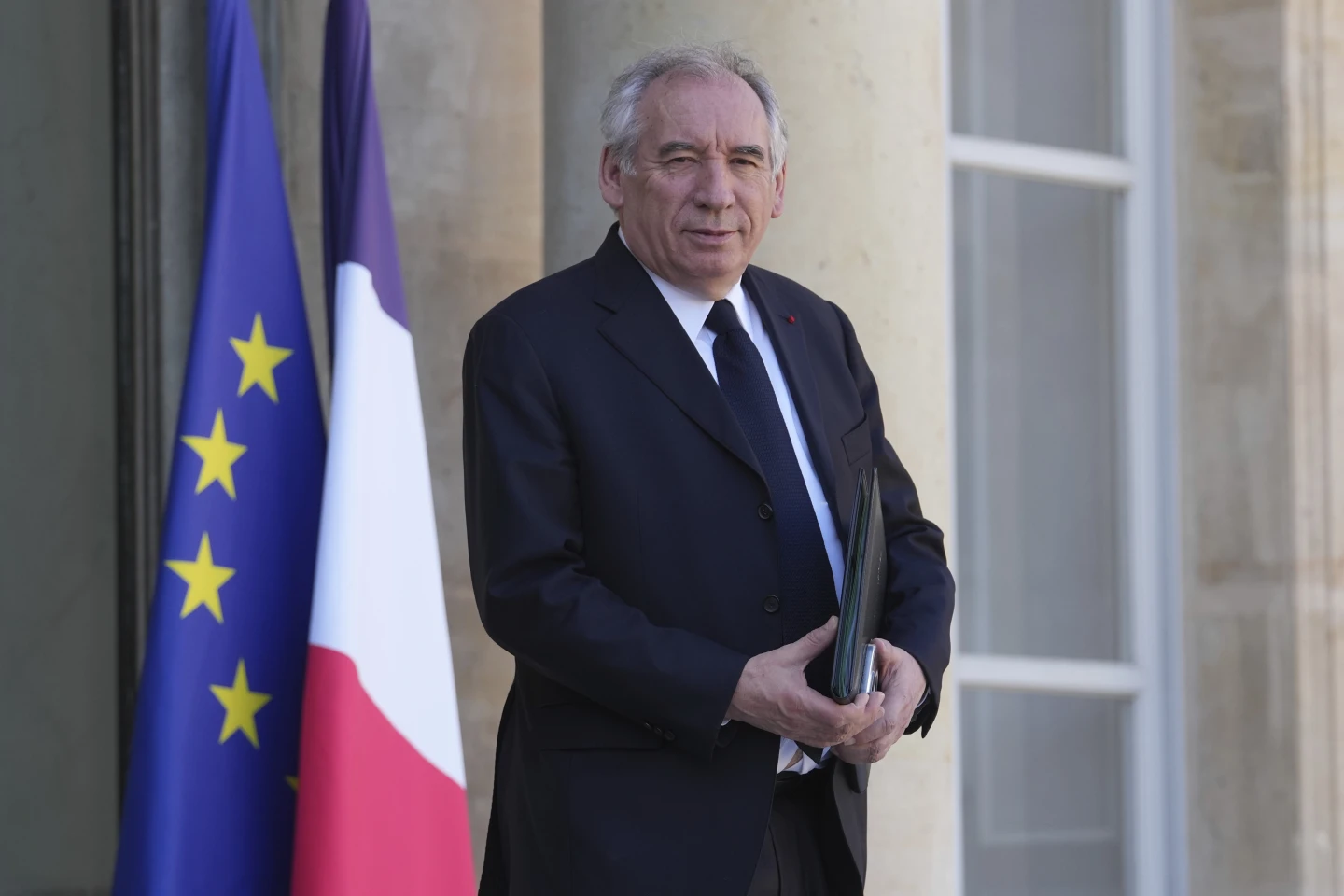
PARIS (Echosphere) — France is on the brink of losing its third prime minister in only a year, as Prime Minister François Bayrou faces a critical parliamentary confidence vote on Monday, which he himself called but is anticipated to lose. This scenario threatens further instability for the European Union’s second-largest economy.
The 74-year-old centrist was appointed by President Emmanuel Macron less than nine months ago, and is now gambling that the confidence vote will unify a sharply divided National Assembly around necessary public spending cuts to address France's escalating state deficit and debt.
However, opposition lawmakers are united in their efforts to topple Bayrou and his minority government—a coalition of centrist and right-wing ministers—potentially forcing Macron into another difficult search for a replacement.
A Critical Decision
The National Assembly will interrupt its summer recess for this extraordinary session, with Bayrou expected to deliver a speech arguing for fiscal responsibility. Lawmakers will then vote on whether to support or reject his government, with Bayrou in need of a majority to stay in power. A negative vote would necessitate his resignation, worsening the political landscape in the country.
Political Turmoil
Pushing for structural reforms, Macron’s decision to dissolve the National Assembly in June 2024 has led to a splintered legislature that lacks a dominant political bloc, rendering governance increasingly challenging. The uncertainties surrounding his administration have hindered Macron's domestic objectives as his centrist alliance struggles to establish a working majority.
The political instability witnessed under Macron's leadership has seen the swift rotation through prime ministers—now three in a single term—highlighting the interconnected nature of political maneuvering and legislative governance.
Frustrations and Future Challenges
Bayrou’s frustration is evident as he confronts a legislature where far-right and far-left lawmakers combine to form a formidable opposition, complicating his efforts for consensus on crucial budgetary issues. “What’s the point of bringing down the government?” he questioned, reflecting on the disorganized political landscape.
If Bayrou is ousted, the next prime minister will inherit the same pressing budgetary challenges exacerbated by high public debt levels—over 3.346 trillion euros, significantly above the EU’s stability criteria. Bayrou’s projections for budget cuts—44 billion euros in 2026—underscore the pressing need for economic reform as France confronts its severe financial state.
As the political landscape evolves, the imminent confidence vote will serve as a possible turning point for France, determining whether a new direction emerges from the uncertainties plaguing its governance.