Venezuela families accuse government of negligence over earthquake response
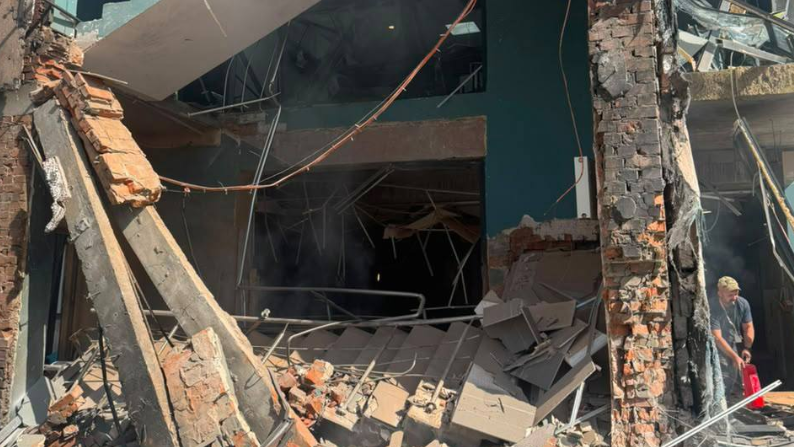
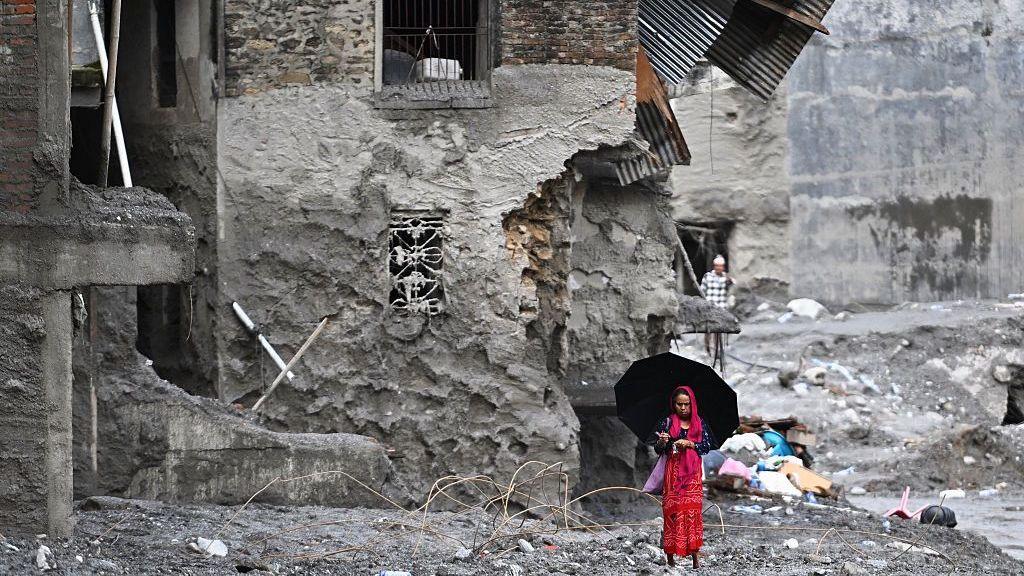
Two devastating earthquakes struck the coastal town of La Guaira on Wednesday, collapsing an entire high‑rise complex and leaving more than one thousand residents dead or trapped under rubble.
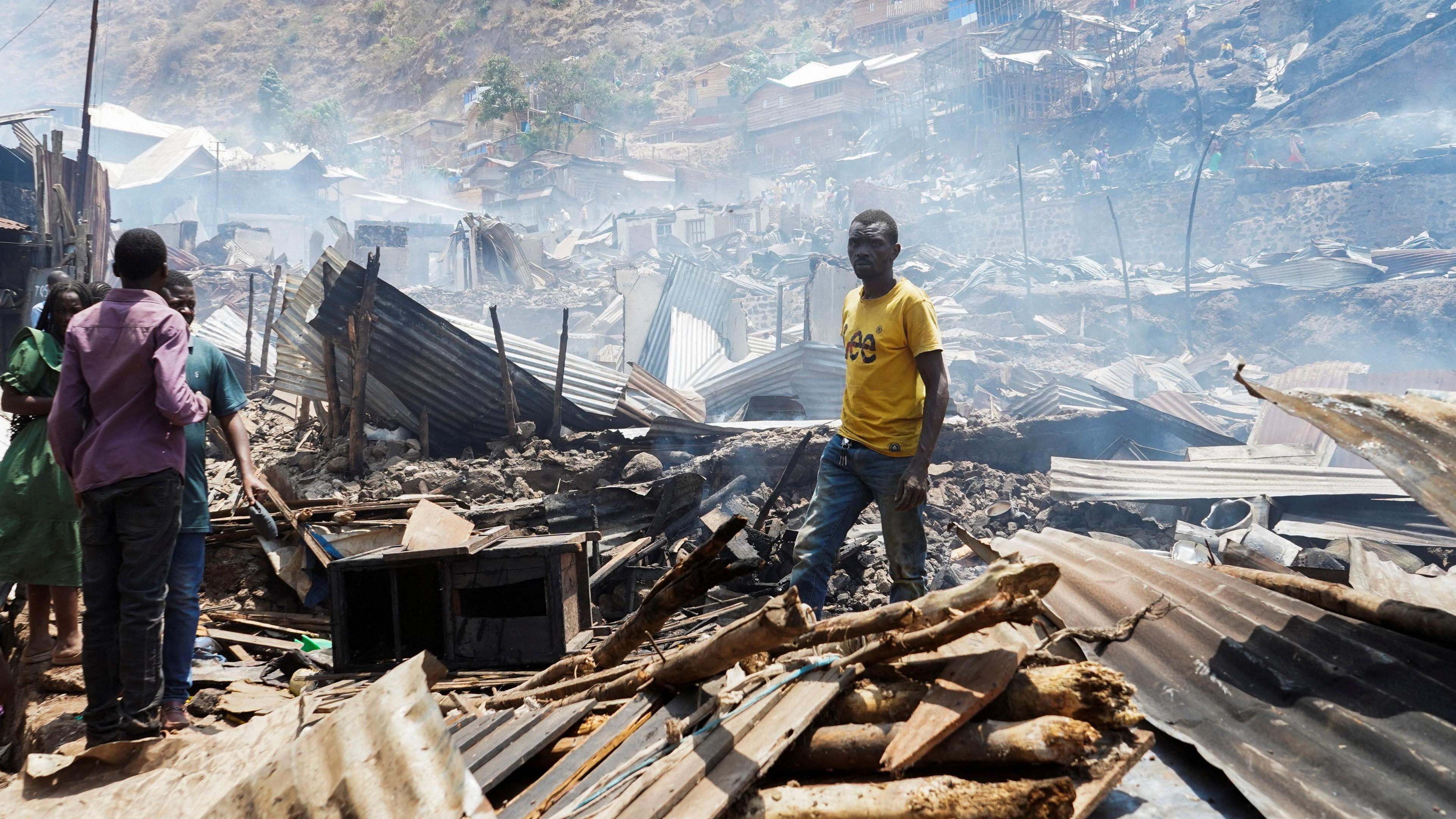
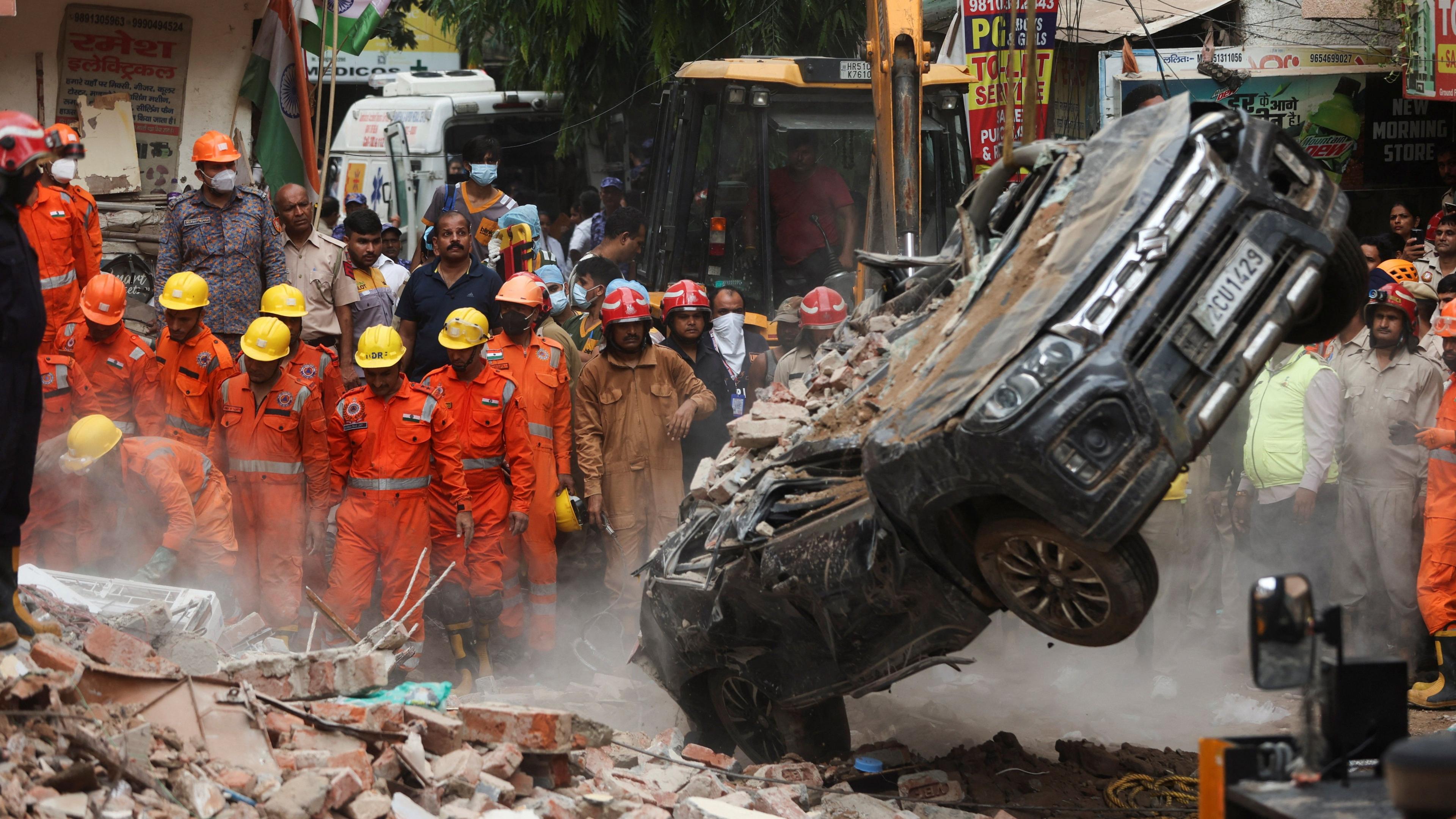
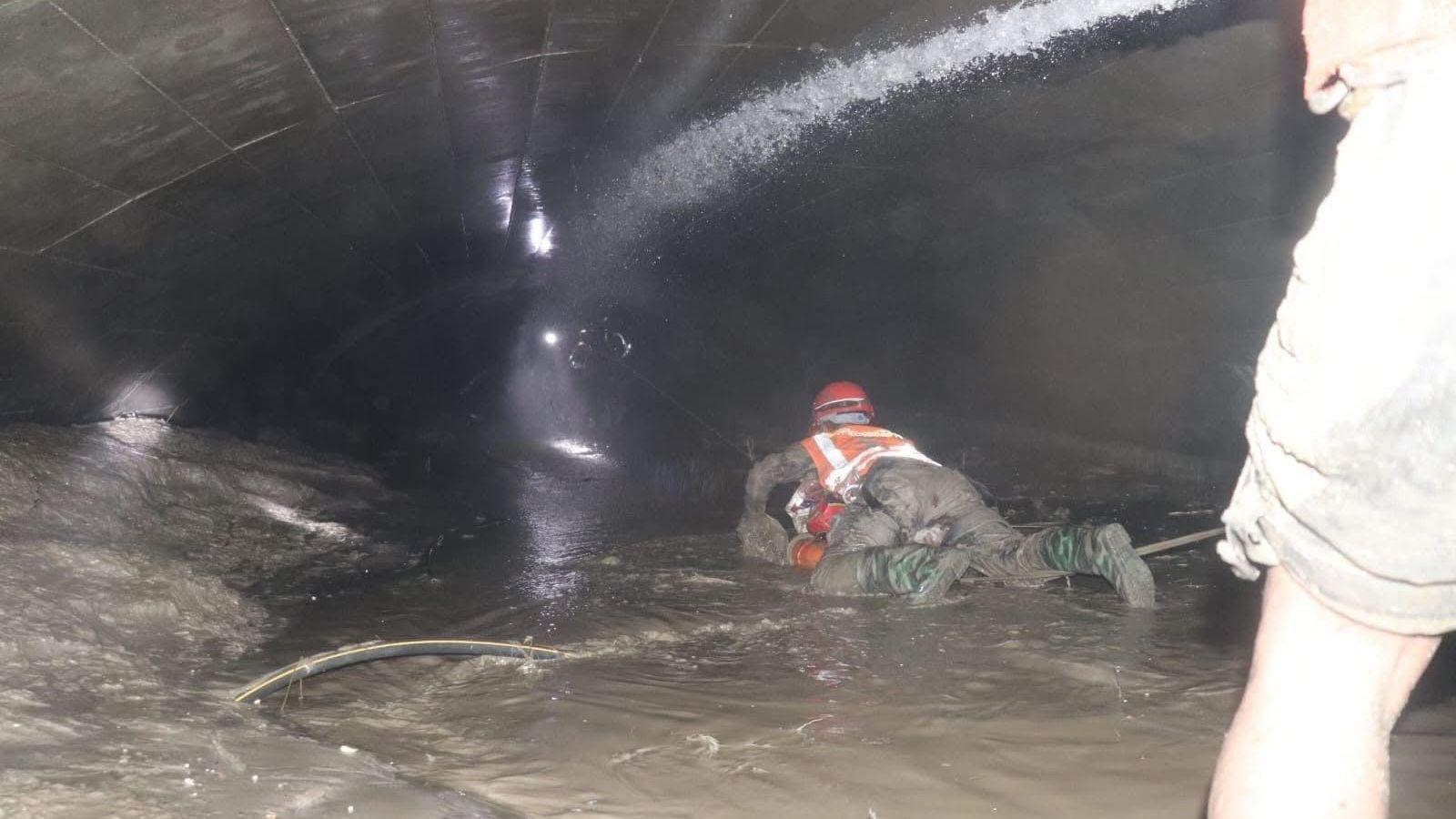
“My son is still trapped, and we need more support,” a grieving father shouted, as family members pressed on with heavy spades and homemade rakes while official teams waited for days.
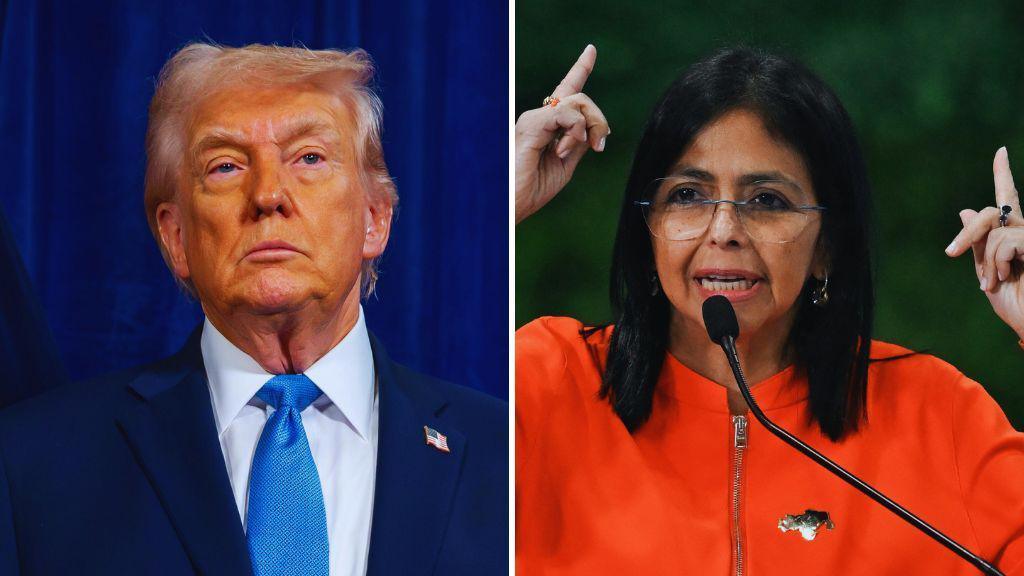
The interim president, Delcy Rodríguez, described the events as the “most brutal natural catastrophe” in Venezuela’s history. Yet the government’s emergency response has been criticized for its tardiness, with rescue crews from Colombia, El Salvador and the U.S. only arriving after almost two days.
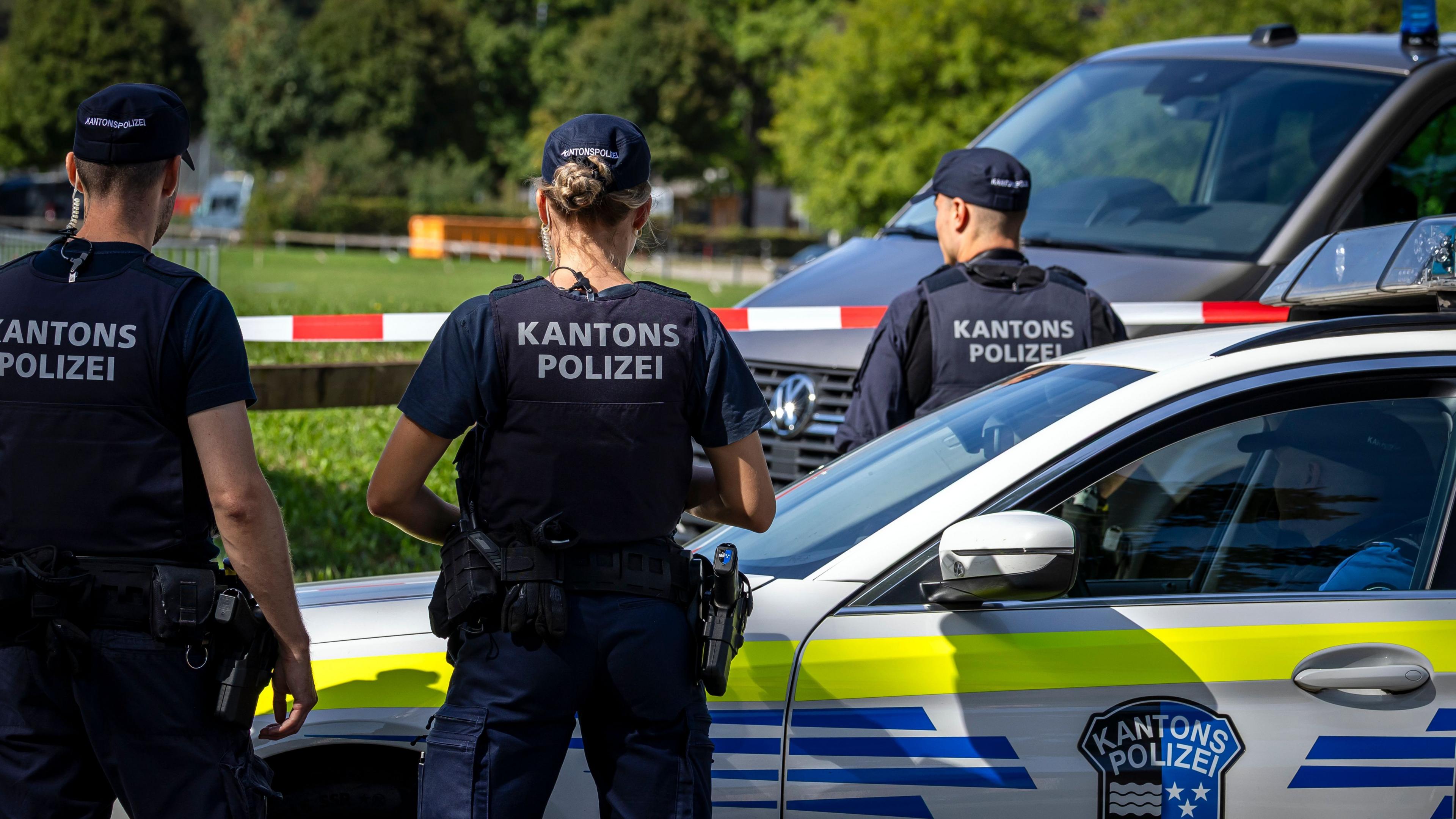
A spokesperson for the local police insisted that they had “checked” the site, but witnesses report they did not actively assist victims or clear debris. Local volunteers and families have reported “frustrating and impotent” responses from state‑run agencies.
In the hills behind the collapsed tower, residents like Juan Avendo and his nephew Enyer Musics spent the night clawing through rubble by hand, drowning in fear and hoping for flickers of life beneath the concrete. Their efforts highlight a growing need for rapid response technologies and community‑based training to reduce relief lag time.
With emergency supplies running low and the possibility that many victims will never be found, the Venezuelan public is calling on the government to adopt more resilient disaster‑management protocols, secure drone‑based mapping, and sound‑detection systems that can faster locate survivors.
As La Guaira rebuilds in a climate‑heavy region, the calls for better preparedness echo across Latin America—a reminder that natural disasters must be met with swift, community‑centric, and technology‑enabled solutions to save lives and shape a sustainable future.