
In brief
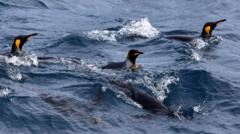
In an unprecedented move, the US government has implemented tariffs on the Heard and McDonald Islands, primarily inhabited by penguins and seals.
The US Department of Commerce has faced scrutiny after announcing tariffs on the Heard and McDonald Islands, a decision made to eliminate "ridiculous loopholes," according to Commerce Secretary Howard Lutnick. During an interview with CBS, Lutnick explained that the tariffs would dissuade potential trading loopholes that countries could exploit to gain access to the US market. The surprising move drew immediate reactions from Australian officials, especially its trade minister, Don Farrell, who labeled the imposition as a "clearly a mistake" stemming from a "rushed process." The islands, located approximately 4,000 kilometers from Australia, seemingly fall outside the realm of usual trade conversations. Lutnick responded to the confusion by emphasizing the necessity of including all territories in tariff regulations to prevent other nations from circumventing rules through these isolated locations. "If you leave anything off the list, countries that try to basically arbitrage America will use those routes to reach us," he stated, underscoring President Trump’s determination to eradicate these loopholes.The discussion surrounding the tariffs intensified as US stock indexes faltered, marking one of the steepest weekly declines since 2020. The practice of "transshipment," where goods are sent through one country to reach another, has raised concerns about transparency in trade, particularly regarding illegal shipments such as tuna and other marine species in the Pacific, as highlighted by the Pew Charitable Trusts.Though export data shows minor trade activity from the Heard and McDonald Islands to the US—reporting around $1.4 million in unnamed machinery and electrical products in 2022—the inclusion of these remote territories on Trump’s tariff list has highlighted questions around the effectiveness and rationale of current trade policies. In addition, the British Indian Ocean territory, which houses military personnel, was also included, exporting a modest $414,350 to the US last year. As the debate continues, the implications for international trade and environmental policies are under scrutiny, particularly regarding how these newly imposed tariffs will affect the fragile ecosystems of the islands and their inhabitants.


