
In brief
The Naga Forum for Reconciliation is leading efforts to bring home human remains, including skulls, that were taken from India during colonial rule. Following a recent UK auction of a Naga skull, the local community has intensified calls for repatriation, highlighting the urgency of addressing historical injustices and fostering cultural healing.
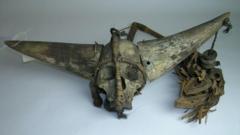
In a shocking turn of events last month, Ellen Konyak, a member of the Naga Forum for Reconciliation (NFR), discovered that an auction in the UK featured a 19th-century skull belonging to a Naga tribesman. The sale, organized by The Swan at Tetsworth, included the horned skull valued between £3,500 ($4,490) and £4,000 ($5,132) alongside other problematic artifacts, like shrunken heads from South America. Konyak described the auction as deeply insensitive and hurtful for her community, which has faced a history of colonial extraction of cultural assets.Protests erupted against the auction, prompting the chief minister of Nagaland to formally decry the act as "dehumanizing" and a form of "continued colonial violence." The auction house subsequently withdrew the skull from sale; however, it opened discussions about broader repatriation efforts. Scholars have estimated that UK museums hold approximately 50,000 Naga objects, with Oxford University's Pitt Rivers Museum housing the majority, including 41 human remains.Discussions concerning the ethical implications of possessing human remains have gained traction in recent years as museums reconsider their roles. The Pitt Rivers Museum had previously removed Naga skulls from public display, although the process for returning human remains remains complex. This involves extensive research to determine the ethical provenance of the items and navigate international regulations.In response to a lack of awareness among Naga elders about the presence of their ancestors' remains abroad, the NFR has launched a campaign called Recover, Restore and Decolonise, which aims to foster understanding and consensus within communities regarding the return of these remains. This encompasses not just legal and international considerations but also spiritual beliefs stemming from ancestral traditions.Despite the practical challenges, Naga representatives view the repatriation of skulls as a way to respect their history and narrative. Konyak emphasizes the significance of reclaiming not only physical remains but also the agency over their cultural heritage, confronting centuries of colonial dispossession. “We want them back as a mark of respect to our elders,” she asserts, as the Naga community navigates the intertwined complexities of logistic, historical, and spiritual dimensions in their quest for repatriation.

