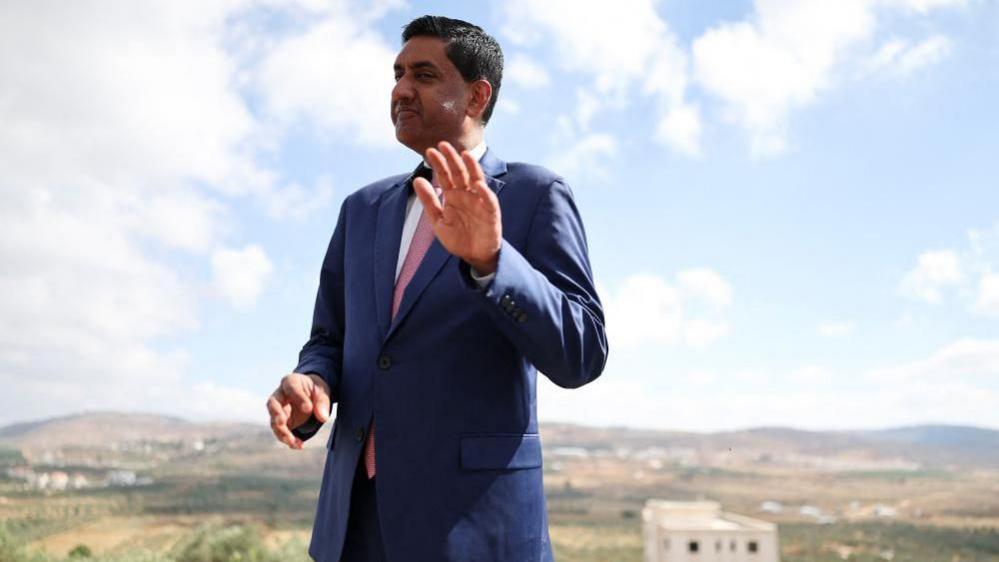
US Congressman Ro Khanna’s 90‑minute detention by armed Israeli settlers underscored how settlement expansion destabilizes both human and environmental communities in the West Bank.
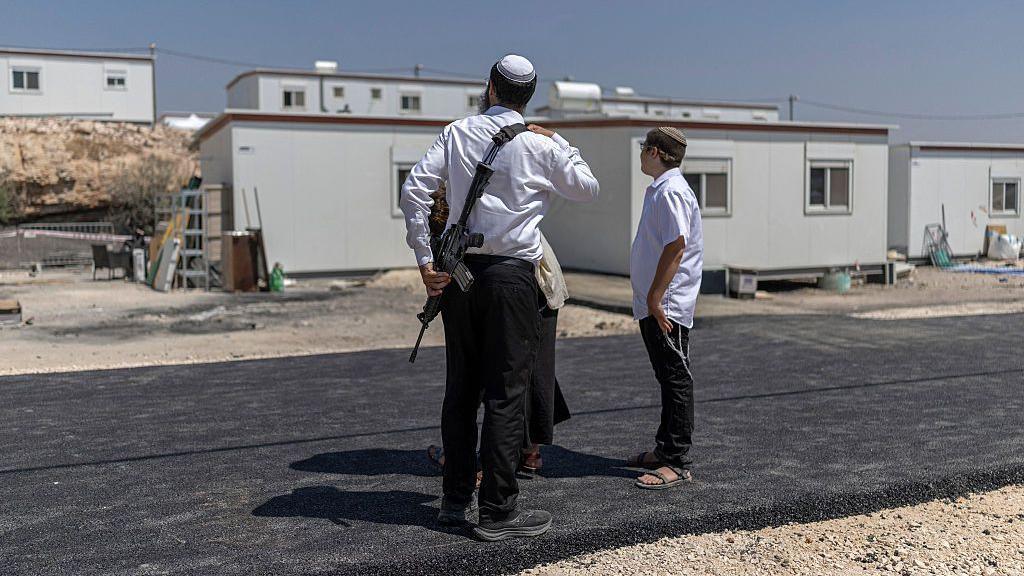
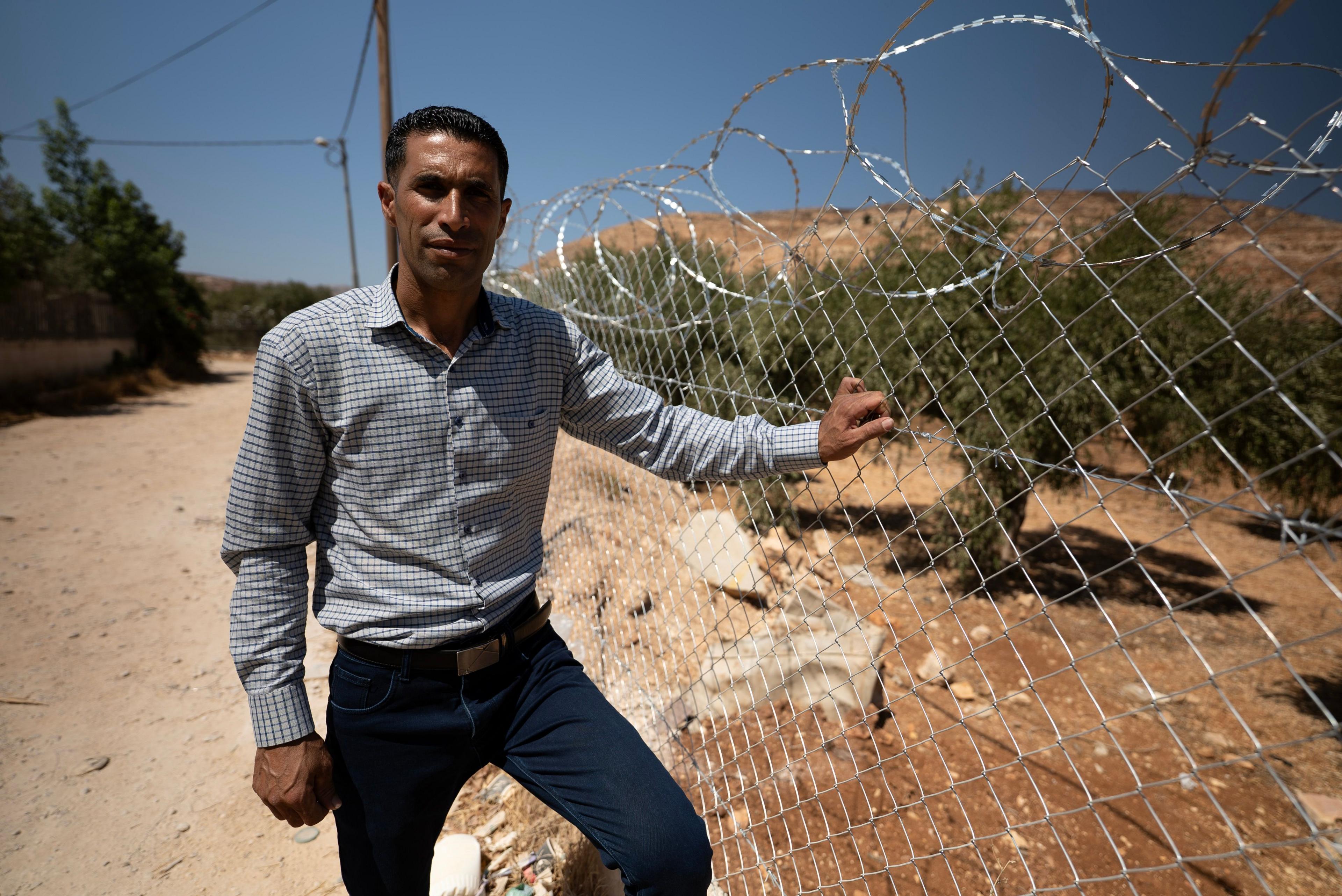
During a fact‑finding visit to the ruins of Khirbet Zanuta, Khanna and his team were surrounded by settlers armed with M4 rifles. The escorting Israeli Defense Forces (IDF) arrived but “sided with the settlers,” the politician wrote on X, revealing a tense clash that broke out after the settlement blockades. Khanna’s aides eventually received support from the US Embassy in Jerusalem, leading to a police intervention that released the U.S. delegate and his colleagues.
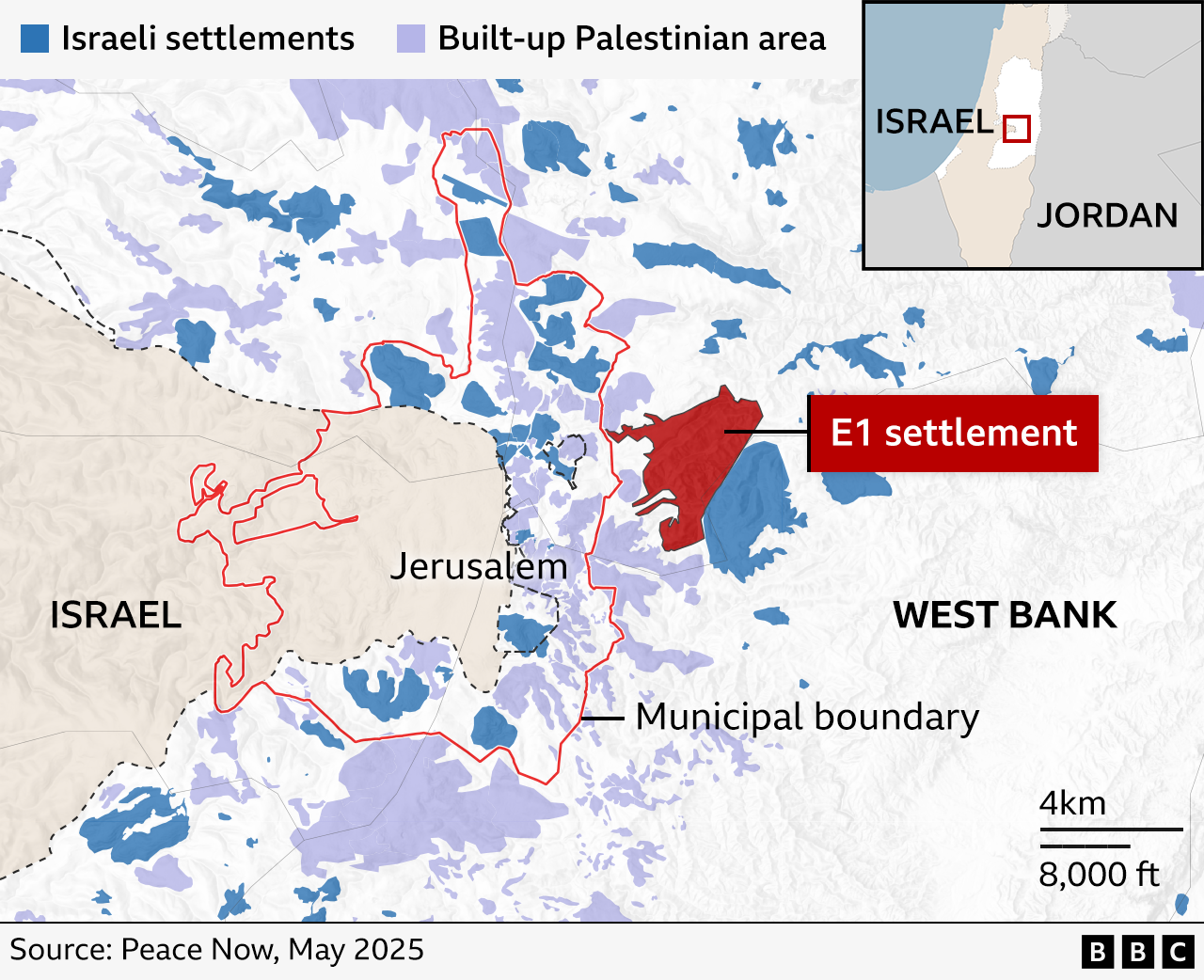
The incident highlights the broader challenges posed by Israel’s 160+ settlements, which house an estimated 700,000 Jews and lie within territories that Palestinians claim for a future state. The settlements’ expansion has accelerated water extraction, soil compaction, and habitat fragmentation—factors that undermine local ecosystems and inhibit climate‑adaptive practices such as agro‑forestry and water‑recovery projects.
The West Bank’s environmental degradation, driven by over‑pastoral use and unstable Judean ecosystems, amplifies global climate concerns. Scientists warn that continued settlement activity exacerbates albedo changes, reduces carbon sequestration, and destabilizes regional climate patterns that already threaten arable land.
In a broader context, the incident calls for a reassessment of how international agreements treat environmental stewardship amid geopolitical disputes. Advocacy groups argue that sustainable land use, regeneration projects, and adaptive community structures are essential for both justice and resilience, and that any settlement policy must account for these ecological realities.
Related Topics: Israel‑Gaza war, West Bank, Israel, Israel & the Palestinians, Palestinian territories