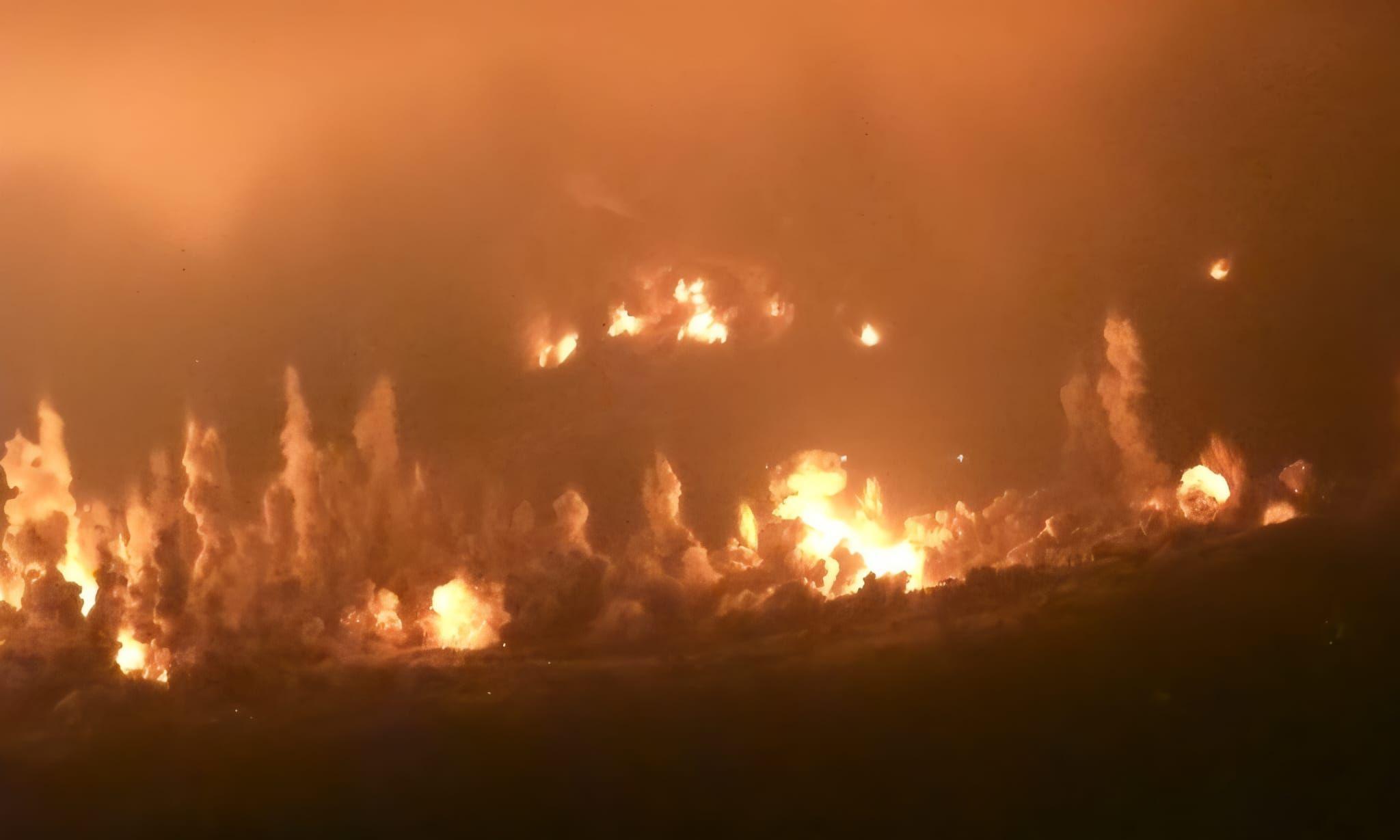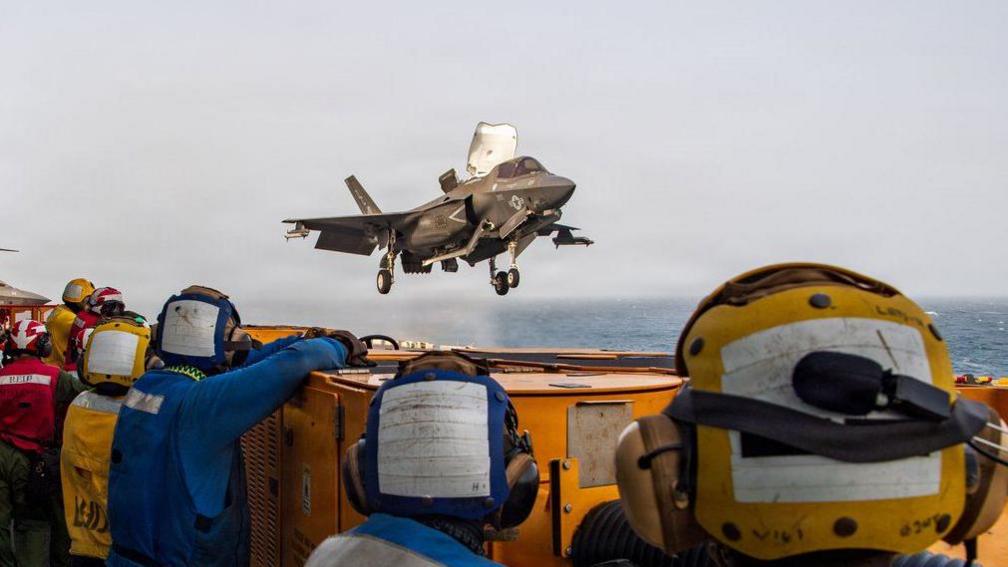
The US military has launched another round of strikes on Iranian targets, marking the 10th consecutive night of attacks aimed at crippling Iran’s ability to threaten shipping lanes across the Strait of Hormuz.
These attacks come after President Donald Trump vowed to punish Iran for the deaths of U.S. soldiers, promising a response that would “pay many times over.” Trump earlier said Iran was “very hard” hit in the previous night in honor of three U.S. soldiers killed recently – two in Jordan and one in Iraq – striking Iran’s military and communications sites.
Iran’s diplomatic channels are still open, with Tehran maintaining that it is engaged in “full‑scale war” with the U.S. amid the collapse of a ceasefire. At the same time, regional allies have responded: Jordan’s military shot down three Iranian missiles late on Monday, Kuwait intercepted Iranian drones, and Bahrain reported drone attacks that targeted its air navigation systems.
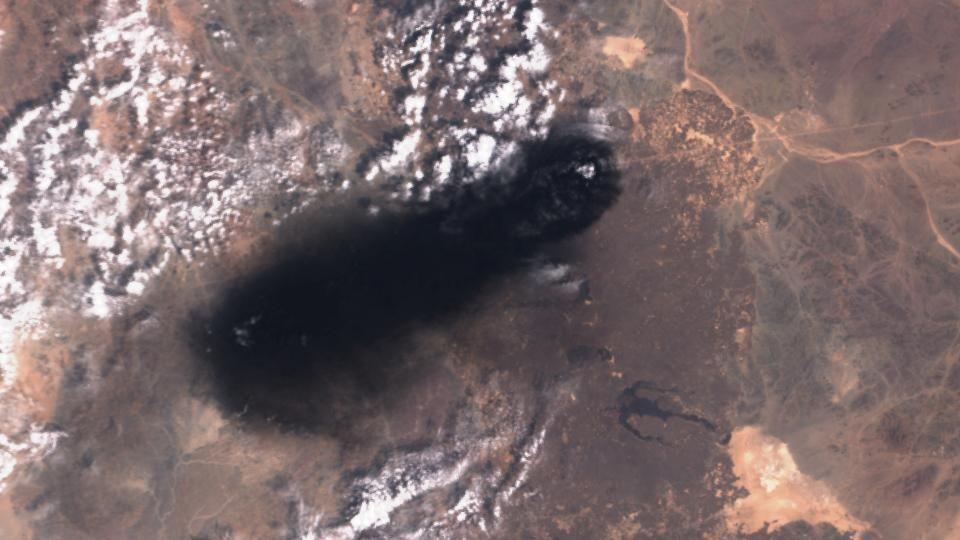
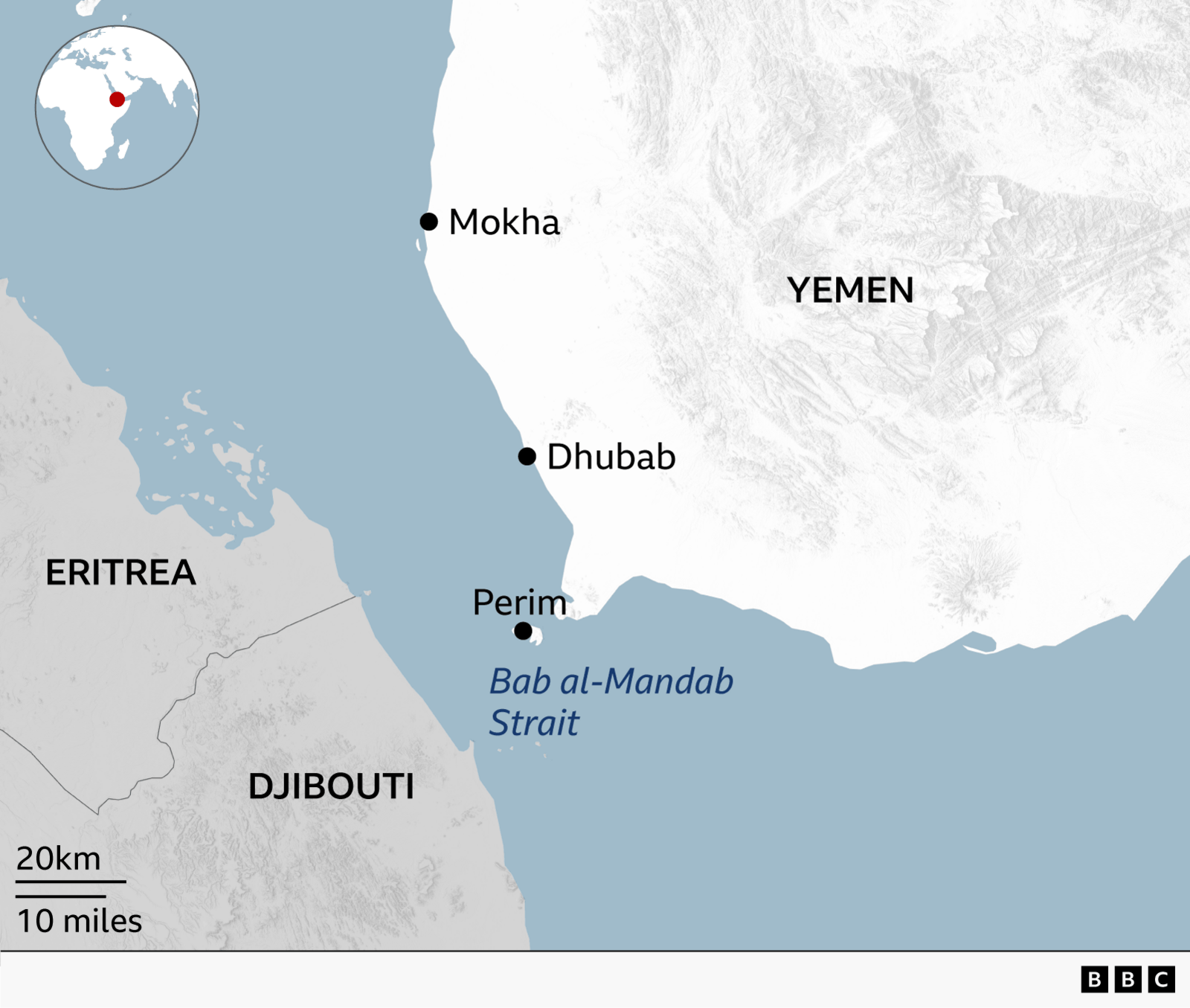
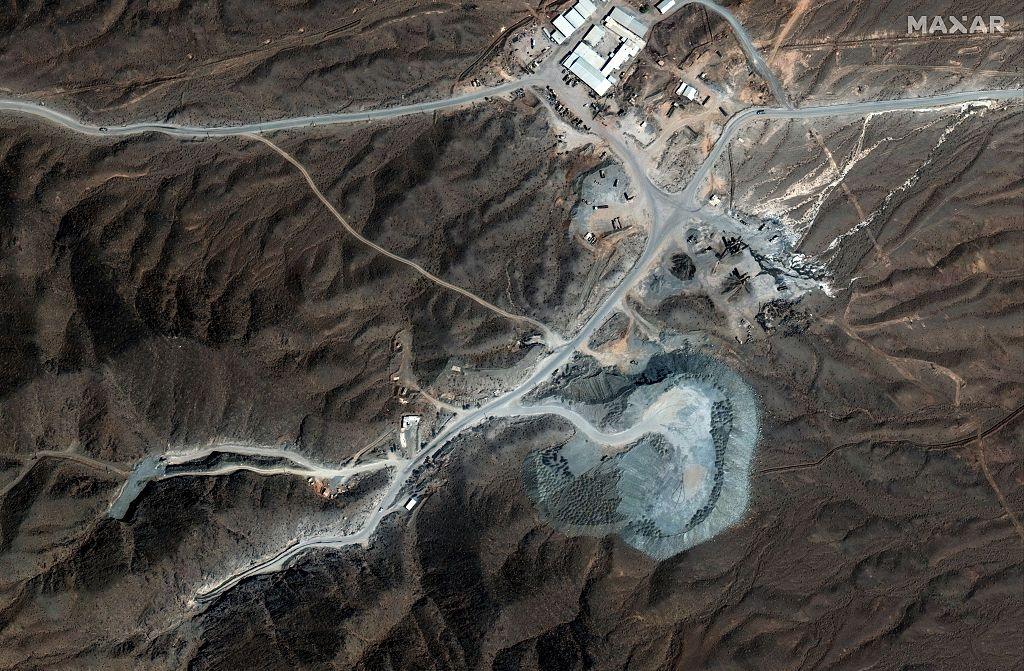
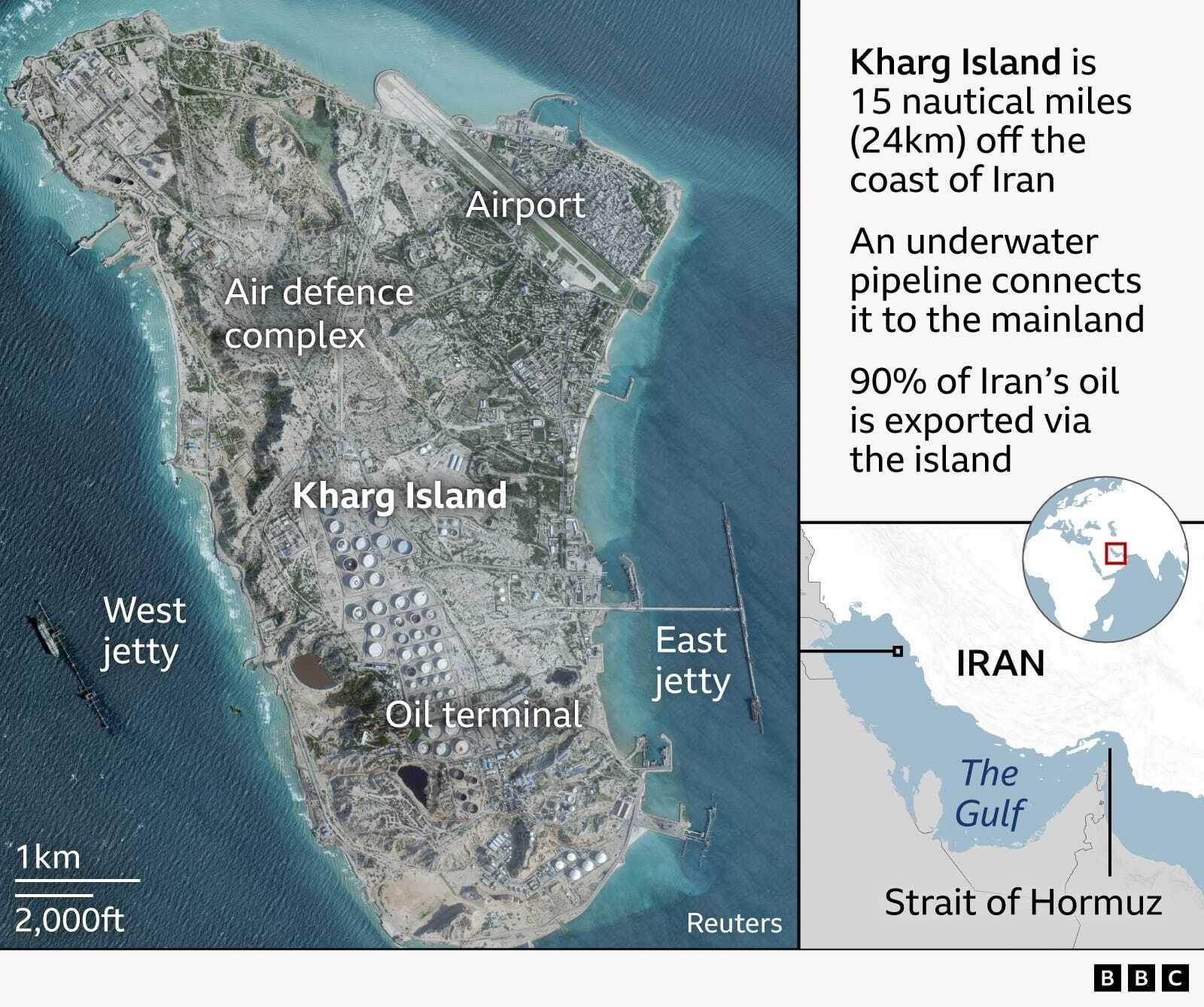
The U.S. strikes have reportedly hit Iranian sites in Tabriz, Chabahar, Konarak, Bandar Mahshahr and Bandar Imam Khomeini, with Iranian state media claiming two oil tankers exploded while attempting to cross the strait. The U.S. Central Command disputes those claims, but the risk of an oil spill remains significant given the strait’s heavy shipping traffic.
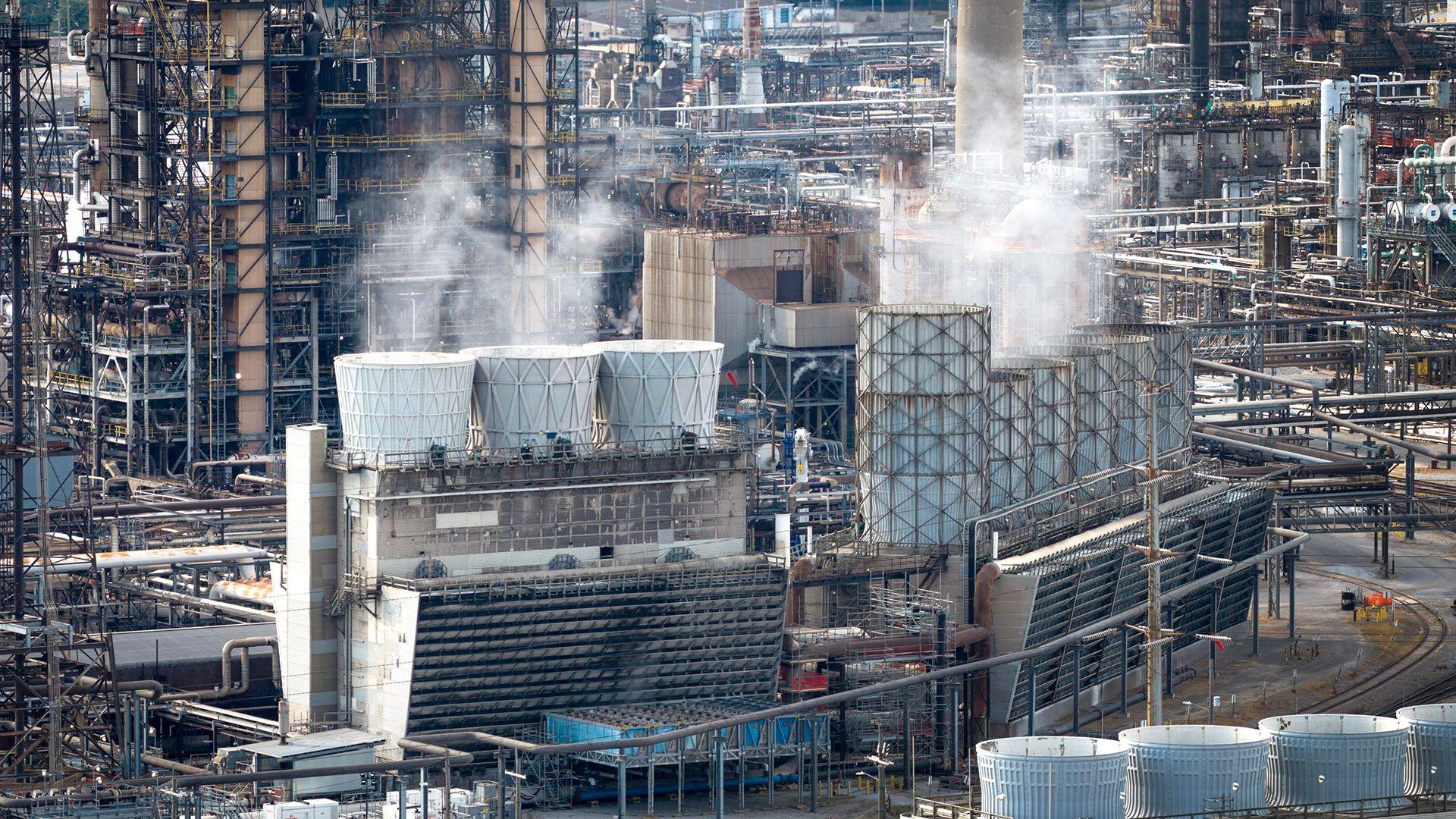
Beyond the immediate military implications, the conflict threatens environmental stability in a region already under pressure. The Strait of Hormuz is a critical artery for global oil transport; any disruption or oil spill could damage marine ecosystems, impact fisheries, and increase greenhouse gas emissions from damaged vessels. Furthermore, the frequent launches of missiles and drones contribute to atmospheric pollution, while escalating tensions may delay international cooperation on climate‑friendly energy transitions in the Middle East.
With the U.S. conducting steady nightly strikes and Iran’s reported counter‑actions, the Gulf faces a heightened risk of ecological fallout. This escalation underscores the interconnectedness of geopolitical stability, energy security, and environmental stewardship in shaping a sustainable future for the region and the global climate system.