
In brief
The World Health Organization reports significant global health disruptions caused by the freeze on funding from the United States Agency for International Development (USAID), particularly in programs addressing HIV, polio, and other critical health issues.
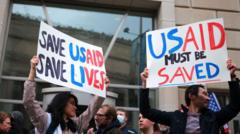
The World Health Organization (WHO) has reported that the suspension of aid funding from the United States is considerably affecting health services in 50 countries, as announced by WHO Director-General Dr. Tedros Adhanom Ghebreyesus. This significant disruption stems from a strategic halt to the United States Agency for International Development (USAID) programs, which has been criticized by President Donald Trump as "incompetent and corrupt."Dr. Tedros highlighted at a press conference in Geneva that this aid freeze has led to the cessation of vital HIV treatment, prevention services, and the shutting down of clinics. "Health workers have been put on leave, resulting in an alarming decline in service availability," he warned. The PEPFAR initiative, set up to combat AIDS, has experienced particularly severe disruptions, threatening the health of millions.Experts in global health have cautioned that the aid cut is not only detrimental to ongoing health initiatives but also poses a substantial risk to vaccine developments and new treatment protocols. "There is a grave concern about the potential for new outbreaks of disease as a result of these funding cuts," Dr. Tedros stated, urging the Trump administration to reconsider its budgetary decisions while alternative solutions are sought.Moreover, the WHO reported that the United States’ withdrawal from the organization has hindered international collaboration in addressing pressing health challenges, including the tracking of bird flu cases. As an emergency response, the WHO is employing protocols similar to those managed during the COVID-19 pandemic to ensure the continued availability of life-saving antiretroviral medications for HIV treatment. However, officials acknowledge that the current measures are only temporary and that a more sustainable solution is essential.Meg Doherty, WHO's director of global HIV programs, reinforced this sentiment, stating, "While we are working to coordinate the sharing of medicines, what we truly need is a long-term resolution to this crisis.” The ripple effect of the USAID freeze thus continues to present urgent challenges for global health administrators and the vulnerable populations dependent on these programs for their survival.

