In brief
Istanbul’s courts convicted popular comedian Deniz Göktaş for insulting President Recep Tayyip Erdoğan, sentencing him to 18.5 months. He was released after nearly 90 days in solitary confinement, with a travel ban still in place. The verdict follows a wave of arrests that human rights groups say stifles political dissent. Göktaş’s case underscores Turkey’s restrictive climate for free speech and the broader impact on civil liberties.
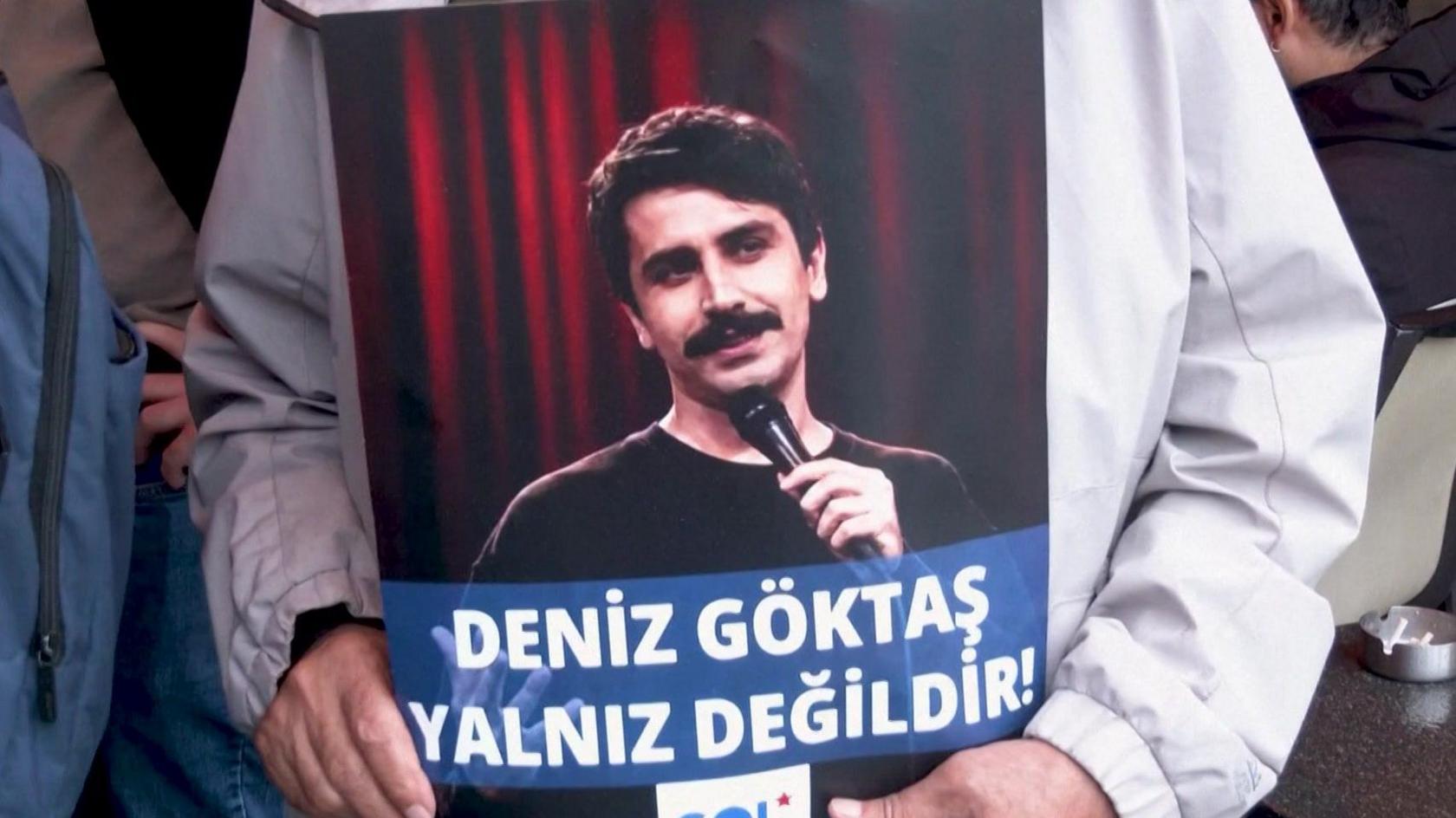
Istanbul court has convicted a popular comedian of insulting President Recep Tayyip Erdoğan – and handed down a sentence of almost 19 months – but ordered his release due to time served.
Deniz Göktaş has spent nearly 90 days in pre‑trial detention after prosecutors demanded up to 12 years for what they say is a “shy dictator” remark. He was handcuffed upon return from a holiday at Istanbul airport in July.
“Three months have been taken away from my life, but I quit smoking, so I’ll add another three months,” Göktaş joked during the hearing, drawing laughter and applause. He was released at 21:45 local time, greeted by family outside a prison facility while a travel ban remained in force.
Supporters, including fellow comedian Firat Aksal, celebrated the verdict, which many saw as a rare victory for free speech in a country where journalists, activists, and even the elected Mayor of Istanbul, Ekrem Imamoglu, are jailed.
Göktaş said, “There are thousands of other people in prisons across Turkey. Some are held in pre‑trial detention, while others have been convicted because of their views.” He added, “I hope one day everyone can regain their freedom together.”
The case raises concerns about Turkey’s judiciary independence, as the ruling party insists that arrests are not politically motivated. However, human rights groups point to a broader strategy of suppressing dissent, which also affects the ability of climate activists and other civil society actors to operate freely.