Trump Threatens Tariffs as Canadian Wildfires Cast Smoke Over U.S. Cities
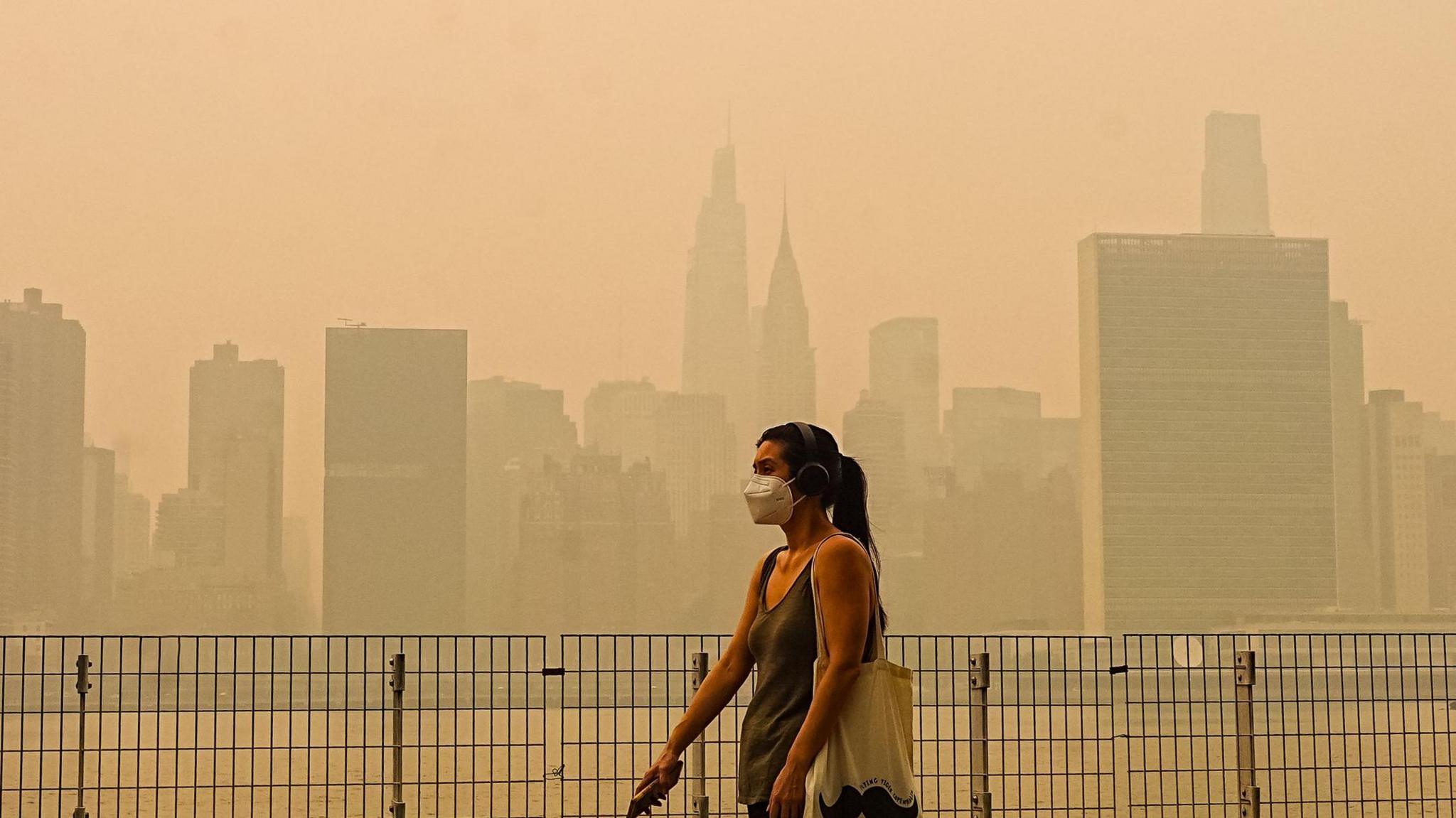
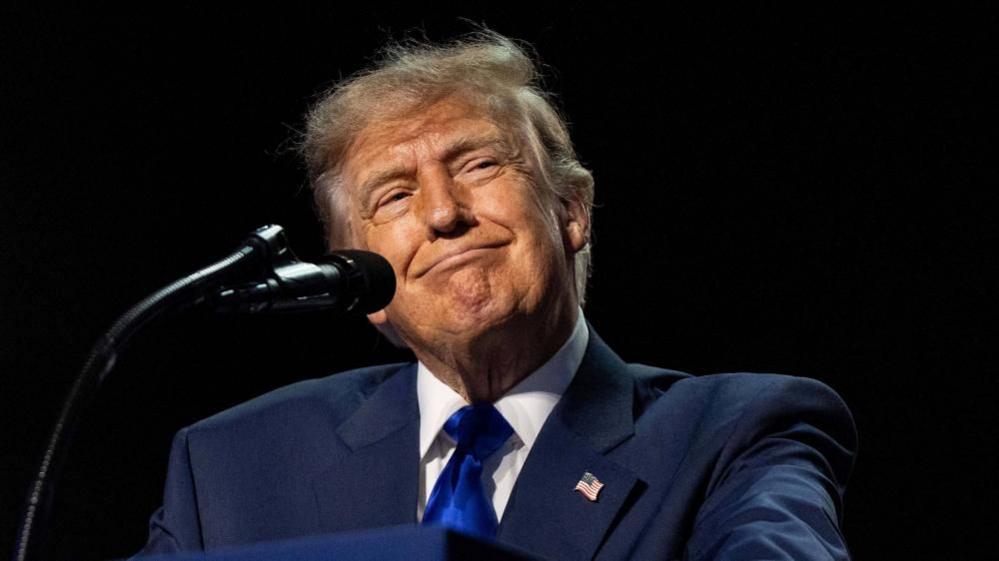
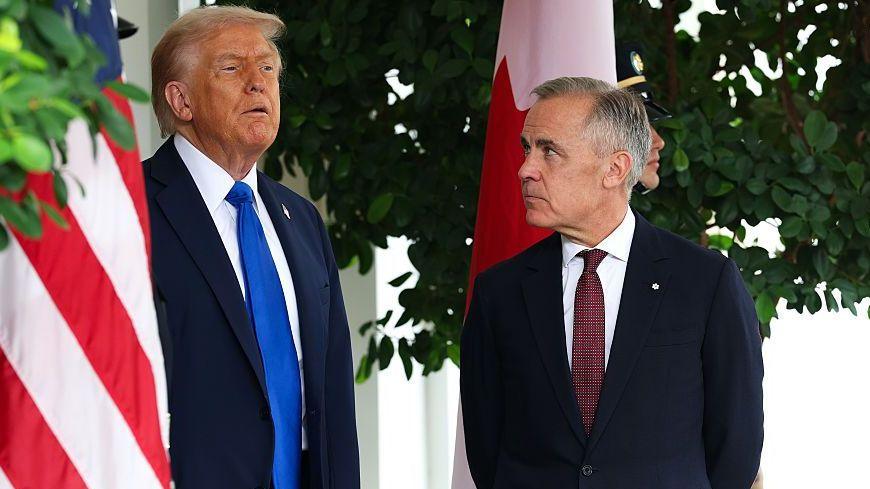
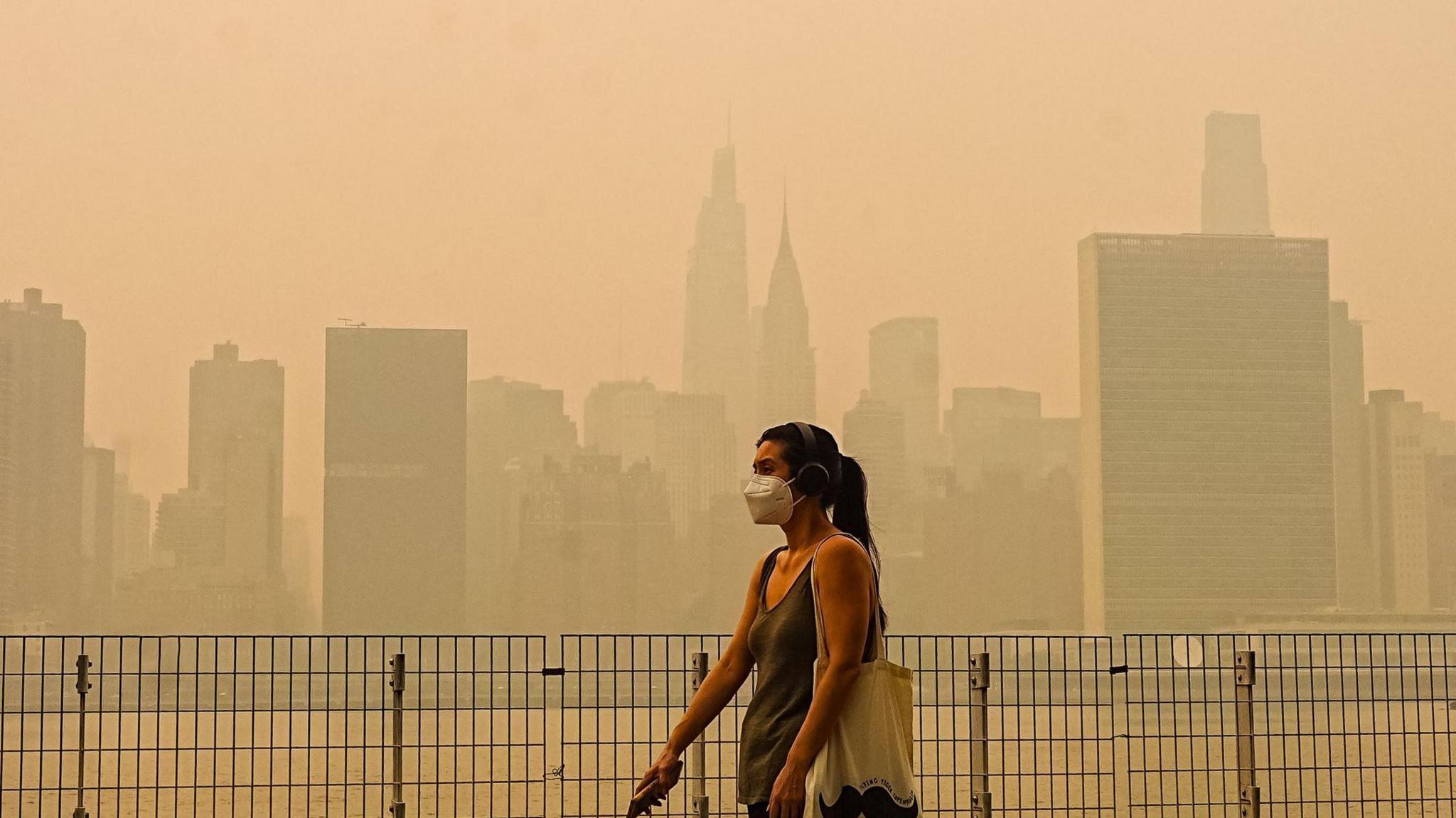
The swath of smoke that has moved northeast across Canada’s wildland fires is blurring the skyline of New York City, Detroit and near‑abundant suburbs. President Donald Trump has used the haze as a pretext to warn Canada that the U.S. will impose new import duties if the fire‑spewing nation does not show better stewardship of its forests.
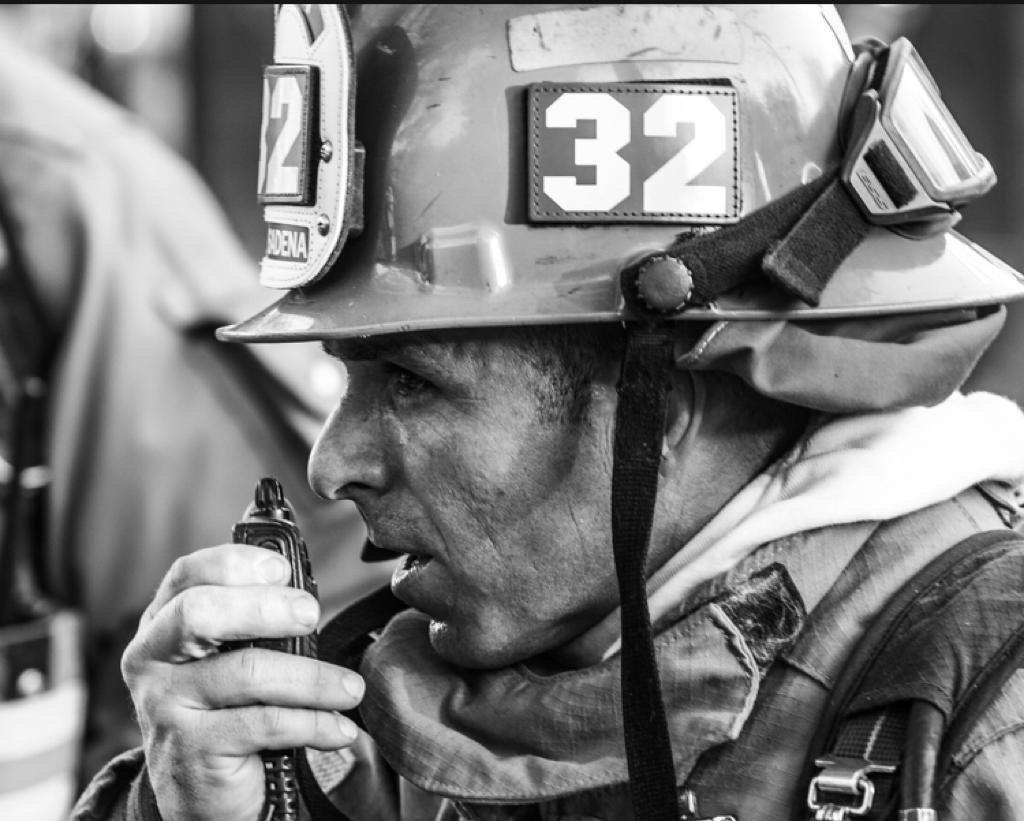
Since early July, Canadian Wildland Fire Information System reports follow 955 active blazes, more than a third of which are out of control. Ontario alone has recorded 190 such fires, and authorities say the pattern of conditions – hot temperatures, low rainfall and lightning strikes – is typical of a warming world.
The smoke has triggered air‑quality alerts across the U.S., turning familiar city landmarks into hazy silhouettes. In Detroit, air‑quality trackers recorded the worst index in the world, followed by Chicago, Washington, D.C. and New York. Many cities have asked residents to stay indoors and are issuing masks; outdoor music venues and sporting events have been postponed.
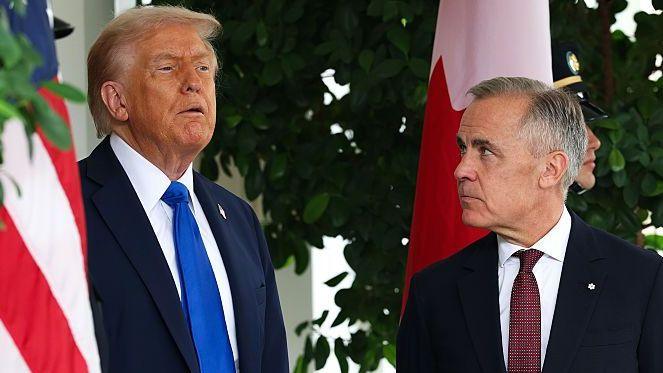
In response, Canadian officials cite a decade‑old reciprocity agreement for fire‑fighting support and say the 2025 G7 summit reinforced that joint action is required for climate. Mark Carney, then Prime Minister, emphasized that both nations share responsibility, while Premier Doug Ford has criticized the U.S. rhetoric as ‘shameful’ and called for the sharing of firefighting resources instead of trade barriers.
Despite the ministers’ defense, the U.S. lawmakers see the crisis as a diplomatic tug‑of‑war. They have demanded a concrete plan from Canada to control and throttle wildfires, citing past under‑investment in fuel reduction and arson enforcement. The debate pits trade concerns against the urgent need for cooperative environmental stewardship.
The episode underscores how climate‑driven disasters do not stay bounded by borders. It reminds policymakers that the solution is not to halt cross‑border trade but to strengthen shared fire‑management, forest‑care and climate‑adaptation investments. At the same time, the international community must recognize that the cost of delayed action eclipses short‑term gains.