Trump Media Launches Premium Content Service
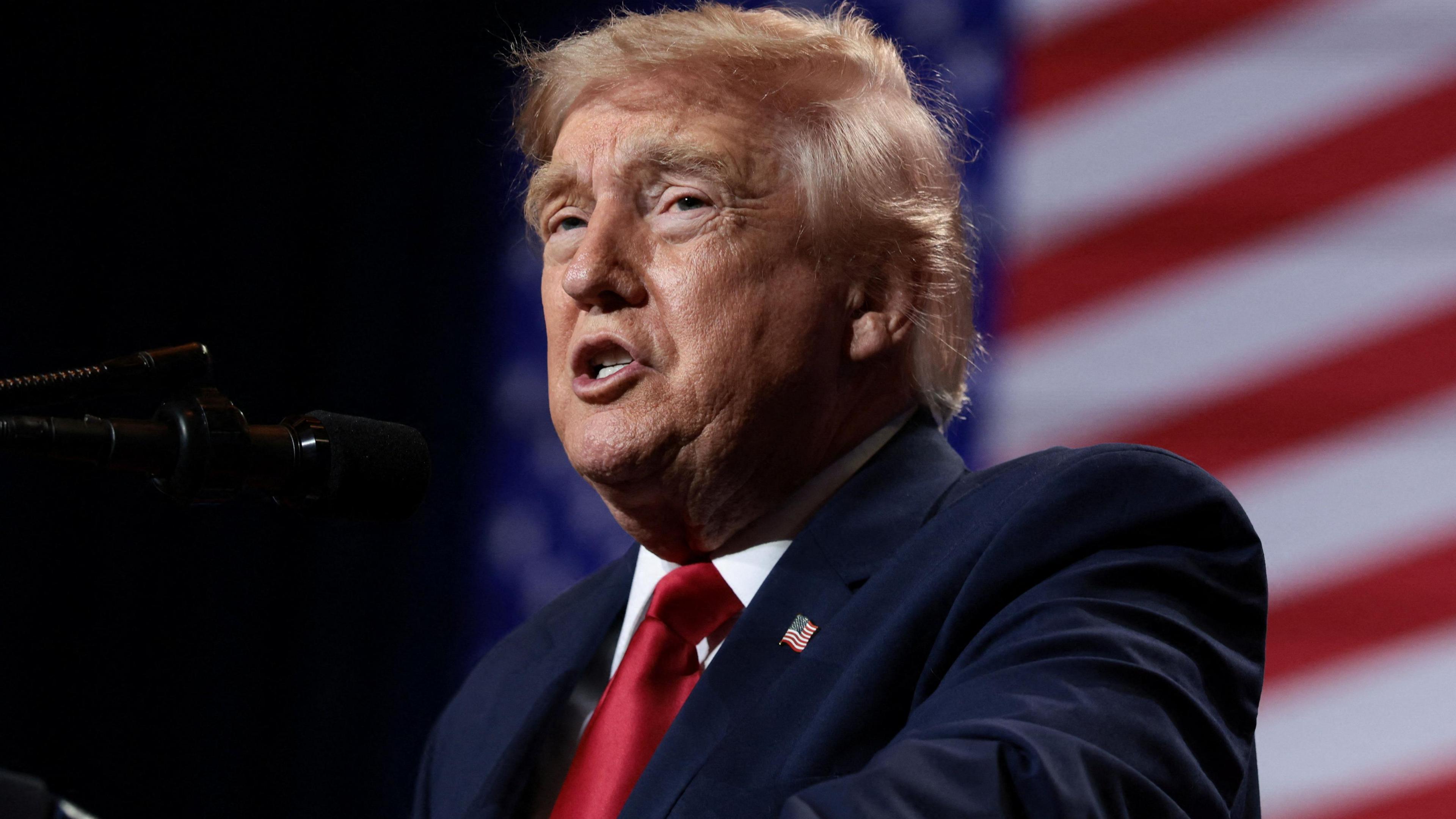
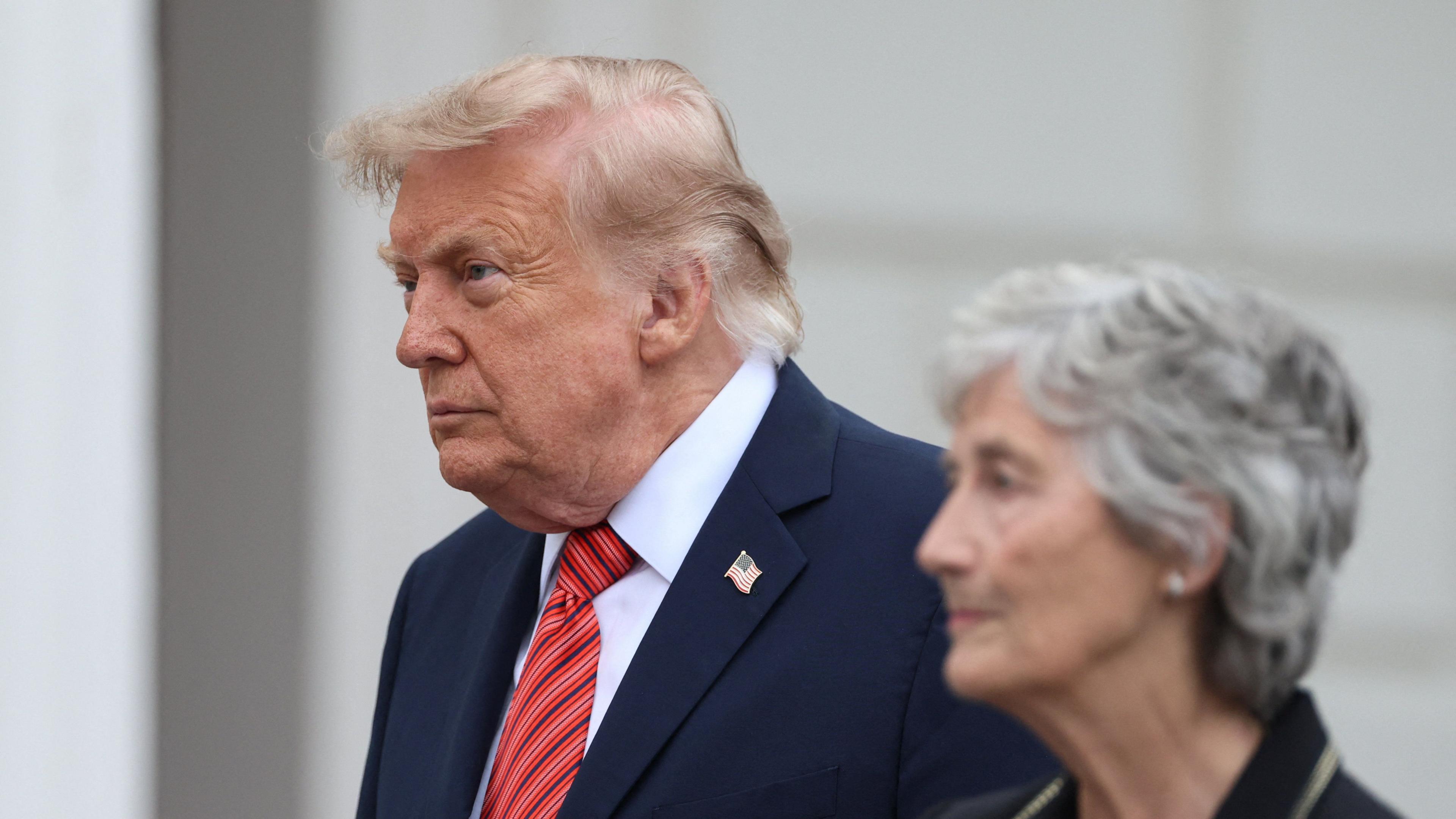
The company behind Donald Trump's 2024 election platform has announced a paid service that grants subscribers instant view of posts from its most influential accounts. The feature, positioned as a way to keep followers ahead of the crowd, costs up to one hundred thousand dollars a month. A lower tier sits at sixty thousand dollars. It is unclear whether the service includes the president’s account, though the platform hosts more than thirteen million followers for that profile alone.
Industry experts view the launch as part of a larger wave of monetized social‑media content. Subscribers pay for the advantage of staying current before the general public. The business model fuels a “content‑currency” economy where engagement, brand loyalty and potential political influence generate revenue streams that can outpace conventional news‑funding mechanisms.
The question that follows is what this pursuit of high‑priced exclusivity means for climate reporting. In an era when public perception is shaped by rapid, mainstream sharing of scientific findings, a system that prioritises brand‑driven advertising may dilute the reach of credible, evidence‑based stories that help communities adapt to a changing climate.
Another concern is the potential spread of misinformation amplified by these paid windows. The environmental sector has repeatedly highlighted the dangers of false claims that undermine policy implementation and delay restoration efforts. Investing heavily in a subscription that can slide questionable narratives into the “first‑look” space risks eroding trust in peer‑reviewed data and public understanding of issues like carbon budgets and renewable energy transition.
Consumers and regulators will likely examine whether the service complies with free‑speech and data‑privacy laws. Even if legal, the practice underscores the balance media businesses must strike between profitability and responsibility—an equilibrium that is critical for sustaining accurate climate communication on a global stage.
For the echosphere, the lesson remains clear: media platforms that wield powerful pockets of influence must guard against timing advantages that create a dissemination gap. Ensuring that climate data remains accessible, unfiltered and true is a necessity for informed decision‑making that protects ecosystems, economies and societies worldwide.