Eleven people died after a civilian aircraft carrying skydivers crashed near Tomblaine, eastern France.
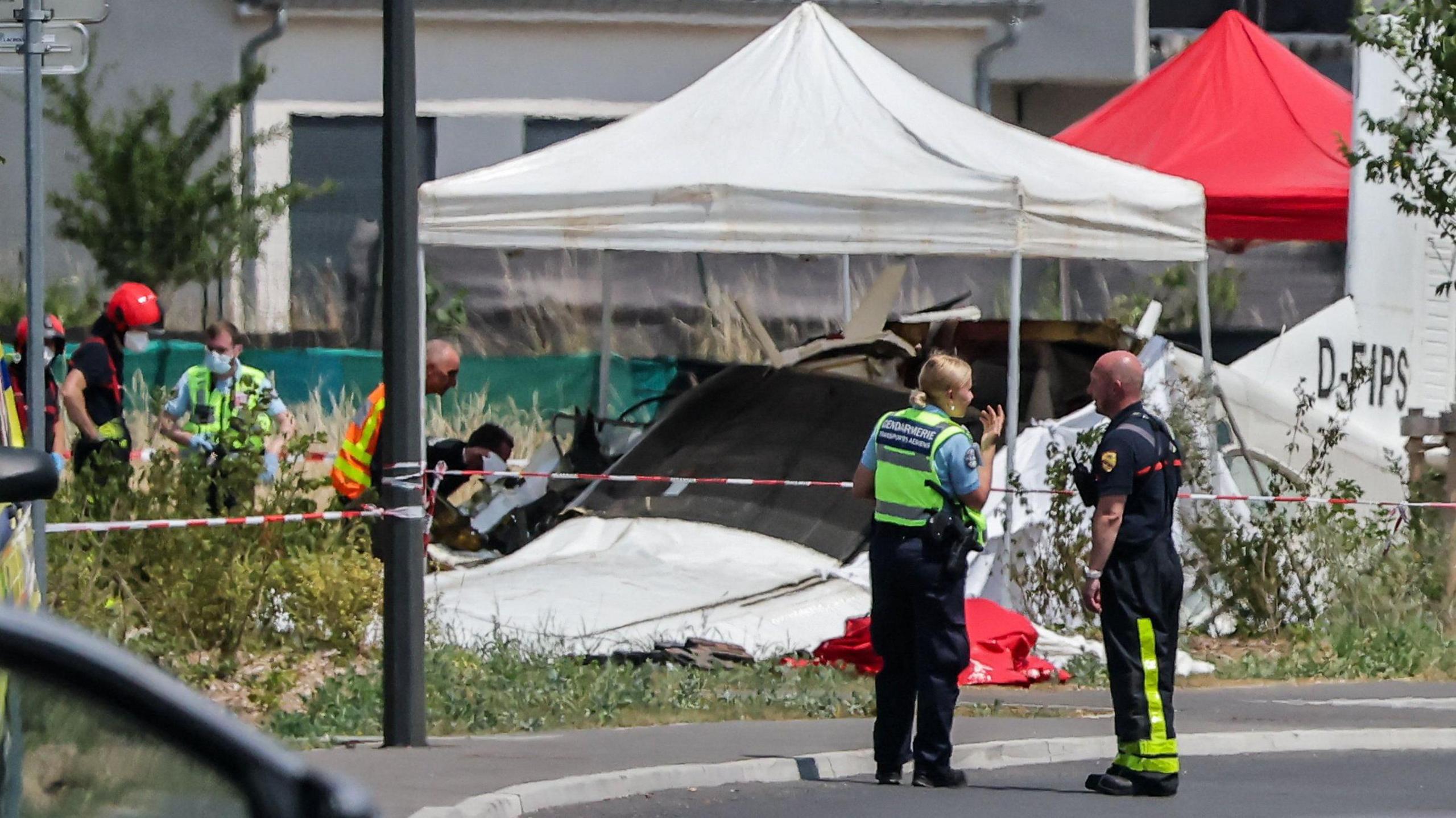
The flight, operated by a local parachuting school, consisted of a pilot and ten passengers, including five instructors and five first-time skydivers. All perished instantly when the light aircraft, departing from Nancy-Essey airfield, suddenly crashed at 11:00 local time, approximately 10:00 BST. The impact near the airfield’s edge narrowly missed a residential area and a shopping centre, sparing nearby structures from collateral damage.
French authorities responded swiftly: Interior Minister Laurent Nuñez announced an investigation by the Paris prosecutor’s office, while a prefect of Meurthe‑et‑Moselle highlighted the emotional toll on witnesses who saw the incident live.
Medical and psychological support teams arrived to assist grieving relatives and witnesses. A local mayor described the tragedy as “in full view of loved ones,” and the department’s president stressed the considerable psychological trauma suffered by families.
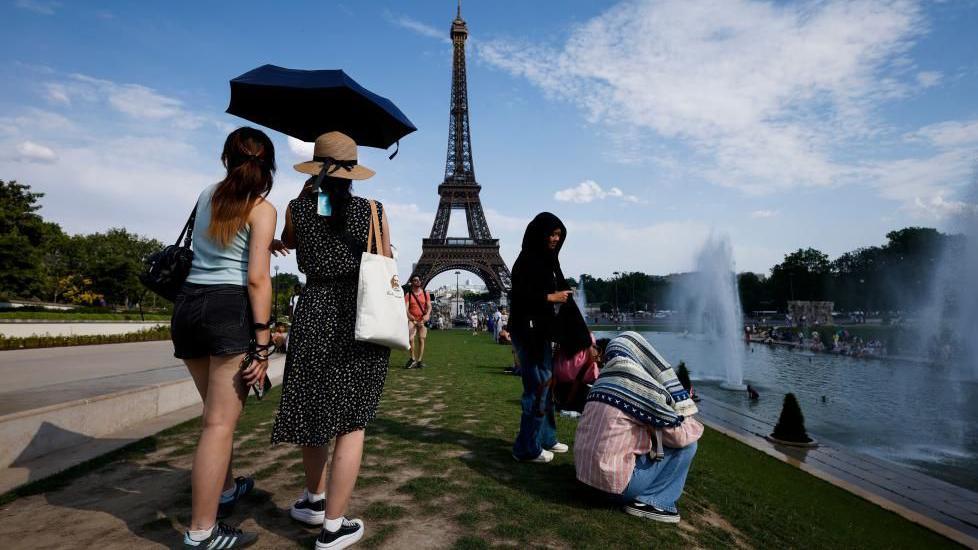
The crash came amid a searing heatwave that has swept Europe, with an amber warning for high temperatures issued in Meurthe‑et‑Moselle the day before. While investigators have yet to confirm weather as a factor, officials have not ruled it out. Heat stress can affect aircraft performance, pilot decision‑making, and the speed of emergency response at crash sites.
Experts warn that light aircraft operating in high‑temperature conditions may experience reduced engine power, increased fuel consumption, and more demanding take‑off distances. The incident underscores the need for reinforced safety protocols, including rigorous pre‑flight checks and enhanced training for pilots and crew in extreme environmental conditions.
The massacre stands as the deadliest private plane accident in French history, excluding commercial and military flights, according to the Bureau d’Etudes d’Aviation e2d. As France faces recurring heatwaves linked to climate change, this tragedy spotlights the urgency of adapting aviation safety to a warming world.