
In brief
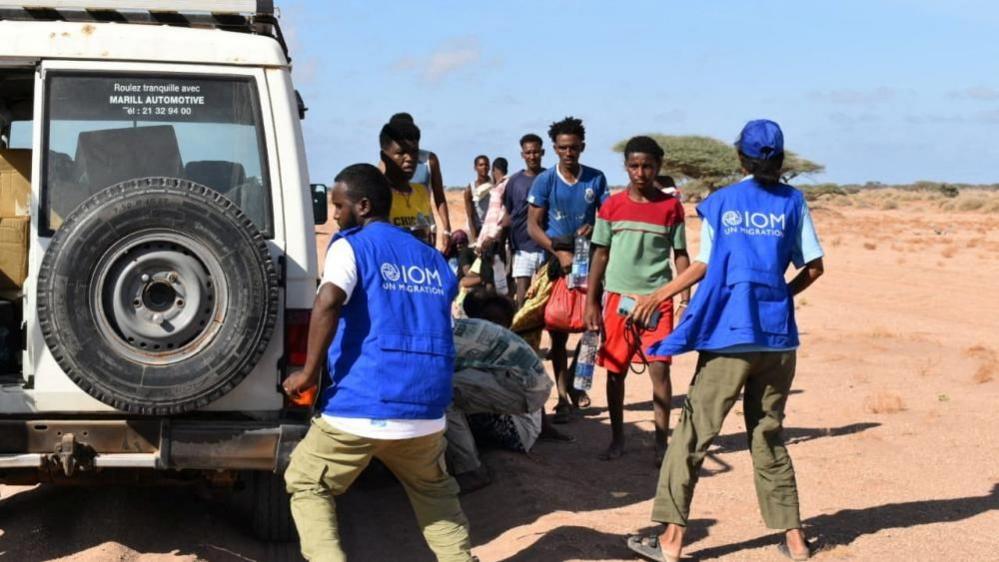
On 11 October, a boat carrying 305 migrants from Djibouti to Yemen capsized near Obock, claiming 139 lives – 15 of them children – and leaving many missing. The incident follows a pattern of hazardous crossings driven by severe drought, flooding, and chronic displacement in the Horn of Africa. International agencies, including the IOM, are providing rescue and medical support to survivors while calling for better maritime safety protocols and climate‑resilient livelihoods for source communities. This tragedy underscores the urgent need to address the root causes of climate‑induced migration and to invest in safe, regulated pathways for those fleeing environmental and humanitarian crises.
On the night of 10 October, a small boat carrying 305 migrants from Djibouti to Yemen lurched, capsized off the coast of Obock, and turned a routine journey into a catastrophe that has claimed 139 lives – including 15 children – and left dozens still missing.
The International Organization for Migration (IOM) reported that only 82 people were rescued, while the rest of the cargo – largely Ethiopian nationals – sank in rough, featureless waters. The United Nations’ UNHCR underscored the tragedy as a stark reminder of the perilous routes that displaced people are forced to take in search of safety and sustenance.
Such crossings have surged in recent years, with climate change acting as a key driver. In the Horn of Africa, prolonged droughts, erratic rainfall, and sea‑level rise have devastated agriculture, reduced fish stocks and eroded coastal infrastructure, forcing thousands to leave their homes. Yemen, still embroiled in a civil war, remains an economic and humanitarian sinkhole, where desperate families cross the Bab el‑Mandeb Strait daily despite rising ocean temperatures, stronger currents, and hazardous currents—factors worsened by global warming.
The IOM’s tracking system logged over 20,000 movements from Ethiopia to Djibouti since September, and last year alone there were more than 900 deaths and missing persons on the same route, an 18% jump from 2024. This grim statistic shows a worrying trend that intersects climate instability, conflict and governance gaps.
In response, the IOM Djibouti mission, led by Alexandre Coissac, is providing on‑site medical care, counselling and attempts to reconnect families with the survivors. Local authorities are coordinating burials and ensuring basic humanitarian needs are met. Meanwhile, international partners are exploring ways to reduce maritime risk: from early‑warning systems and maritime patrols to community‑based skill building for sustainable fishing and coastal management.
On a policy level, there is a pressing call for a coordinated global effort to design safer, regulated routes for refugees and migrants, coupled with investment in climate adaptation in source communities. Projects such as marine renewable energy hubs, climate‑resilient infrastructure and ecosystem restoration could reduce dependency on risky sea passages and support local economies.
While the human loss is unimaginable, the incident shines a spotlight on the intersection where climate science, humanitarian action, and sustainable development collide. Strengthening resilience in the Horn of Africa and ensuring safe passage for those uprooted by climate and conflict is not only a moral imperative but also a strategic necessity for a more stable and equitable world.
